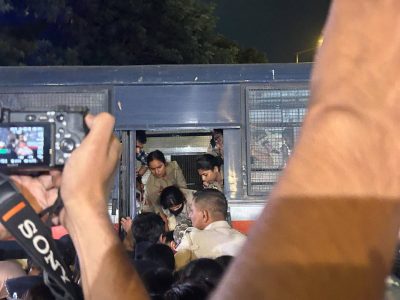
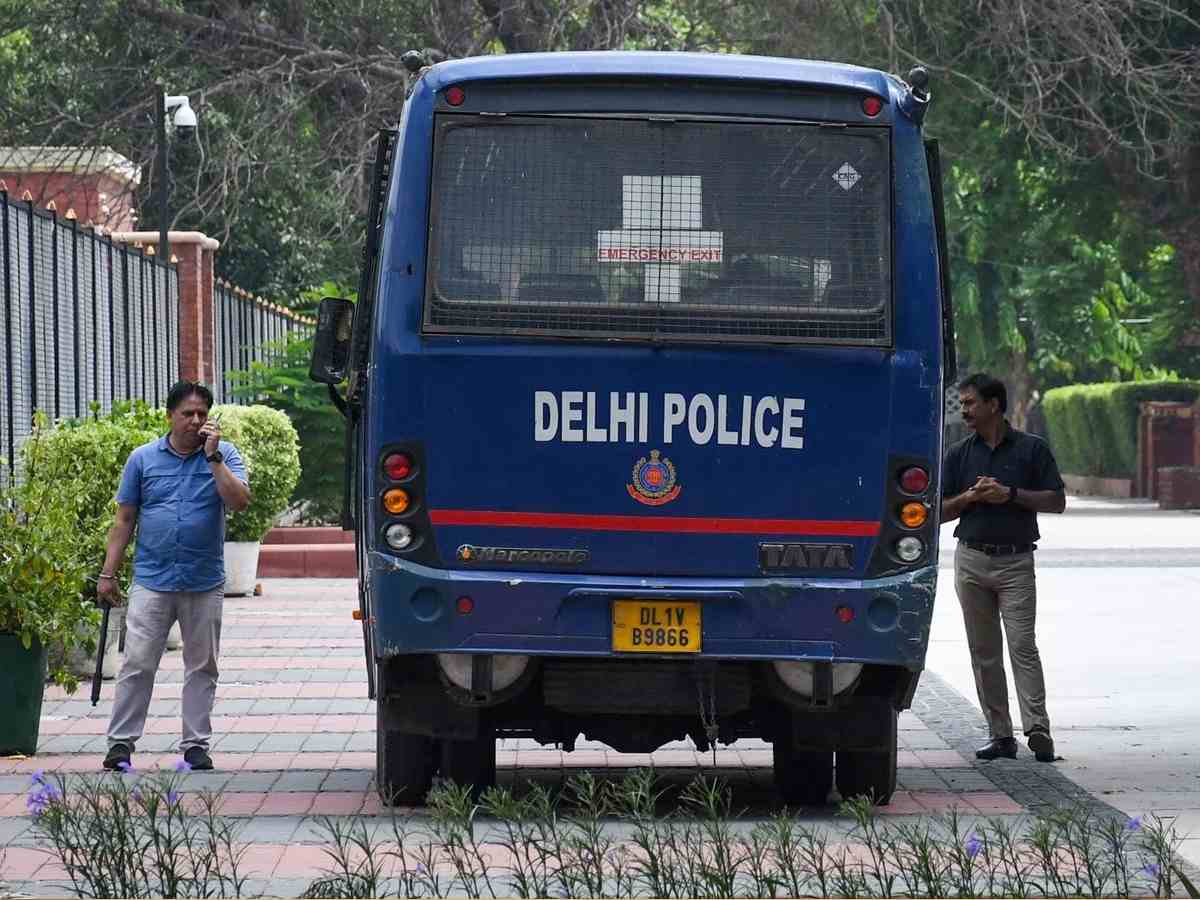
Around 50 schools in the national capital received bomb threats on Wednesday through e-mail, prompting police and other emergency agencies to launch a search operation, officials said.
Police sources have said that around 50 schools have received bomb threats in the capital. These include Rahul Model School and Maxfort School in Dwarka and SKV in Malviya Nagar and Andhra School in Prasad Nagar.
According to the Delhi Fire Services, information regarding bomb threats at two schools — SKV in Malviya Nagar and Andhra School in Prasad Nagar — was received at 7.40 am and 7.42 am, respectively.
Police teams, along with fire personnel and bomb disposal squads, rushed to the premises immediately, officials said.
The fresh threat comes just two days after 32 schools across the city received similar threats on August 18, which later turned out to be hoaxes.
Read More
Bill on school fee regulation leaves parents exposed to exploitation
When the Delhi Assembly passed the Delhi School Education (Transparency in Fixation and Regulation of Fees) Bill, 2025, it was hailed as a landmark reform — a supposed victory for parents long weary of arbitrary private school fee hikes. But beneath the rhetoric of transparency and parental empowerment lies a troubling reality: the legislation contains gaps that may give private schools greater legal cover to escalate charges.
After examining the bill closely, experts told Patriot several flaws in the bill leave parents vulnerable to unjustified demands. For thousands of families across the Capital who had pinned their hopes on this law, the fine print tells a different story — one in which “reform” could simply replace one set of vulnerabilities with another.
The sales pitch and the reality
Speaking in the Assembly, Delhi Education Minister Ashish Sood described the bill as “the most democratic bill ever introduced” on school fee regulation. He claimed it “empowers parents to actively participate in the decision-making process” and “ensures transparency while safeguarding families from unjustified fee hikes.”
It was a powerful pitch — the kind that draws applause and headlines. But parents’ associations and education policy experts argue that this is where the trap begins: well-crafted promises masking structural weaknesses.
They contend that the bill is less a protective shield for parents and more a blueprint that private schools can exploit. In its review, Patriot found multiple provisions that either skirt core accountability issues or create new avenues for fee hikes.