In a push for groundwater conservation, the Delhi government is working on a policy for use of treated sewage water in construction works and irrigation of parks, officials said on Friday.
Water from sewage treatment plants (STPs) operated by the Delhi Jal Board (DJB) and Delhi Development Authority (DDA) is already used extensively for horticulture purposes.
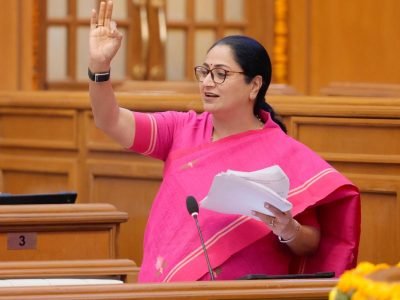
Delhi Public Works and Water Minister Parvesh Sahib Singh said a policy is being framed by the DJB for ensuring that large quantity of treated water from STPs could be utilised in activities where use of potable water is unnecessary.
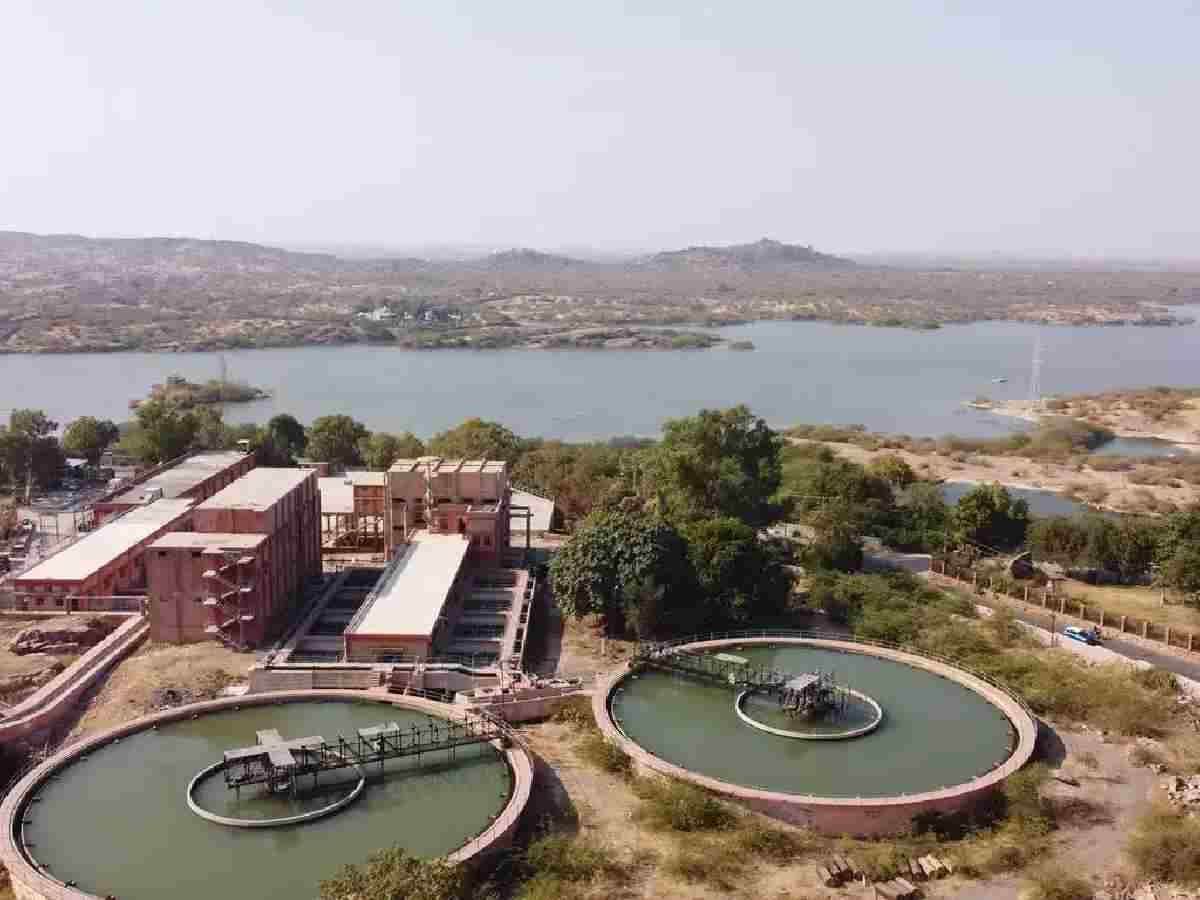
The DJB is actively promoting use of treated effluent and around 89 million gallons per day (MGD) is supplied for non-potable purposes to various agencies such as Central Public Works Department (CPWD), DDA, New Delhi Municipal Council (NDMC) and Municipal Corporation of Delhi (MCD).
However, for greater use of treated wastewater, specially in government construction works and irrigation of parks, the Delhi government is now mulling a policy. Other applications, such as its use in firefighting will also be explored, officials said.
Treated water from STPs is likely to be used first in construction activities undertaken by government agencies. Later, the possibility of supplying it to private firms at affordable charges, can also be explored, they added.
Technical aspects of using treated water in construction activities will also have to be looked into as the Bureau of Indian Standards has set guidelines in this regard.
Water with pH level between 6 and 8.5, and total dissolved solids (TDS) not exceeding 2,000 parts per million (ppm), is considered qualitatively good for construction purposes.
Poor quality water can damage iron and concrete and lower construction quality, officials said.
Also, parks maintained by various government agencies and resident welfare associations (RWAs) can be supplied treated water through pipelines from STPs. Small decentralised STPs could also be set up near parks to treat local domestic sewage water and use it for horticulture purposes, they said.
A 2024 report by the Central Ground Water Board shows that Delhi is extracting more groundwater than it recharges. Out of the 34 assessed tehsils in Delhi, 14 have been identified as ‘over-exploited’, 13 as ‘critical’, two as ‘semi-critical’, and only five as ‘safe’.
Safe reuse of treated water (SRTW) is emerging as a national priority with pressure rising on freshwater sources due to increase in population.
The SRTW framework is being institutionalised across states and cities for purpose of sustainable development.
Already, Uttarakhand government has notified its SRTW policy for reuse of treated wastewater. The policy promotes the use of treated water for non-potable purposes such as industrial processes, construction activities, irrigation of parks, green spaces, flushing, sprinkling and other urban uses.
Officials said currently, Delhi’s STPs generate about 530 million gallons per day (MGD) of treated water, of which, only around 105 MGD is used, mainly for roadside gardening, green areas, and lake restoration.
The Delhi Jal Board has approved a Rs 90-crore project to transport treated water from sewage treatment plants for horticultural purposes across the capital.