
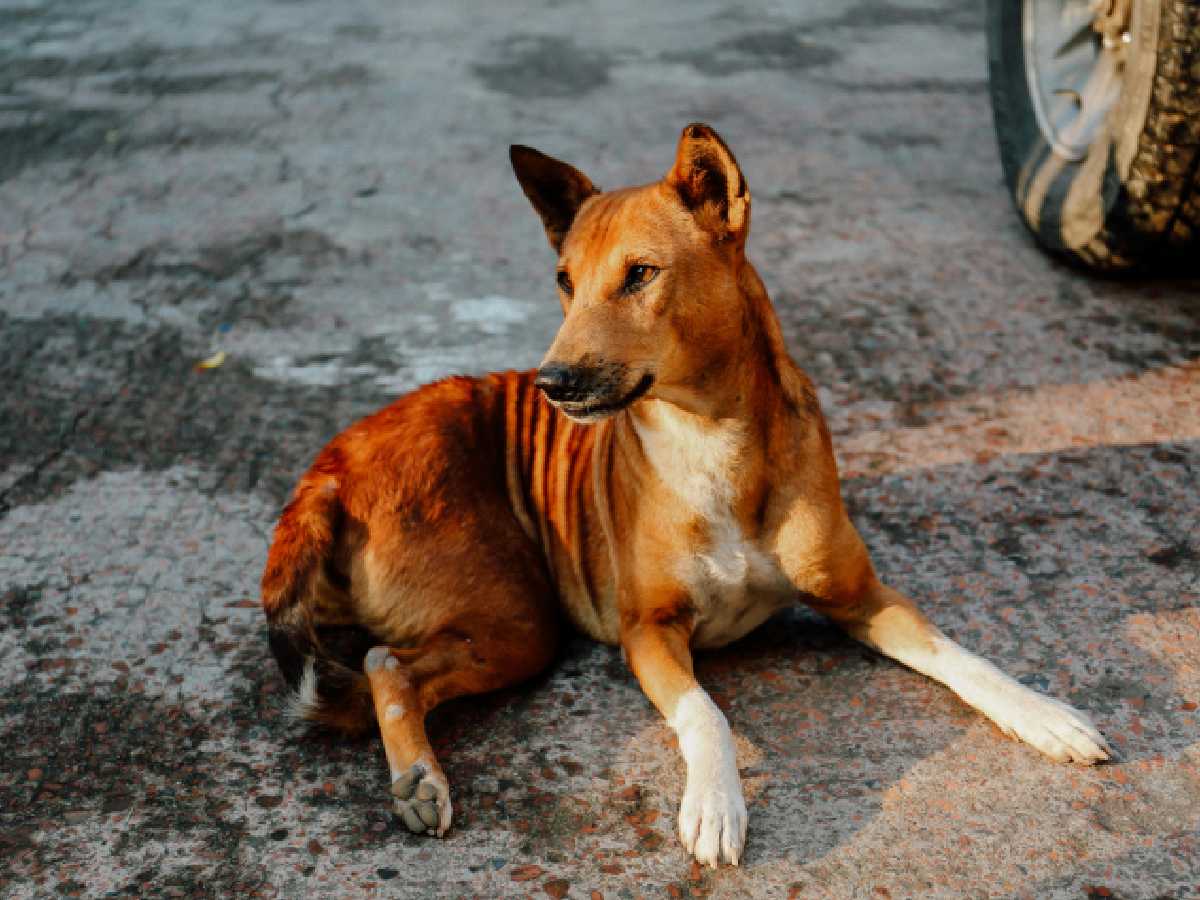
After weeks of uncertainty, the Supreme Court has allowed stray dogs to be released back to their original locations after sterilisation. The ruling has brought relief to the owners of Animal Birth Control (ABC) centres, who welcomed the decision but underlined the urgent need for a stronger system to accelerate sterilisation and vaccination in Delhi.
A daunting timeline
At present, more than one million stray dogs roam the streets of the national capital. Yet Delhi has only 20 ABC centres, of which just 13 are functional. Collectively, these centres can sterilise no more than 3,900 dogs each month. At this pace, it would take at least 21 years—roughly 256 months—to sterilise the city’s estimated stray population.
Under the Animal Birth Control (ABC) Rules, 2023, only those centres recognised by the Animal Welfare Board of India (AWBI) are authorised to carry out sterilisation and vaccination. Almost every functioning centre in Delhi, however, is already stretched far beyond its capacity.
Struggles on the ground
The challenges are evident. Ayesha Christina Benn, who runs the Timarpur ABC centre, says that implementing the Supreme Court’s order in its true spirit requires urgent intervention. She stresses that the authorities must equip centres with better infrastructure, advanced technology, and a steady flow of funds to make the sterilisation programme effective.
“Timely reimbursement of funds and provision of equipment will make a huge difference,” Benn explains, adding that most centres are struggling with even basic facilities.
Infrastructure gaps
Delhi’s 13 active centres are poorly equipped to handle large-scale sterilisation drives. On average, each centre can sterilise just 300 dogs a month—far from sufficient for a city of this size. Experts argue that at least 15 to 20 additional well-equipped centres are needed to bring the programme up to speed.
Deepak Nagar, a staff member at the Timarpur centre and also an artist, emphasises the urgency of scaling up. “If sterilisation is not carried out in a timely manner, the stray population will increase drastically,” he warns.
Kennels present another challenge. Most centres can house only 150 to 180 dogs at a time, leading to overcrowding and poor conditions.
Dependence on NGOs
ABC centres are largely run by NGOs in collaboration with the Municipal Corporation of Delhi (MCD). Yet many complain of inadequate support. Owners say they are forced to depend on crowdfunding to cover expenses because civic bodies fail to provide sufficient financial backing.
“Even salaries of the staff have to be managed through donations,” Benn explains. She adds that the official dog-catching van supplied by the MCD broke down long ago, forcing her team to raise funds privately to buy a new one.
Experts insist that for the programme to succeed, centres must be equipped with modern facilities: vaccination equipment, functional vans, geo-tagging chips, and upgraded kennels. Benn stresses that the authorities must release funds promptly to ensure smooth operations. Without financial and infrastructural support, she says, centres are left scrambling for resources, making it nearly impossible to meet sterilisation targets.
Geotagging as a solution
Among proposed measures, geotagging of stray dogs has emerged as a vital tool. It involves attaching a digital identity to each dog, allowing officials to track whether it has been sterilised, vaccinated, and where it was released.
Also Read: Shortage of veterinary doctors hampers Delhi’s stray dog crisis
According to ABC officials, this practice not only streamlines record-keeping but also reduces dog-bite cases. When dogs are released back to their original locations, they are less likely to behave aggressively. Relocation to unfamiliar areas often causes stress and insecurity, increasing the risk of attacks.
“With geotagging, we can easily locate sterilised or vaccinated dogs and track their past treatments,” Nagar explains.
However, NGOs again face the burden of sourcing chips through private funding. The municipal corporation has only announced plans for geotagging but has yet to provide the necessary technology or materials.
MCD steps in
Soon after the Supreme Court’s revised order, the MCD held a high-level meeting chaired by standing committee chairperson Satya Sharma. The meeting reviewed the situation and discussed steps taken so far as well as future action plans.
Also Read: Delhi: Court order leaves stray dog programme in turmoil
Referring to the court’s ban on feeding dogs at public places, Sharma directed officials to identify suitable feeding zones. She instructed them to immediately prepare a concrete action plan for large-scale sterilisation, as well as arrangements to keep aggressive and rabies-infected dogs in shelter homes.
She also urged officials to establish coordination with animal lovers and NGOs for the care and rehabilitation of dogs.
Sharma said the action plan must be implemented in a time-bound manner so that the Supreme Court’s orders are strictly complied with, while ensuring both public safety and animal welfare. She added that the civic body’s goal is not only to control the dog population but to adopt a holistic approach that balances animal welfare with public health.