DUSU polls: As the Delhi University Students’ Union (DUSU) election approaches on September 8, students say they feel let down by political outfits, claiming that last year’s promises remain unfulfilled.
Many point to dilapidated classrooms that have not been revamped since the inception of their colleges, as well as continuing concerns over women’s safety. Promises of concessions on metro fares and free bus services are also seen as unkept.
Students acknowledge that a free e-rickshaw service was introduced, but argue that the number of vehicles is too few to meet their needs.
‘A show of power’
Several students described the DUSU elections as little more than “a show of power,” alleging that candidates rarely deliver on promises once elected. Instead, the campus becomes dominated by rallies, slogans, and displays of strength.
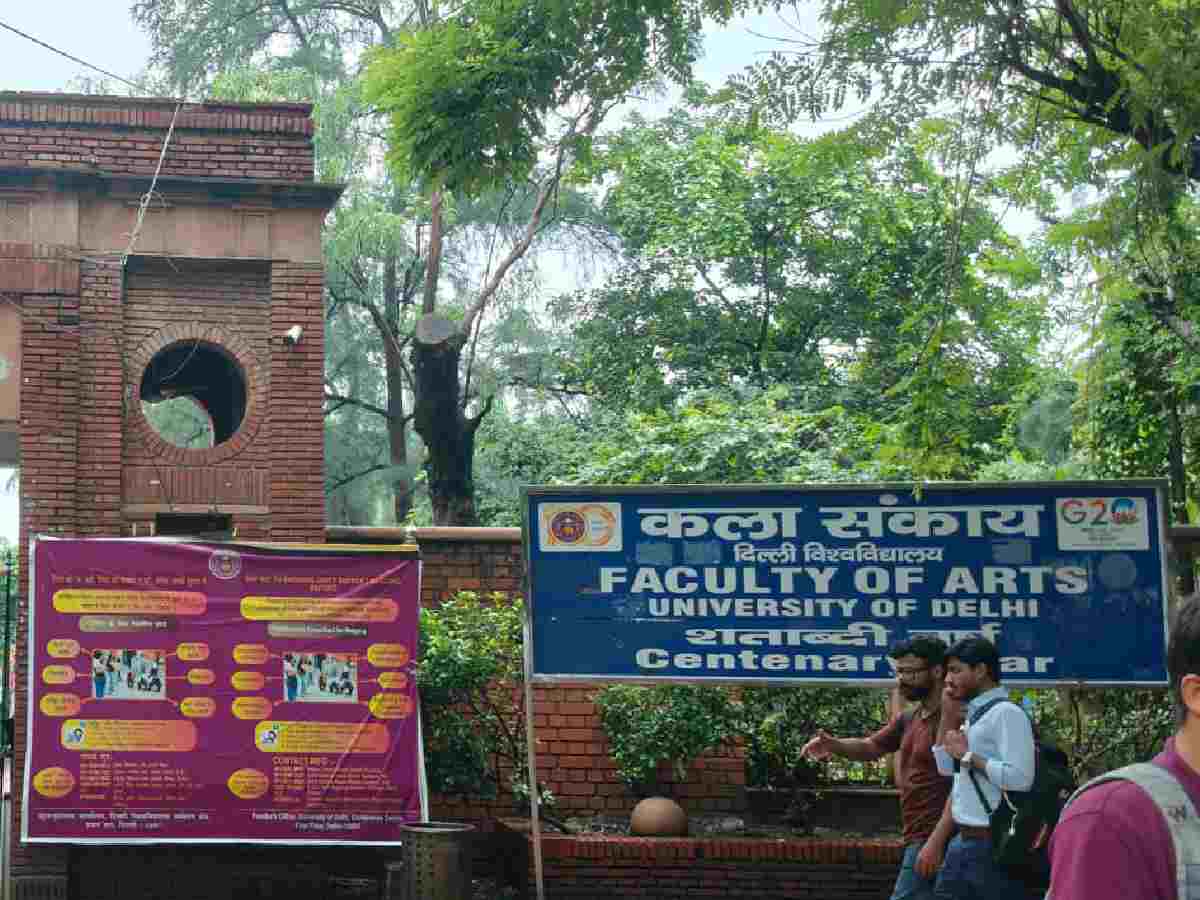
Speaking to Patriot, Abhay, a second-year student of Kirori Mal College, said, “Nothing has changed on ground for the students since the last elections as they still face hardships in commuting to college every day.”
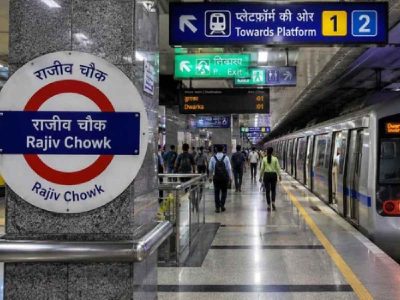
He added that no relief had been provided in metro or bus fares, and even the e-rickshaw service remained costly. According to him, drivers charge Rs 15–20 per student to travel to the nearest metro station, Vishwavidyalaya — “which is very high,” he said.
Crumbling infrastructure
Another student, Kashish Kumar, also a second-year student of Kirori Mal College, highlighted infrastructure issues. “I have dreamt of joining DU since my childhood, but as I entered the classroom, that dream shattered as the infrastructure of the classroom is a mess. On most occasions, the fans don’t work, or the paint is peeling from the wall,” he said.
Kumar expressed disappointment that no political group had made this a priority. “They just visit the classrooms to ask for votes only,” he added.
Also Read: Sheesh Mahal reopens, but restoration exercise yet to be concluded
Concerns over safety
Yashasvi Tak (name changed), a second-year student of Hindu College from Rajasthan, said the elections resembled “a political carnival,” with large rallies and slogans. She felt that promises on infrastructure, safety, and welfare rarely translated into action.
“For female students, safety is still a huge concern inside and outside the campus,” she said. Despite repeated assurances, she added, many did not feel safe returning from late classes or cultural events.
Another student, Tanya Singh, a second-year student of Hindu College, pointed to unfulfilled transport promises. “Every election season, we are bombarded with grand promises — metro fare concessions, free bus rides, improved hostel facilities — but the truth is that most of these assurances remain just words on posters,” she said.
Singh added that even the free e-rickshaw service existed “only in name,” as the few vehicles available could not accommodate the large number of students who needed them.
DUSU highlights its achievements
The Akhil Bharatiya Vidyarthi Parishad (ABVP)-led DUSU presented a report of its tenure, which leaders described as “real achievements.”
These included the implementation of the National Education Policy, the introduction of the four-year undergraduate programme, a centralised hostel allocation system, and the foundation for East and West DU campuses. Other initiatives cited were strengthening the Internal Complaints Committee, steps towards a “One Course–One Fee” policy, and resisting fee hikes.
Leaders also said more than 4,248 student grievances had been addressed through the “DUSU in Campus” campaign. Other measures highlighted were demands for a Rent Control Act, the launch of U-Special buses, and the Dr BR Ambedkar Law Internship, which saw over 250 participants.
Women’s safety initiatives
DUSU office-bearers emphasised efforts for women’s safety and empowerment. They pointed to the 24×7 Vamika Helpline, women PCR vans outside colleges, self-defence training under Mission Sahasi, and the Ritumati Abhiyan for menstrual health awareness.
Other initiatives included sanitary pad distribution drives, installation of vending machines in colleges, and cash prizes under the Shakti Vandan programme.
Also Read: Delay in desilting works heightens waterlogging woes of Delhi
NSUI’s parallel pitch
Meanwhile, the National Students’ Union of India (NSUI) unveiled its report card on social media, stressing a focus on “governance over politics.”
The group highlighted its network of functional cells — including Legal, Environmental, Sports, Placement, Cultural, Grievance, Business Development, Women Empowerment and Start-Up Cells — aimed at addressing students’ day-to-day concerns.