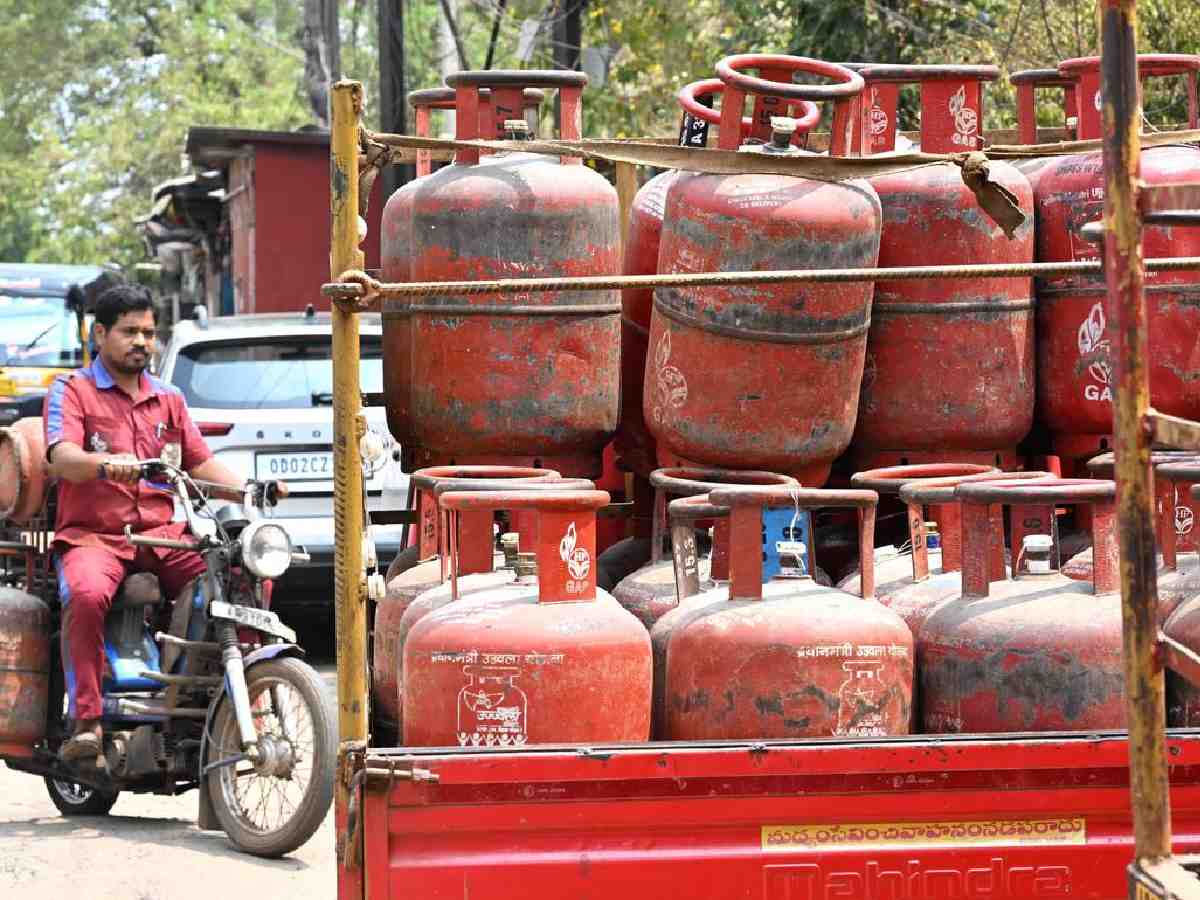
As irregular LPG supplies grip kitchens across Delhi, many restaurants run out of their fuel stock, creating challenges from menu changes to rising costs and concerns over staff wages.
Industry representatives say many eateries in the capital are trying to manage the situation through adjustments. However, if the disruption continues, smaller establishments may struggle to handle rising costs without affecting staff wages.
With the widening West Asia conflict, the government has prioritised the allocation of domestically produced natural gas for LPG production, compressed natural gas (CNG) and piped cooking gas sectors.
Under the revised allocation, the requirements of these sectors will be fully met before being supplied to other industries, according to a gazette notification.
Manpreet Singh, Honorary Treasurer of the National Restaurant Association of India (NRAI), told PTI that many establishments in Delhi are not receiving regular LPG supplies, with several of them shifting to alternatives like piped natural gas and induction cooking.
He said restaurants are promoting dishes that require less gas or are cooking larger quantities using induction appliances.
If the situation continues, the rising costs will affect staff wages and employment, particularly in the unorganised sector. Restaurants may have to reduce the variety of food they offer and rely more on bulk cooking of certain dishes, Singh said.
Small restaurant owners say they are facing operational stress due to irregular supplies. The owner of Shahdara’s Urban Kebab said their LPG stock has run out, and irregular supply is making daily kitchen operations difficult.
“As a small restaurant, it is difficult to manage such disruptions because we do not have the resources like large chains. If the situation continues, we may have to cut operational costs, which could include reducing staff wages or even letting some workers go,” he said.
The founder of The Piano Man chain, Arjun Sagar Gupta, said LPG supplies to their establishments have stopped, forcing them to depend on piped natural gas.
“Supplies have stopped. Piped natural gas is active, but Indraprastha Gas Limited (IGL) has also issued a circular. So we are trying to identify what all can be made without gas and trying to get information on when supplies will resume,” he said.
Street vendors, who rely heavily on LPG cylinders, may face greater difficulties if the disruptions continue, said Sandeep of the Indian Hawkers Association.
Some of them have complained that their connections or vendor access have been blocked and are unable to get suppliers’ response, he said.
“If the shortage continues, some may be forced to buy cylinders from the black market at higher prices. Unlike large restaurants, street vendors cannot easily increase food prices, so higher input costs could severely affect their earnings,” he said.
Industry representatives say the problem is worsened because most restaurants keep limited LPG stock.
Amit Bagga, Co-Founder of Daryaganj Restaurants and Co-Chapter Head of the NRAI Delhi Chapter, said most establishments maintain only one to two days of LPG inventory.
“The current challenge is the availability of LPG cylinders, which in many cases are either in short supply or being sold at a premium in the market. This can affect staff livelihoods as well,” Bagga said.
However, not all establishments have faced disruption.
Yogesh Sharma, Managing Director of Karigari Ventures, said most of their Delhi kitchens are connected to Indraprastha Gas Limited pipeline systems, ensuring a steady fuel supply.
“At the moment, we have not experienced any major disruption in LPG supply at our Delhi outlets,” Sharma said, adding that the company is maintaining buffer stock and optimising kitchen operations to handle the chaos.