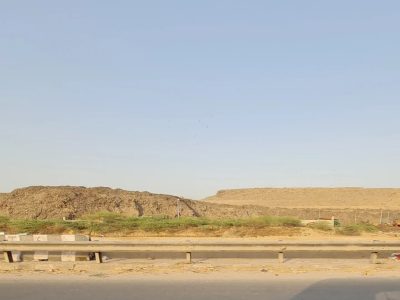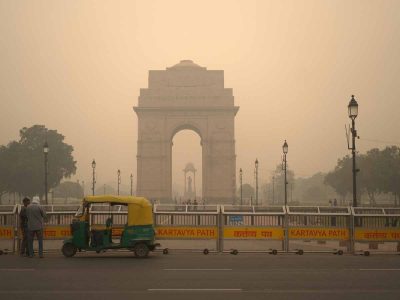
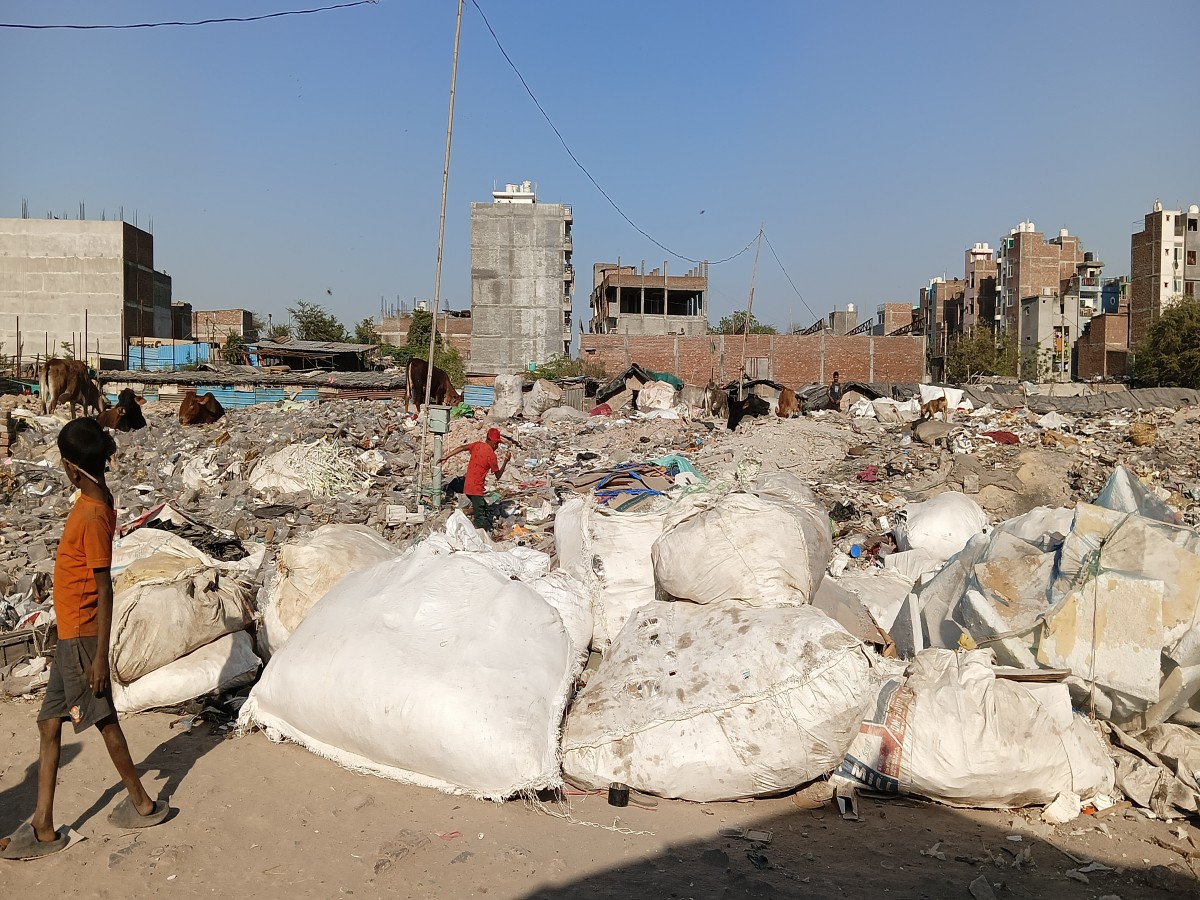
As Delhi gears up for another smog-filled winter, concerns are mounting over dust and pollution from construction and demolition waste across the city. Delhi’s four Construction and Demolition (C&D) waste units process an average of 580 tonnes of debris a day.
According to the Municipal Corporation of Delhi’s (MCD) biomining report, a total of 17,455 tonnes of C&D waste was dumped from September 1 to October 26. While the total amount of waste collected is unknown, the MCD estimated an average of 6,000 tonnes per day (TPD) in an earlier annual report.
The gap between C&D waste generated in Delhi and the quantity processed remains substantial, with more than half of the waste not accounted for in the processing and recycling figures recorded by the Delhi Pollution Control Committee (DPCC).
Annual data
According to the DPCC’s annual report for 2024-25, dated July 31, 2025, Delhi generated an estimated 6,156.1 TPD of C&D waste, of which only 2,676.3 TPD, or 43.5%, was processed or recycled. The report recorded a gap of 3,479.8 TPD, equivalent to 56.5% of the estimated daily generation.
The MCD accounted for the bulk of the waste generated, with an estimated 6,000 TPD. However, only 2,562.7 TPD was recorded as processed or recycled, leaving a gap of 3,437.38 TPD. In comparison, the New Delhi Municipal Council (NDMC) generated 30.5 TPD, all of which was recorded as processed, while the Delhi Cantonment Board (DCB) generated 1.9 TPD, which was also accounted for through processing, reuse and disposal.
The report, which covers the financial year 2024-25, also highlighted the gap between the quantity of waste received at processing facilities and the amount of recycled material subsequently taken away for use.
During the year, the five operational C&D processing facilities in Delhi received approximately 12.40 lakh tonnes of waste at the rate of 3,397.73 TPD. These facilities processed around 12.08 lakh tonnes, or 3,310.73 TPD, accounting for 97.4% of the waste received. However, government departments and private parties picked up about 7.28 lakh tonnes, or 1,995.51 TPD, of recycled products — just 60.27% of the recycled products generated by the plants.
Using waste in civic projects
The report attributed part of the challenge to the need to increase the use of recycled C&D materials in infrastructure and construction projects. It noted that the Ministry of Housing and Urban Affairs set a target of 16.015 lakh tonnes for government departments to use recycled C&D materials in 2024-25. The DPCC also issued directions and wrote to agencies, including the National Highways Authority of India, the National Buildings Construction Corporation, the Central Public Works Department and the Delhi Development Authority, to increase uptake of recycled products.
The DPCC report listed five operational processing facilities during 2024-25, with a combined installed capacity of 5,150 TPD. These comprised four MCD facilities and a separate Delhi Metro Rail Corporation (DMRC) plant.
Four MCD facilities
The four MCD facilities included Bakkarwala, Shastri Park and Ranikhera, processing 1,000 TPD and Jahangirpuri (Burari), at 2,000 TPD, bringing their combined capacity to 5,000 TPD.
The fifth facility, at Ranikhera, was operated for DMRC’s construction waste and had a capacity of 150 TPD. However, its contract ended on March 28, 2025, after which the plant was closed and dismantled.
The report stated that four processing facilities with a combined capacity of 5,000 TPD had been operational since April 2025. An additional 1,000-TPD facility was proposed on eight acres of reclaimed land at the Okhla dumpsite, with commissioning expected by December 2026. The proposed plant would raise the city’s processing capacity to 6,000 TPD, close to the estimated 6,156.1 TPD of C&D waste generated daily.
However, the report also noted that C&D waste was being used or disposed of at the Okhla, Ghazipur and Bhalswa dumpsites, and that this quantity was not included in the figures for waste disposed of through the processing plants. The figures therefore distinguish between waste generated, waste processed at designated facilities and waste handled through other disposal routes.
Policy gaps
The DPCC report also noted that the Delhi government’s urban development department was yet to prepare a separate C&D waste management policy for Delhi, despite earlier correspondence from the pollution control body. It also flagged deficiencies identified during inspections of processing facilities and communicated them to the operators for corrective action.
The Bakkarwala processing plant received 2,94,515 tonnes of C&D waste in 2024–25, of which 281,199 tonnes was processed. This means the facility processed 95.5% of the waste it received, leaving a difference of 13,316 tonnes between intake and processing. The plant produced 214,796 tonnes of recycled products, equivalent to 76.4% of the waste processed and 72.9% of its total intake.
Discrepancy in numbers
The Jahangirpuri facility recorded an intake of 2,91,172 tonnes during the year, while the quantity processed stood at 3,78,261 tonnes.
At the Shastri Park facility, 331,402 tonnes of C&D waste was received in 2024–25, the highest intake among the four MCD plants. Of this, 301,500 tonnes was processed, equivalent to 91% of the intake, leaving a gap of 29,902 tonnes. However, the facility produced only 76,895 tonnes of recycled products, amounting to 25.5% of the waste processed and 23.2% of the intake. This was the lowest proportion of recycled products relative to processed waste among the five facilities listed.
The Ranikhera facility received 281,537 tonnes of C&D waste during the year and processed 215,993 tonnes, or 76.7% of the intake. The plant produced 1,42,387 tonnes of recycled products, equivalent to 65.9% of the waste processed and 50.6% of the waste received. Among the four MCD plants, Ranikhera recorded the lowest proportion of waste processed relative to intake.
The Ranikhera facility received 41,545 tonnes of C&D waste in 2024–25 and processed 31,463 tonnes, equivalent to 75.7% of its intake. The difference stood at 10,082 tonnes. The plant produced 30,320 tonnes of recycled products, amounting to 96.4% of the reported processed quantity and 73% of the intake. This was the highest proportion of recycled products relative to processed waste among the five facilities listed.
Taken together, the five facilities received 12,40,171 tonnes of C&D waste and reported processing 12,08,416 tonnes during 2024–25, equivalent to 97.4% of the total intake. However, the quantity of recycled products stood at 7,28,361 tonnes, or 60.3% of the reported processed waste. In other words, recycled products amounted to 58.7% of the total waste received by the facilities.
The MCD has made all 125 secondary C&D waste collection centres operational ahead of winter. As of October 1, 118 centres had signage and barricades or protective sheets, 116 had water-sprinkling arrangements to control dust, and 113 were equipped with 360-degree cameras to deter illegal dumping. However, only 88 centres were registered on the Delhi Pollution Control Committee (DPCC) portal. At the time of reporting, 111 C&D collection sites were listed on the MCD portal.
The civic body is also offering free collection and transportation of up to 20 tonnes of C&D waste to designated secondary centres. The Delhi Malba Collection App, launched in March, allows residents to request waste removal, with MCD vehicles or registered transporters collecting the debris.