As India observes National Nutrition Week, leading dietitians and clinicians are warning that air pollution is silently damaging children’s health — but food itself could be the strongest defence.
Doctors across Delhi’s major hospitals say that the right nutrition can lower the risk of pollution-related diseases in children by as much as 70%.
“Air pollution is no longer just about smog or visibility, it is about what goes into our children’s lungs every day,” said Shalini Verma, Dietitian at Dr RML Hospital.

Verma explained that children inhale nearly three times more air relative to their body weight compared to adults. The impact of five cigarettes on an adult, she noted, is equal to fifteen on a child. Exposure to polluted air can begin affecting health even before birth, with expectant mothers often delivering underweight babies. Later, these children are more prone to frequent coughs, asthma, pneumonia, and in many cases impaired brain development. “The good news,” she added, “is that up to 70% of this disease burden can be prevented by food.”
Also read: Delhi: Clinics rebranded, but the spirit remains the same
Food as a shield
Verma highlighted that nutrition works as a shield against free radical damage caused by toxins in the air. “A diet rich in antioxidants from fruits and vegetables reduces inflammation. Minerals like zinc and selenium relax the airways. Lean proteins build immunity, while vitamin C from citrus fruits and amla strengthens lung tissues. Omega-3 fatty acids from nuts, seeds, and fish lower inflammation in the body. If families consistently follow these dietary habits, they can cut the risk of pollution-linked illness drastically.”
Surbhi Sharma, Clinical Nutritionist at Max Hospital Gurugram, agreed that diet is the first line of defence.
According to her, vitamin A from carrots and sweet potatoes protects lung tissue, while vitamin C from guava, oranges, and amla helps children fight oxidative stress. Vitamin D, obtained from fortified milk or safe sunlight exposure, improves immunity, while vitamin E from nuts and seeds reduces cellular damage in the lungs.
“Even simple kitchen choices make a difference,” Sharma said. “When parents replace sugar with jaggery, when they cook in mustard oil with turmeric, they are arming their children against pollution. A handful of peanuts or roasted chana daily is enough to build protein reserves and strengthen lungs. These are not costly superfoods — they are everyday items available in every local market.”
Rising disease burden
Doctors caution that the burden of pollution-related illness is sharply increasing.
“In our OPDs at RML Hospital, we have seen nearly a 20% increase in paediatric patients with asthma, lung infections, and respiratory distress over the past few years,” Verma said.
She noted that more children are being admitted with breathing difficulties, often repeatedly, with the situation worsening during winter smog. Combined with poor diets and rising obesity, the result is “a double burden on children’s health.”
A study by AIIMS found that nearly 24% of children in private schools in Delhi were obese — more than five times the prevalence in government schools.
“Obesity and hypertension are already appearing in children,” Verma warned. “When polluted air is added to this, the risk of diabetes and heart disease in adulthood multiplies. Nutrition is therefore not only about growth anymore; it is about survival.”
Affordable protection
Doctors emphasise that protective diets need not be expensive. Sharma pointed out that seasonal vegetables such as spinach, coriander, cabbage, and drumsticks are affordable and rich in vitamins. Fruits like guava and amla are cheaper than packaged juices but far more powerful.
Whole grains such as bajra and jowar provide both energy and fibre, while lentils and legumes remain the cheapest protein sources in India. Homemade curd or buttermilk, Sharma said, is more effective than probiotic drinks available in the market.
“Parents often think that protecting children from pollution means costly measures,” she said. “But in fact the healthiest defences are the cheapest ones.”
Hydration and rainbow diets
Hydration is another often-ignored shield. “Water itself is medicine against pollution,” Sharma explained. Six to eight glasses of water a day keep mucus membranes moist and prevent pollutants from entering the respiratory tract. Water also supports the kidneys and liver in flushing out toxins. Coconut water, lemon water, or simple buttermilk, she added, are effective detoxifiers.
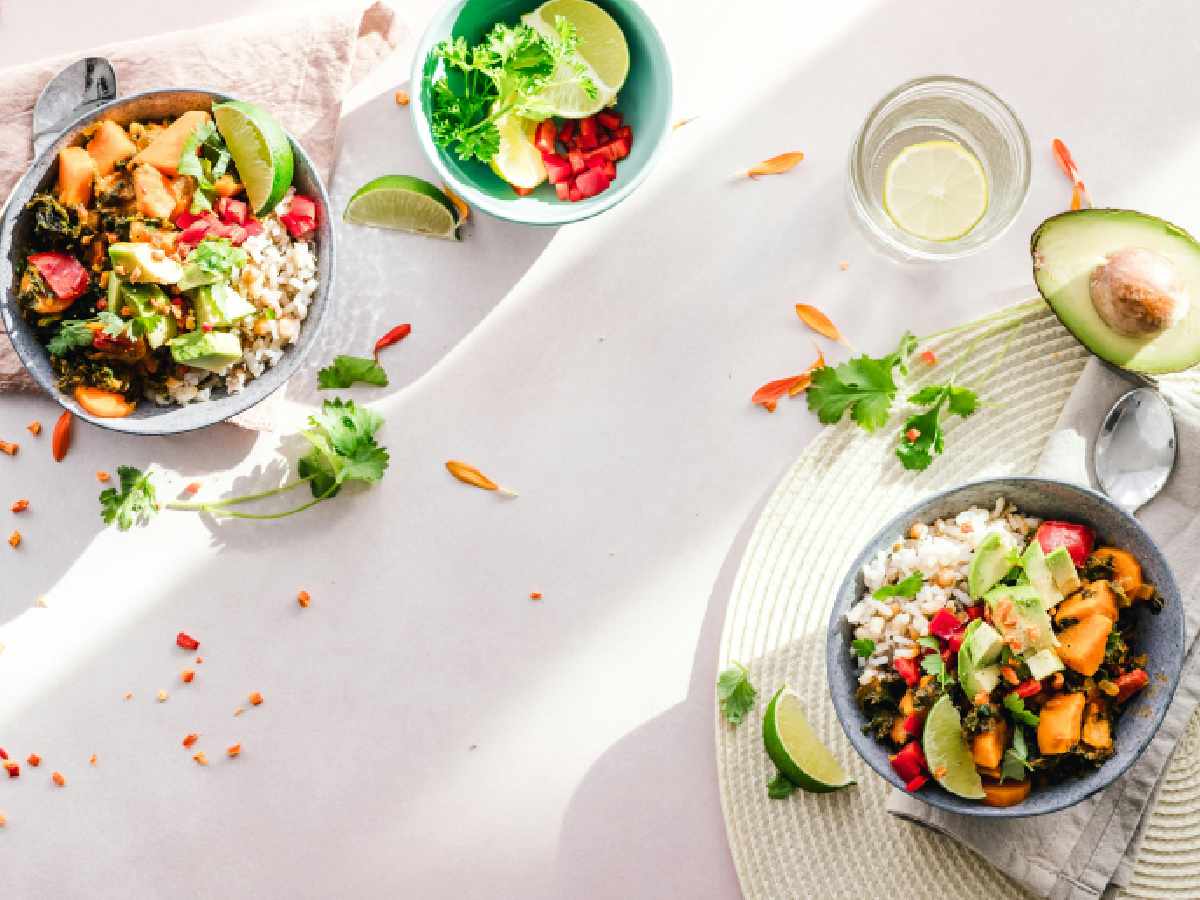
Kiran Dalal, Chief Dietitian at Fortis Hospital Faridabad, urged families to adopt a “rainbow diet”. A child’s plate, she said, should carry colours: green leafy vegetables, orange carrots, red tomatoes, yellow bell peppers, and fresh fruits.
“A simple home-cooked meal of roti, dal, sabzi, curd, and salad provides everything a child needs. Adding buttermilk in the afternoon, roasted chana as a snack, or turmeric milk at night adds layers of protection. Families don’t need imported foods; they need regular, consistent, and balanced meals,” Dalal said.
Schools and awareness
Hospitals are also urging schools to take responsibility. “Greener campuses, clean water, and plastic-free surroundings are a must,” Verma emphasised. Some schools have begun installing air purifiers in classrooms, but she argued that they must also teach children how food protects them. “A mid-day meal rich in vegetables and protein is as important as an air filter. Awareness must go hand in hand with institutional responsibility.”
Awareness campaigns are also spreading. Verma noted that young volunteers, even teenagers, are now going door-to-door to explain how diet and pollution are linked. “This shows that children themselves are becoming advocates for their health. But the larger message during National Nutrition Week should be that nutrition is our most powerful defence until the air itself becomes safer,” she said.
Also Read: Closure of mohalla clinics sparks fear and anger in Delhi
The battle at the dining table
Dalal concluded with a reminder that the solution lies not only in policy but also in daily practice. She said that while masks, purifiers, and technology are often discussed in the fight against pollution, “the real battle begins at the dining table.”
A bowl of dal, a piece of guava, or a glass of buttermilk, she explained, could be as powerful as any medicine. Families that ensure two to three servings of vegetables, at least one fruit, a protein source, and adequate fluids every day could cut down their children’s risk of pollution-related illness by nearly 70%. “That is the real promise of nutrition in polluted cities,” she emphasised.
A balanced diet chart
Weekly rotation ideas for breakfast
- Vegetable upma
- Besan cheela with chutney
- Paratha with aloo-methi or palak, served with pickle
- Idli with coconut chutney
- Dalia with jaggery and nuts
- Egg (for non-vegetarians) with roti and fruit
Alternate lunch/dinner options
- Chicken curry or rajma with rice, salad, and curd
- Moong khichdi with mixed vegetables
- Soy and vegetable pulao with curd
- Vegetable thepla with curd
- Chana dal with palak and rice
- Bajra roti with lauki sabzi and dal
Child-friendly tips
- Cut fruits and vegetables into fun shapes to encourage eating
- Involve children in washing or mixing food to make them more willing to try it
- Flavour water with mint, jeera, or lemon to promote hydration
- Rotate meals to avoid boredom, but keep textures and spices familiar
Key daily nutrient goals
- 1–2 servings of fruit
- 2–3 servings of vegetables
- 2 servings of protein (dal, chana, egg, etc.)
- 1 probiotic (curd or buttermilk)
- 6–8 glasses of fluids (more during summer or high-pollution days)
Chart recommended by Kiran Dalal, Chief Dietitian, Fortis Hospital, Faridabad