Delhi’s Public Accounts Committee (PAC) has flagged serious gaps in public healthcare delivery, including overcrowding in hospitals, shortcomings in tuberculosis control and weak implementation of welfare schemes for the poor, and called for urgent, time-bound corrective action.
In its report presented in the Assembly on Monday, the committee examined the Comptroller and Auditor General’s performance audit titled “Report of the Comptroller & Auditor General of India on Public Health Infrastructure and Management of Health Services for the year ended 31st March, 2022 (Report No.3 of the year 2024)”.
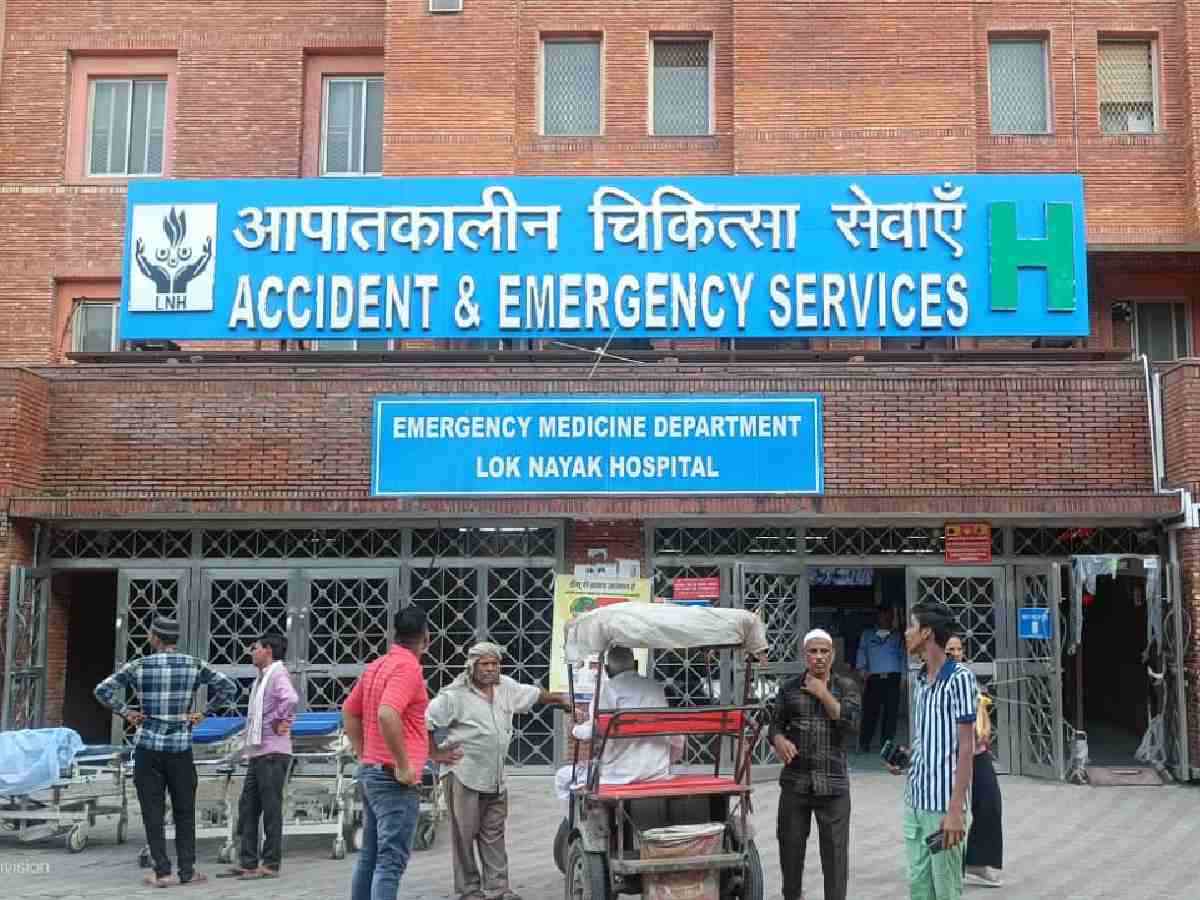
Referring to CAG audit findings, the PAC expressed concern over overcrowding and high patient load in government hospitals, with delays at registration, consultation, diagnostics and pharmacy.
The audit had noted that doctors often spend less than five minutes per patient, while waiting time for surgeries extends to several months.
It also flagged the shortage of basic facilities such as clean toilets, seating and waiting areas, overcrowded wards, weak emergency services with poorly equipped ambulances, and gaps in diagnostics, blood services and patient care systems.
The PAC said measures such as the rollout of the Next Generation e-Hospital system for digital patient management are not sufficient unless fully implemented across all hospitals, and directed that these deficiencies be addressed in a time-bound manner, with progress to be reviewed as of June 30, 2026.
Referring to CAG findings, the committee said Delhi is lagging in achieving Sustainable Development Goal-3 (SDG-3), which aims to ensure healthy lives and well-being for all by 2030, particularly in indicators such as tuberculosis and suicide rates.
The audit had highlighted deficiencies in TB control, including lack of awareness activities, delay in the formation of district DR-TB committees, poor monitoring, shortage of staff, lack of training and failure to conduct follow-ups and death audits, along with issues such as non-payment of nutritional support and lack of basic facilities for patients.
The PAC said these reflect systemic gaps and recommended a year-wise action plan with stronger monitoring, directing that progress made be reflected in Action Taken Reports, including status as of June 30, 2026.
On welfare schemes, the PAC, citing audit findings, said benefits under the EWS free treatment scheme and Delhi Arogya Kosh (DAK) are not reaching the public adequately.
The CAG had found that 19 out of 47 hospitals had not set up referral centres even after more than 15 years, and only 43,951 EWS patients were referred compared to nearly 13.89 crore patients treated, indicating poor utilisation.
It had also flagged delays of three to eight months for diagnostic tests and surgeries under Delhi Arogya Kosh (DAK), along with lack of awareness, absence of tracking systems and weak monitoring of private hospitals.
The committee further flagged staff shortages highlighted in the audit, noting that about 21 per cent of posts were vacant, including higher shortages in specialists and paramedics, and around 36 per cent shortfall under National Health Mission schemes.
While the department has initiated steps to improve recruitment, the PAC directed that vacancies be filled urgently, a permanent specialist cadre be created and dependence on outsourcing reduced.
On medicines, the PAC, referring to audit findings related to gaps in procurement and supply, including the non-regular updating of the Essential Drug List and absence of a Delhi State Formulary since 1994.
The audit had also noted that hospitals were forced to procure 33 to 47 per cent of medicines locally due to supply delays. The PAC directed that there should be no shortage of medicines even for a single day, with transparent procurement systems and strict quality checks.
The committee also cited audit findings on infrastructure, noting that only about 1,300 beds were added against a target of 10,000, with delays in projects and underutilisation of facilities.
It called for stronger monitoring, better planning and time-bound completion of projects. Referring to CAG findings on financial management, the PAC noted that savings ranged from 8.64 per cent to 23.49 per cent, while health spending stood at only 0.79 per cent of GSDP, far below the 2.5 per cent target.
Over Rs 510 crore remained unspent under NHM, and utilisation was only about 46.46 per cent by December 2025. While the department has increased the health budget to Rs 12,826 crore in 2025–26, the PAC said utilisation remains weak and called for better financial planning and monitoring.
The PAC also referred to “regulatory failures” identified in the audit, noting that bodies such as the Delhi Medical Council, Nursing Council and Pharmacy Council were not functioning effectively.
It also mentioned staff shortages, delays in drug testing and lack of accreditation of laboratories and hospitals. It said these directly affect the quality of care and public safety and require urgent corrective action.