
Stroke, once considered a disease of old age, is increasingly affecting younger adults in India, prompting doctors to warn of a growing public health concern driven by lifestyle disorders, stress, pollution, and rising exposure to extreme heat.
A recent analysis by the Indian Council of Medical Research (ICMR), based on over 34,000 stroke cases across multiple hospitals, found that nearly one in seven stroke patients in India belongs to the 18–44 age group.
The findings underscore a major demographic shift in the burden of stroke, which is now the country’s fourth leading cause of death and fifth leading cause of disability.
Doctors across Delhi and other metropolitan cities said hospitals were witnessing a clear increase in younger patients arriving with stroke symptoms — many with underlying but poorly managed risk factors.
“Yes, hospitals in Delhi are increasingly seeing stroke cases among younger adults in the age group of 18–44 years,” said Dr Praveen Gupta, Chairman of Marengo Asia International Institute of Neuro & Spine (MAIINS), Gurugram.
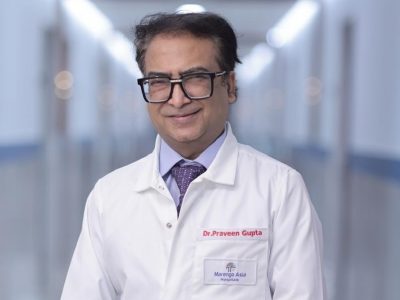
He attributed the trend to sedentary lifestyles, smoking, uncontrolled high blood pressure, diabetes, obesity, stress, poor sleep habits, and substance abuse.
“What is worrying is that many young people overlook the early signs, thinking they are too young to have a stroke, which delays timely treatment and negatively impacts outcomes,” he said.
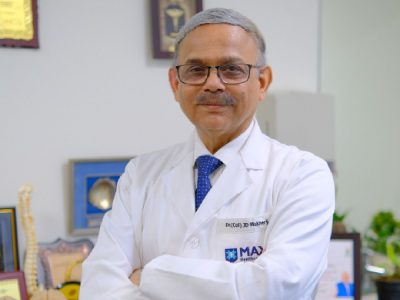
“There has been a recent rise in stroke cases among younger adults,” said Dr (Col) Joy Dev Mukherji, Chairman and Head of Neurology at Max Super Speciality Hospital, Saket.
“Common risk factors include premature atherosclerosis, underlying heart disease, stressful lifestyles, and autoimmune disorders,” he added.
Dr Vinit Banga, Director and Head of Neurology at Fortis Escorts Hospital, Faridabad, said stroke was increasingly affecting people in their 20s and 40s because of obesity, smoking, hypertension, diabetes, stress, sedentary lifestyles, and pollution exposure.
“There is a surge in stroke cases among younger patients due to factors such as high blood pressure, diabetes, and family history,” said Dr Pankaj Agarwal, Director of Neurology, Stroke and Neurocritical Care at Gleneagles Hospital, Mumbai.
Lifestyle risks
Experts said the growing prevalence of hypertension, diabetes, obesity, smoking, and environmental pollution among younger Indians was playing a major role in the rise of early strokes.
“Hypertension, diabetes, and smoking are among the major risk factors for early stroke and cardiovascular disease in young adults,” said Dr Bilal Ahmed, Senior Consultant in Interventional Cardiology at Marengo Asia Hospital.
“Smoking damages arteries and reduces oxygen supply to the brain and heart. When these risk factors occur together, they have a tremendous impact on vascular damage,” he added.
Dr Surendra Nath Khanna, Chairperson of Adult Cardiac Surgery and Heart-Lung Transplant at Artemis Hospitals, said lifestyle disorders were increasingly becoming triggers for early strokes.
“Hypertension and diabetes silently damage blood vessels over time, causing them to become narrow, weak, or susceptible to blockage,” he said.
“Chronic stress increases this risk by raising blood pressure and encouraging unhealthy habits, while smoking thickens the blood and increases clot formation.”
Sedentary behaviour
Dr Bipeenchandra Bhamre, a cardiovascular surgeon based in Mumbai, said obesity and sedentary behaviour were further compounding the problem.
“Stress, hypertension, diabetes, and smoking are key contributors to the rise of early strokes in younger adults,” he said.
“Along with obesity and sedentary habits, these factors significantly raise the risk of stroke at a younger age.”
Professor PN Pandey, former Head of the Neurosurgery Department at Lok Nayak Hospital, said environmental and lifestyle factors were now major contributors to the growing stroke burden, particularly among younger adults.
He noted that chronic exposure to fine particulate matter (PM2.5) could trigger inflammation and damage blood vessels, significantly increasing the risk of ischaemic stroke. In cities such as Delhi, where pollution levels frequently exceed global safety standards, people with hypertension, diabetes, or pre-existing heart disease faced even greater risks.
Heatwave risks
Amid rising summer temperatures across north India, doctors are also warning that extreme heat and dehydration can significantly increase stroke risk, even among younger adults.
“Extreme heat and dehydration can significantly increase stroke risk because excessive fluid loss makes the blood thicker, increasing the risk of blood clots,” Dr Gupta said.
Dehydration can also trigger electrolyte imbalance, blood pressure fluctuations, and additional strain on the cardiovascular system.
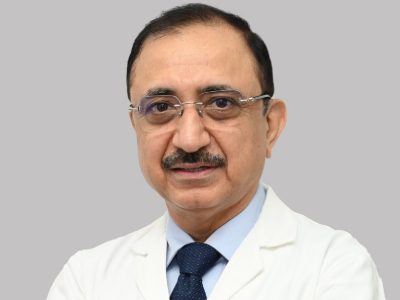
“A heatwave can significantly increase the risk of heart problems and stroke,” Dr Khanna explained.
“In hot weather, the body has to work harder to keep cool by increasing blood flow to the skin, placing additional stress on the heart,” he added.
Cardiovascular conditions
Dr Ahmed said heat exposure could worsen existing cardiovascular conditions.
“Heat can cause dehydration, making blood thicker and more prone to clotting,” he said.
“The heart also has to work harder to maintain body temperature, further stressing the cardiovascular system.”
Dr Agarwal warned that severe dehydration during prolonged heat exposure could reduce blood flow and increase the chances of clot formation.
Also Read: ‘Liver disease risk may begin before birth’
“Heat stress may also raise blood pressure and place additional strain on the heart and blood vessels,” he said.
Doctors noted that people with hypertension, diabetes, heart disease, smokers, outdoor workers, and elderly people were particularly vulnerable during prolonged heatwaves.
Stroke or heat exhaustion?
Doctors warned that stroke symptoms were often mistaken for heat exhaustion during summer, causing dangerous delays in treatment.
“Heat exhaustion frequently causes altered mentation, which might delay the diagnosis of stroke,” said Dr Mukherji.
Symptoms such as dizziness, confusion, fatigue, weakness, headache, and slurred speech can overlap in both conditions.
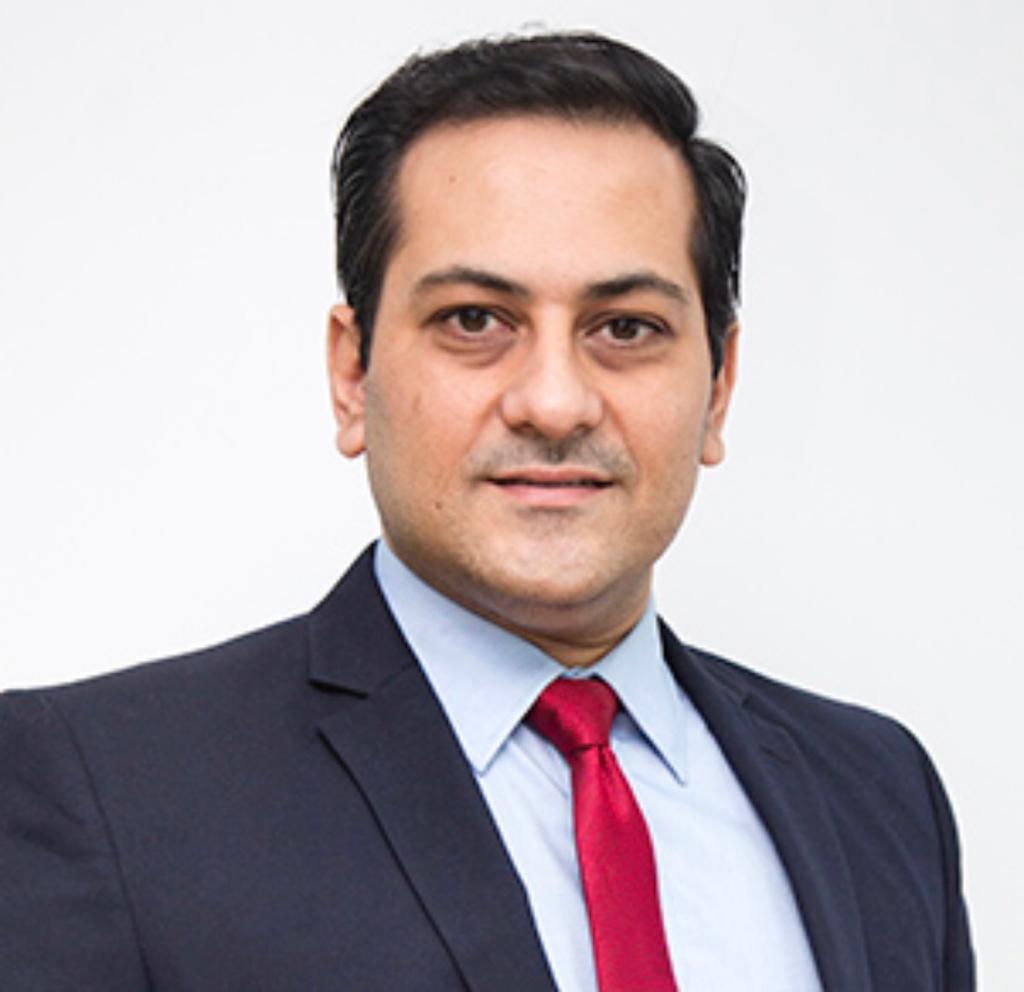
“During summer, stroke symptoms such as dizziness, confusion, weakness, headache, slurred speech, or fatigue can sometimes be mistaken for heat exhaustion, leading to dangerous delays in treatment,” Dr Agarwal said.
However, experts cautioned that sudden neurological changes — such as facial drooping, weakness on one side of the body, difficulty speaking, or loss of balance — should always be treated as medical emergencies.
“The main difference is that stroke often presents with one-sided weakness, facial drooping, or communication problems,” Dr Banga said.
‘Golden hour’
Doctors stressed that immediate treatment during the ‘golden hour’ was critical to preventing brain damage, disability, and death.
“The golden hour is not to be missed in any case of stroke,” Dr Mukherji said.
“Young people especially must be diagnosed and treated quickly to prevent lifelong disability,” he added.
Dr Gupta said brain cells begin dying within minutes after blood flow is interrupted.
“Brain damage, disability, and death can all be significantly reduced with early medical intervention,” he said.
In cases of ischaemic stroke, clot-busting medication can restore blood flow if administered within the first few hours after symptoms appear.
“The quick arrival at hospital enables timely imaging and specialist treatment, significantly improving long-term neurological outcomes,” Dr Gupta explained.
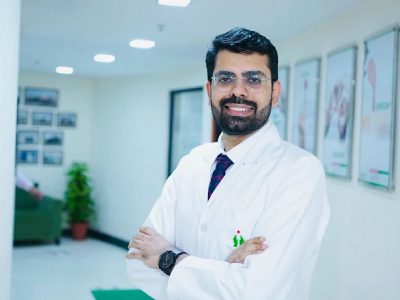
Dr Banga added that patients receiving treatment within three to four-and-a-half hours after symptoms appear could regain blood flow through clot-busting medicines, helping prevent severe disability and save lives.
Professor Pandey said reaching a stroke-ready hospital within the ‘golden hour’ could dramatically improve recovery and functional outcomes.
He noted that advances in clot-busting drugs, mechanical thrombectomy, and AI-assisted imaging technologies had significantly improved stroke treatment outcomes over the past decade. However, he stressed that these benefits depended on public awareness, rapid emergency response, and coordinated care systems connecting emergency, neurology, and rehabilitation services.
Delayed hospital arrival remains a major challenge in India. According to the ICMR analysis, nearly two in five stroke patients reach hospitals more than 24 hours after symptoms begin — sharply reducing their chances of recovery.
‘BE FAST’
Doctors are urging the public to remember the acronym ‘BE FAST’ to identify stroke symptoms early.
B stands for sudden loss of balance, E for changes in eyesight, F for facial drooping, A for arm or leg weakness, S for speech difficulty, and T for time to seek emergency treatment.
“Any sudden neurological symptom should never be ignored, regardless of age,” Dr Agarwal said.
Dr Mukherji also emphasised the importance of public awareness.
“‘BE FAST’ is a simple acronym that can be used for early diagnosis among the general population,” he said.
Professor Pandey stressed that awareness remained one of the strongest tools for stroke prevention. He advised maintaining a healthy lifestyle, eating nutritious food, exercising regularly, avoiding smoking and alcohol, and undergoing periodic health check-ups to reduce long-term stroke risk.
Experts said early recognition, rapid medical attention, and better management of lifestyle-related diseases remained the most effective ways to reduce the growing burden of stroke among young Indians.