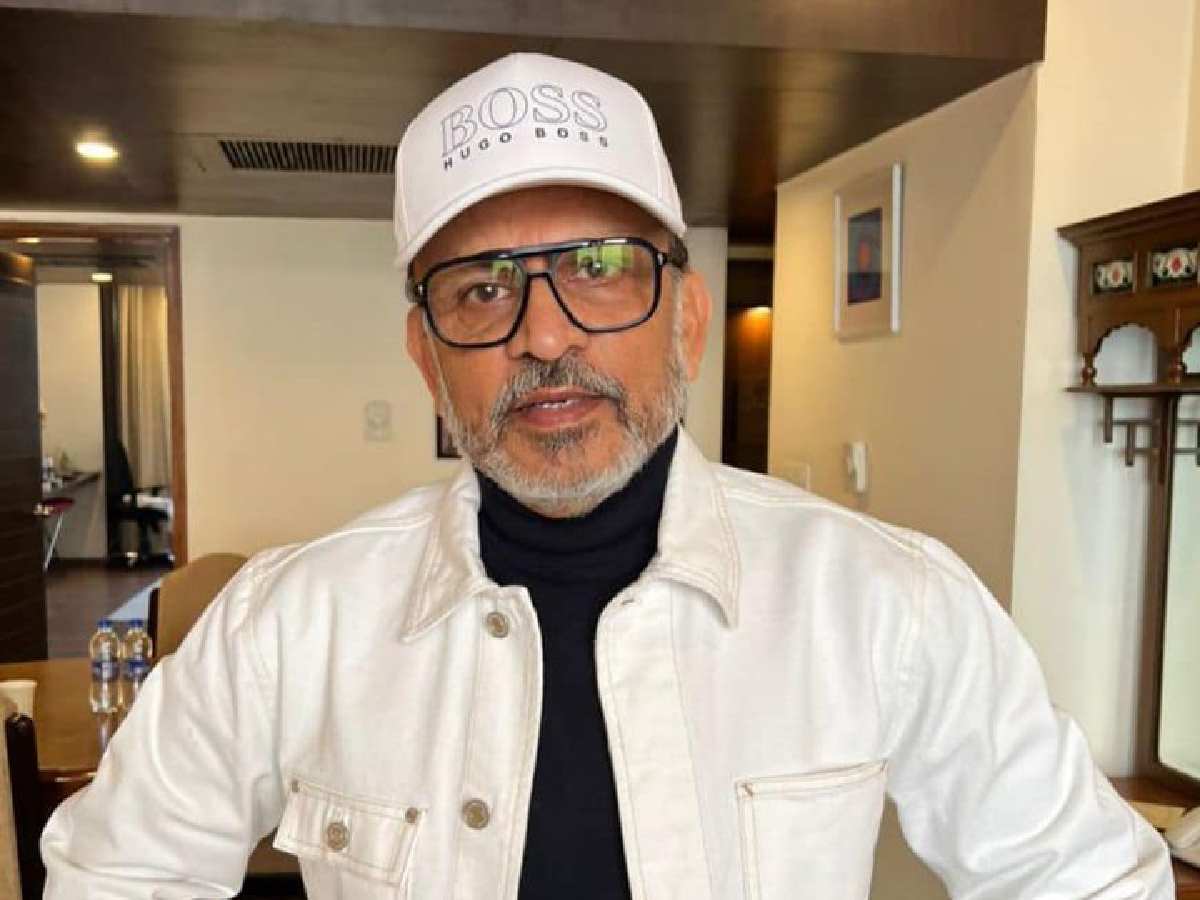
For Annu Kapoor, Delhi is a city of memories. Bengali Market, the National School of Drama (NSD), Mandi House and Hailey Road take him back to his days as an NSD student in the 1970s. Now, the actor has returned to the city in connection with Uttar Da Puttar, a comedy about belief, destiny and the search for the right direction in life.
During the film’s Delhi schedule, Patriot met Annu at a house in South Delhi. During a break in filming, the actor sat in a quiet corner, away from the activity on set.
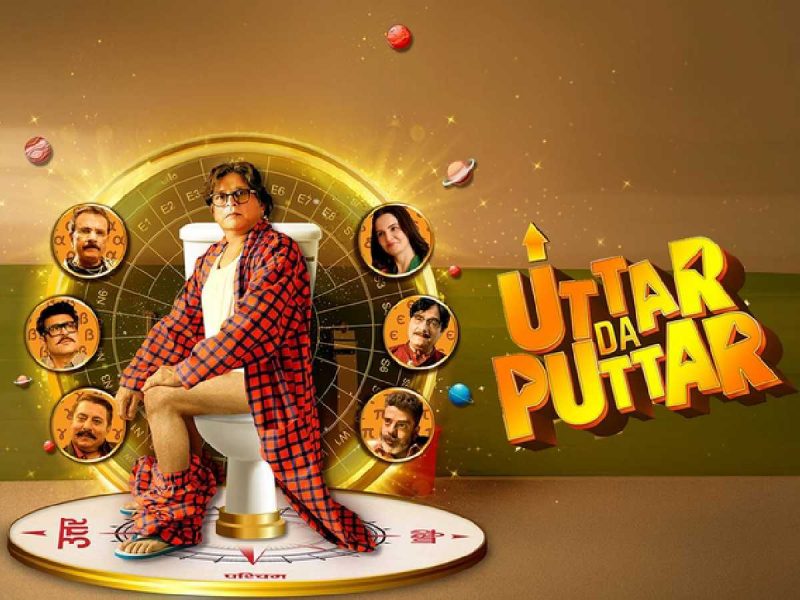
The film’s poster offers a glimpse of its central premise. It shows Annu sitting on a toilet placed atop a large Vastu chakra and pointing northwards, while other members of the cast surround him.
Directed by Ravinder Siwach and produced by Sandiip Kapur and Priya Kapur under Promodome Motion Pictures, Uttar Da Puttar is scheduled to release in theatres on July 24, 2026.
Between science and Vastu
In the film, Annu plays an experienced physics teacher who prepares students for the Indian Institutes of Technology entrance examination. Despite his scientific training, the character is a firm believer in Vastu Shastra.
His long-standing dream is to own a north-facing house, convinced that it will improve his fortunes. The conflict between his beliefs and the circumstances of his life forms the basis of the comedy.
Annu says the story, conceived by Delhi-based producer Sandiip Kapur, appealed to him as soon as he read it.
“This film is about common people like us, who look for answers to life’s questions in directions, stars or special rooms in the house. But real change comes from within,” he says with a smile.
His character, Annu says, is caught between the rational world of science and his belief in Vastu.
Asked why the story resonated with him, Annu says, “My character gets caught between the rules of Vastu and real life. The film shows this with humour and heart. The story does not make fun of faith. Instead, it gently says that Vastu can create harmony, but true change comes from our karma. I liked this balance the most.”
Hopes, struggles and small joys
As the conversation continues, Sandiip joins us. An advertising entrepreneur and film producer, he has backed films including Jugaad and Anaarkali of Aarah, as well as Bhonsle, for which Manoj Bajpayee won the National Film Award for Best Actor.
“The story is full of hopes, struggles and small happy moments,” Sandiip says.
He says he has observed that people in Delhi, as well as in cities and towns elsewhere, often begin to believe that designing their homes according to Vastu principles will transform their fortunes.
“That way they somehow ignore the importance of hard work,” he says.
Delhi as a backdrop
The film was shot at several landmarks across Delhi, including the Qutub Minar, Connaught Place and India Gate, as well as the 108-foot Hanuman statue between the Jhandewalan and Karol Bagh Metro stations.
The Delhi locations provide a familiar urban setting for a story centred on homes, aspirations and the everyday ways in which people negotiate questions of belief and fate.
The tagline of Uttar Da Puttar asks: Karam Bade Ya Kismat? (Is karma greater than destiny?)

Annu responds to the question at the heart of the film by rejecting a simple opposition between the two.
“Karma and destiny are not enemies, but partners. Karma means our actions, honest efforts and daily decisions. Destiny can set the stage, but the performance is ours.”
Sandiip says the film draws on familiar practices among people seeking a change in fortune.
“Our film represents millions of people who move furniture or visit priests to improve their luck. But it shows that real peace comes when there is a balance between faith and hard work,” he says.
He adds that the film uses humour and light satire without intending to hurt religious sentiments.
“In today’s India, where even big government projects discuss Vastu, this story feels very timely,” Sandiip says.
Delhi on the big screen
Uttar Da Puttar joins a long tradition of Hindi films that have used Delhi not merely as a location but as part of their stories.
Among the earlier examples are BR Chopra’s Chandni Chowk (1954), New Delhi (1956) and Raj Kapoor’s Ab Dilli Dur Nahin (1957). Tarzan Comes to Delhi, released in 1965, was another early film whose very title placed the city at the centre of its premise.
Over the decades, Delhi’s monuments, streets, markets and neighbourhoods have continued to provide filmmakers with settings ranging from political dramas to romances and comedies.
‘Never forget to work on yourself’
Annu hopes audiences will leave the theatre entertained, but also reflecting on the film’s central question.
“Come out of the theatre smiling and also think a little about your own life. The film does not give a heavy lecture. It simply says: Fix the place if it helps, but never forget to work on yourself.”