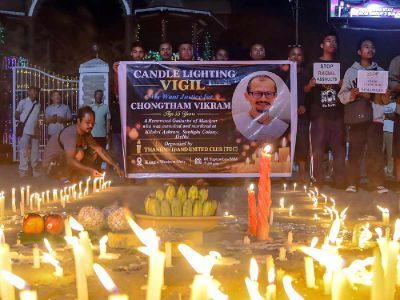
On September 7, renowned Manipuri guitarist Chongtham Vikram Singh died from hemorrhagic shock after being brutally assaulted outside his Delhi residence.
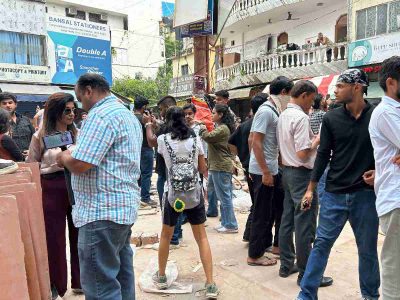
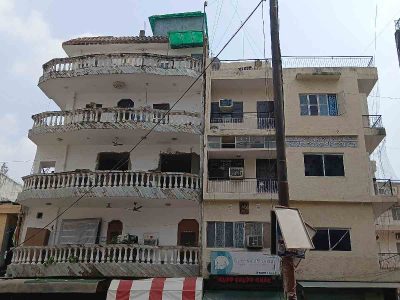
The fatal incident occurred around 11:30 PM on September 6, when the artist confronted a group consisting of local eatery staff, delivery drivers, and youths who were causing a disturbance in his lane. The verbal objection quickly escalated into a violent physical attack, after which the victim managed to return to his home before being rushed to the hospital.
Medical findings from AIIMS revealed that Singh suffered extensive severe trauma, including multiple bruises and abrasions spanning his head, face, neck, chest, and legs, alongside rib fractures accompanied by localised bleeding. An emergency eFAST examination indicated significant internal damage, specifically pointing towards a suspected splenic laceration that led to catastrophic fluid loss. The formal autopsy confirmed that approximately two litres of blood and 160 grams of clotted blood had gathered in his peritoneal cavity, ultimately causing his death at 6:32 AM.
Law enforcement authorities have registered a murder case under Section 103(2) and subsequently arrested seven individuals and apprehended a juvenile linked to the deadly altercation. CCTV footage obtained from the deceased’s premises showed the group of young men fleeing the scene shortly after the assault.
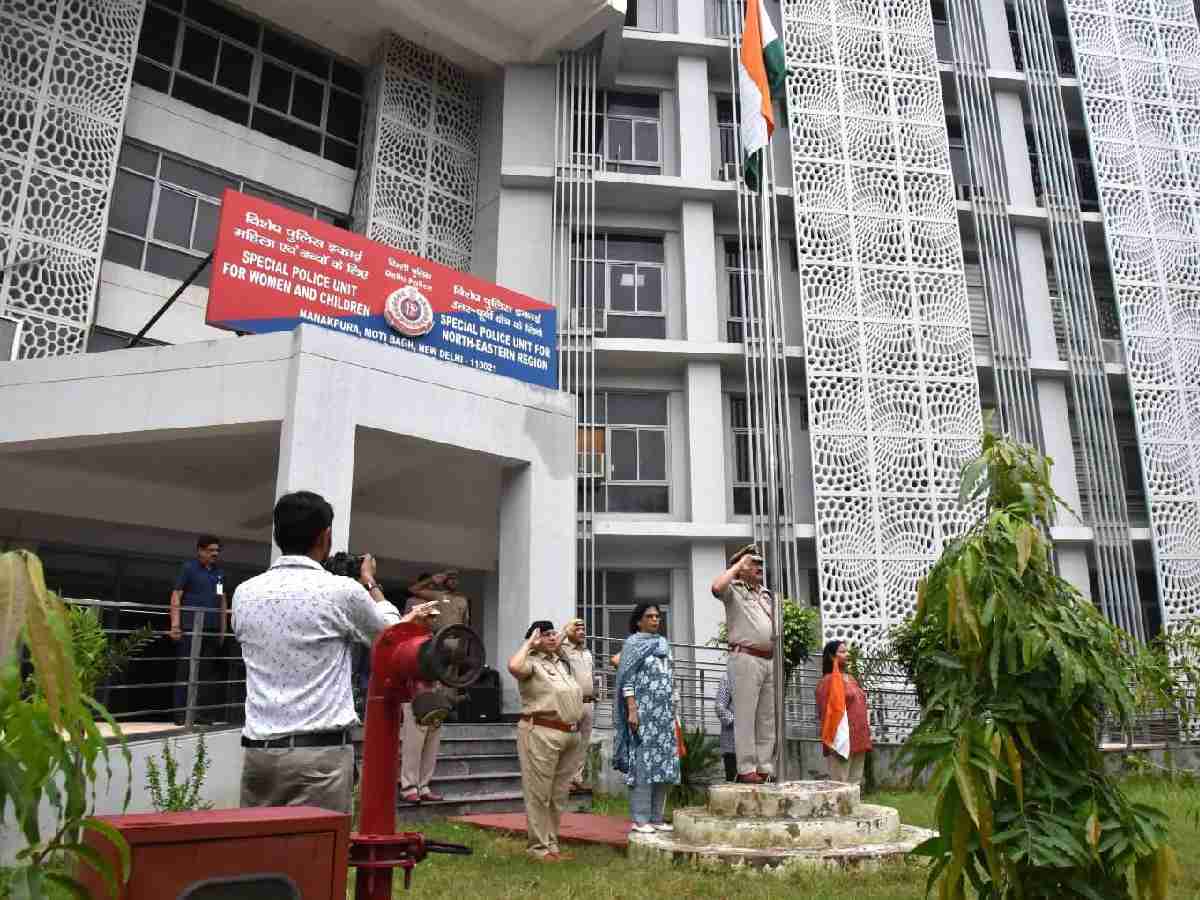
While the altercation was labelled as not ‘racist in nature’ by Singh’s family and the Delhi Police, such hate crime against Northeast Indian residents across the national capital is not unheard of. To put matters into perspective, the same racism had necessitated the formation of the Special Police Unit for North East Residents (SPUNER) by the Delhi Police.
120-150 monthly calls
According to Delhi Police officials, as of September 14, the special unit had received around 1,300 calls this year. “We receive an average of 120-150 calls on an average each month from Northeastern (Indian) residents. Most of the calls are regarding landlord related issues, while other complaints include online fraud, disputes with taxi drivers over misbehaviour or overcharging, mobile theft, workplace harassment and personal conflicts,” a senior official said.
Following the 2014 death of Nido Tania, a student from Arunachal Pradesh who was killed in an assault in Lajpat Nagar, the Delhi Police established a dedicated unit to support individuals from the North-eastern region. A Joint Commissioner-level officer was appointed as the nodal officer to lead this initiative.
To enhance safety and communication, the Delhi Police launched the 1093 helpline number alongside three specialised PCR vehicles designated as the North Eastern Assistance Team (NEAT), operating directly under the Special Police Unit for North East Region (SPUNER).
Through the helpline, SPUNER received 1,415 calls in 2024, which resulted in 101 FIRs. Till October 10, 2025, it had received 1,062 calls, resolved or addressed 864 matters and registered 81 FIRs.
Currently, SPUNER is staffed by 80 personnel and overseen by senior officers of Joint Commissioner and Special Commissioner ranks. The unit collaborates closely with local police stations to address issues involving citizens from the Northeastern states.
Wide representation
Additionally, the force appointed roughly 50 representatives from the seven states, as well as Gorkha representatives from Darjeeling and Ladakh, to facilitate seamless coordination with officers. The initiative also maintains a digital outreach presence through the ‘Delhi Police for Northeast Folks’ Facebook page, managed directly by SPUNER.
Also Read: Manipuri musician’s killing: Northeastern students in Delhi describe daily racism
The 2014 killing of Tania exposed the severe prejudice endured by people from India’s Northeast in metropolitan areas. The tragedy prompted the creation of the MP Bezbaruah Committee, which examined discrimination beyond street crime to address systemic failures in policing, law, education, housing, and media representation.
Committee representation
The committee’s key recommendations focused on three main pillars: policing reform, legal amendments, and social education. It advocated for specialised police teams, 24-hour dedicated helplines, fast-track courts, and sensitised prosecutors. Crucially, it proposed new penal provisions targeting racial insults and prejudicial acts, while urging national school curricula to incorporate Northeastern history to dismantle stereotypes.
In response, SPUNER was created alongside its helpline. These mechanisms actively handle hundreds of disputes annually, ranging from landlord harassment to criminal complaints. However, the proposed standalone anti-racism legislation was never enacted, leaving legal protections against racial prejudice fragmented across general penal laws.
The Supreme Court has consistently intervened to ensure these reforms are not forgotten. In 2016, the court ordered the creation of a monitoring committee under the Union Home Ministry to oversee implementation and address grievances. Further reinforcing this mechanism in February 2026, a Supreme Court bench directed that the monitoring body meet at least quarterly and proactively take notice of reported incidents.
Low conviction rate
An earlier Indian Express report revealed that of the 2,656 FIRs by the SPUNER filed between 2014 and April 30, 2026, 1,465 — nearly 55% — were classified as untraced. Only 33 cases resulted in conviction, producing a conviction rate of 1.82%.
Presently, eight people, including a jevenile, have been arrested in the alleged lynching. They include Bharat Kumar, a 19-year-old food delivery worker at Saini Dhaba; Pramod, a 26-year-old who also worked in food delivery at Saini Dhaba; and Ramzan Khan, a 22-year-old employed as a food delivery worker at New Choudhary Dhaba. They were joined by 21-year-old Deepanshu and 32-year-old Mohan Vishwakarma, both of whom worked in food packaging at Saini Dhaba. Additional accused include Vijay, a 36-year-old working in food delivery at Annapurna Dhaba, and Mannu, a 26-year-old employed at a Diamond Pizza kiosk. A 15-year-old minor was also arrested.