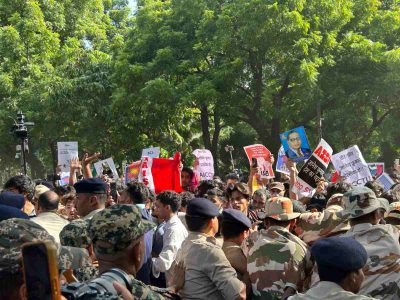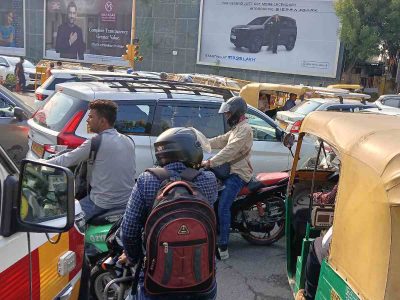
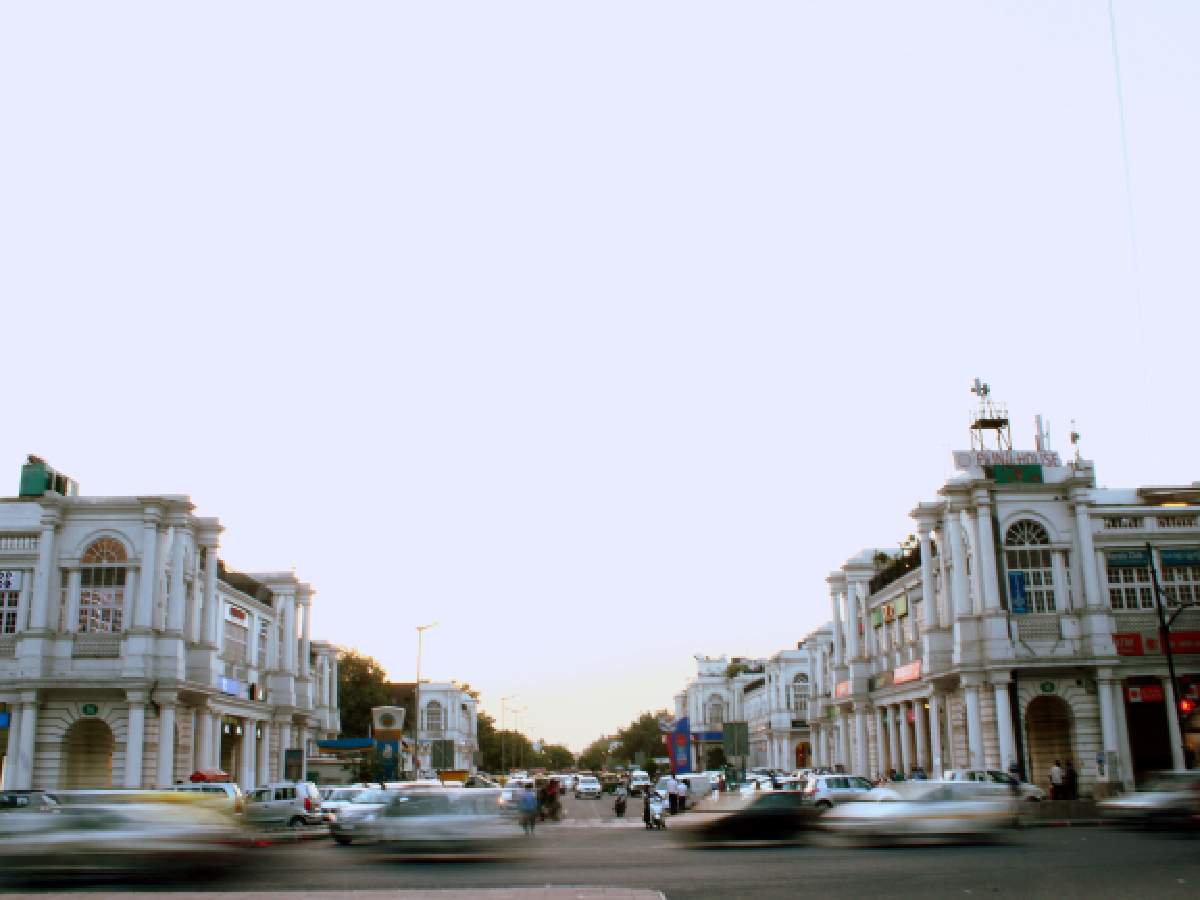
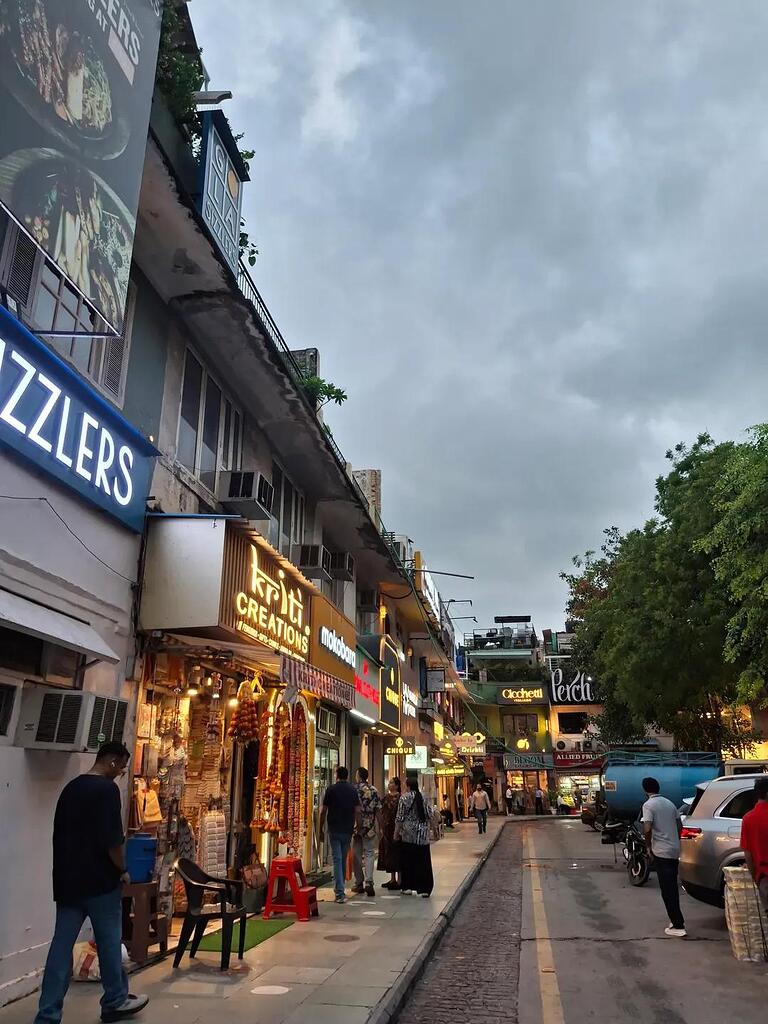
Across New Delhi district’s major shopping districts, Khan Market and Connaught Place (CP), a sense of dread prevails. These areas have reported a sharp decline in business ahead of the festive season, as ongoing protests in central Delhi deter shoppers and disrupt store operations.
Footfall has fallen by as much as 90% over the past three days, since October 10, traders said, adding to losses from earlier protests by the Cockroach Janta Party (CJP) in July.
The Delhi High Court on October 13 sought the Centre’s response to petitions by traders, vendors and lawyers seeking regulation of protests in the Capital under existing standard operating procedures. Traders claimed barricading and protests had already cost them Rs 2,000 crore in business.
“Regular protests are hurting our revenue. After COVID, in-store shopping took time to return to normal, but these repeated disruptions are now derailing that recovery. People are afraid to come shopping even when the stores are open,” said Sanjeev Mehra, president of the Khan Market Traders’ Association.
Also Read: Where Ramlila speaks Urdu
Mounting losses
Retailers estimate that each day of closure costs shops in the two markets between Rs 60,000 and Rs 3.5 lakh. The losses include foregone sales and fixed expenses such as rent and employee salaries.
The timing of the disruptions has further heightened traders’ concerns, as businesses build inventory in anticipation of stronger demand during the festive season.
“This is the beginning of the festive season, when retailers stock up for the peak shopping period. But repeated protests have forced shops to close, and even when they reopen, footfall is down 90% compared with the same period last year,” said Atul Bhargav, president of the New Delhi Traders Association, which represents businesses in Connaught Place.
Retailers have also expressed concern over security advisories issued over the past three days. Some shop owners said employees were reluctant to report for work because of safety concerns and disruptions to public transport, further complicating store operations.
“Most of our employees commute by Metro, and services have been disrupted for the past three days. No one wants to risk their safety getting to work. Many employees are reluctant to come in, even when we want to open our shops. We hope the situation returns to normal soon,” said a Connaught Place retailer.
Also Read: Seven Navratri thalis to try in Delhi-NCR
Damage to reputation
Beyond the immediate loss of sales, traders fear prolonged disruptions could damage the two shopping districts’ reputations and prompt premium brands to reconsider their presence there.
Both markets attract affluent Indian shoppers and foreign visitors, making them important destinations for premium retail brands.
“These markets have several premium brands, and many foreign delegates prefer to shop here. Repeated closures are creating a negative impression that will be difficult to reverse,” another trader at CP said.
For retailers, the immediate priority is to recover lost sales during the festive season. However, if the disruptions persist, they fear shoppers could turn to shopping malls and online platforms, further weakening business in the capital’s traditional retail districts.
Major markets affected
Several other major markets have also been impacted. Karol Bagh, Sadar Bazar, Chandni Chowk, Chawri Bazar, Lajpat Rai Market and Palika Bazar reported closures or subdued commercial activity from October 10, as road restrictions, barricades and transport disruptions made it difficult for customers to reach shopping districts. Traders also cited safety concerns and potential property damage as reasons for shutting their establishments.
The shutdowns were not the result of a blanket government order directing markets across Delhi to close. Individual traders’ associations and shopkeepers took decisions based on the prevailing security situation. In Palika Bazar, the traders’ association said its 400 shopkeepers had unanimously agreed to close on October 10.
The disruption came as Navratri and Ramlila celebrations marked the start of a crucial trading period for businesses across the Capital, with traders worried about mounting losses as the festive season gained pace.
Also Read: Festive shopping in Delhi: where to go this Navratri
Subdued activity
In Old Lajpat Rai Market, traders reopened their shops on October 11, hoping to recover some losses, but reported a significant decline in customer turnout.
Tarun Bhatia, president of the market association, said shopkeepers had expected strong sales ahead of Diwali but were disappointed by the low footfall.
“Although the protest took place yesterday, shopkeepers have opened their shops today [October 11], hoping to make good sales during Diwali. However, the number of customers has been very low. I encountered several barricades on my way from home to my shop, which makes customers apprehensive,” Bhatia said.
He added that many customers travelled to the market from outside Delhi and had contacted traders to ask whether it was safe and practical to visit the city. Some customers placed orders remotely after their families discouraged them from travelling. Bhatia estimated that footfall had declined by 75-85%.
Traders in Karol Bagh also reported a sharp fall in customer turnout during what would ordinarily be a busy shopping period.
“I usually start seeing customers as soon as I enter the shop, but today, even though it is Sunday, only one customer has come so far,” a shopkeeper said.
A mobile phone repair shop owner said he had been waiting for customers since morning, adding that safety concerns and difficulty reaching commercial areas were affecting businesses that depend on routine visits as well as festive purchases.
The Chamber of Trade and Industry (CTI) wrote to the CJP, including its founder, Abhijeet Dipke, and opposition parties, urging them to refrain from holding protests and demonstrations in Delhi until Diwali.
CTI chairman Brijesh Goyal said Navratri and Ramlila celebrations marked the start of the year’s most important business period for Delhi’s estimated two million traders. He warned that prolonged demonstrations and movement restrictions could affect traders, workers and service providers across the capital.
Also Read: Behind kitchen doors: Delhi restaurants and meaning of sustainability
Impact on Ramlilas
Delhi hosts around 650 Ramlila events, which employ large numbers of people. The CTI said road closures and restrictions at Metro stations could discourage people from attending the celebrations, affecting vendors, performers, transport operators and businesses that depend on festive crowds.
The organisation urged the CJP and other political parties to consider holding their programmes in another city until Diwali to minimise disruption during the peak trading season.
CTI estimates Rs 2,000 crore worth of business affected
The CTI said the disruption on October 10 extended beyond retail markets to several other sectors of Delhi’s economy. It cited closures or negligible activity in major markets, fewer visitors from outside the capital, local shoppers staying away, Metro restrictions and reduced business for petrol pumps, hotels, restaurants, cinemas, beauty parlours and salons.
Goyal estimated that retail, hospitality, transport, tourism and other services together had seen Rs 2,000 crore worth of business affected in Delhi that day alone.
Also Read: Inside a Delhi archive of forgotten histories
“The impact was not limited to retail trade. Taking into account the service sector, hospitality, transport and tourism, business worth Rs 2,000 crore was affected in Delhi on October 10. Navratri and Ramlila celebrations begin today, and the Diwali season has started. This is a crucial business period for Delhi’s traders,” Goyal said.
The CTI warned that continued restrictions could deepen the financial strain on businesses and those whose livelihoods depend on festive-season trade.