From tracking online conversations about protests to circulating videos of its personnel to counter what it calls “misleading narratives”, Delhi Police is stepping up its social media presence to shape how it is perceived in an increasingly digital landscape.
Delhi Police’s Perception Management and Media Cell, established in October 2021, is playing a vital role in this effort. Its approach combines monitoring online activity, responding to information it considers misleading and using its official social media accounts to publicise the force’s work and present the perspective of its personnel.
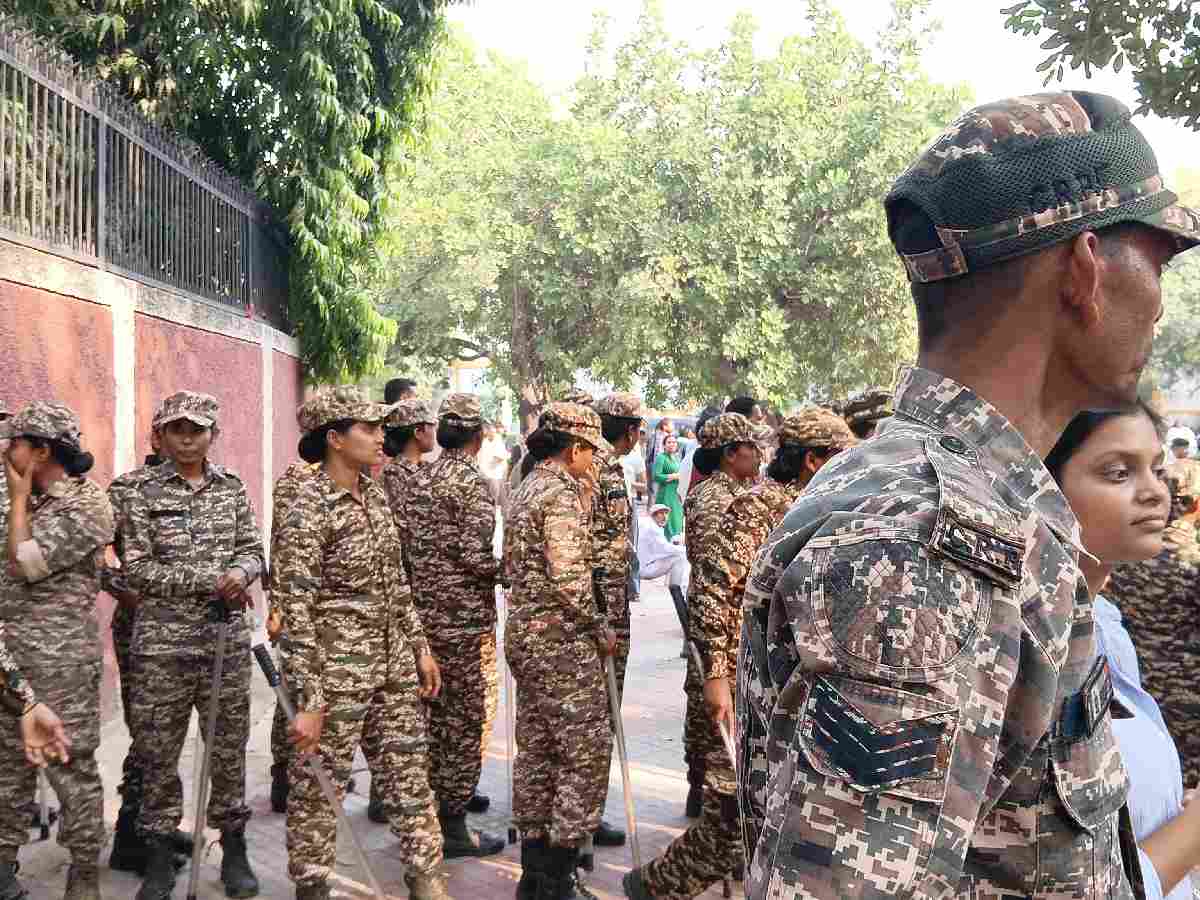
The strategy gained renewed prominence following protests at Jantar Mantar in July and demonstrations against Chief Election Commissioner Gyanesh Kumar in October. Videos and posts from the protests brought police action under public scrutiny, prompting the force to become more proactive in communicating its account of events.
Also Read: No BS-VI, no entry: what new anti-pollution curb could cost Delhi-NCR commuters
Messaging lost in posts
“During the previous protest, much of our messaging was lost in the posts and materials emerging from the protest site. This time, we are trying to remain ahead in the digital landscape,” a senior police officer said, explaining the change in approach.
The force has also used its social media accounts to circulate videos depicting police personnel being injured, heckled or filmed during confrontations with protesters. The objective is to highlight the experiences of officers on the ground, which the police believe are often missing from online footage.
“The posts from the past protest only showed the other side but rarely shed light on what the police went through. So, this time we have used recordings of the constables and officers in the field to show that behind the uniform there is a human being,” the officer said.
Additional Commissioner of Police and Delhi Police spokesperson Rajeev Ranjan said the force was monitoring online content that could compromise personnel’s privacy or contribute to the spread of misinformation.
“Some social media handles are sharing photographs and videos of police personnel, publicly revealing their identities. Attempts are also being made to spread misleading narratives through fake news and misleading content. The Delhi Police is monitoring such content and the accounts involved. Attempts to spread fake news, disclose identities without consent or disturb law and order through false information will invite appropriate legal action. Citizens are urged to verify the authenticity of photographs, videos and news before sharing them on social media,” Ranjan said.
Also Read: Strike over, promises pending at JNU
Acting against misinformation
The police have warned that they will take legal action against accounts found spreading misinformation, disclosing personnel’s identities without consent or using false information to disrupt public order. The force has also appealed to citizens to verify online material before forwarding it.
Alongside its public-facing campaign, the police have intensified efforts to track social media activity surrounding protests and other potentially sensitive events.
The monitoring includes examining publicly available posts and online channels for information about mobilisation, potential law-and-order concerns and content that the police believe could be misleading or inflammatory. The force has also focused on identifying online networks through which protest-related information is circulated.
Ahead of the October 10 demonstrations, police identified hundreds of people considered likely to participate in the protest, along with WhatsApp and Telegram channels allegedly being used to mobilise participants. Online activity by individuals identifying themselves as independent journalists and content creators was also monitored.
Also Read: From the Emergency to CAA: police at Delhi’s campuses
Need for safeguards
The development raises questions about the boundaries between legitimate intelligence-gathering, monitoring public activity and scrutinising people documenting demonstrations. While publicly available online content can provide useful intelligence, monitoring individuals who report on or participate in protests also calls for clear safeguards against arbitrary or disproportionate scrutiny.
The police have separately used social media monitoring to address content involving weapons, threatening language and misinformation. In February, the force launched ‘Operation Shastra’ to target people allegedly displaying weapons and using abusive language online to create an atmosphere of fear. The operation involved hundreds of teams and thousands of personnel, with cases registered following scrutiny of social media profiles.
The growing emphasis on digital monitoring also reflects the changing nature of policing, with online platforms serving as sources of intelligence, evidence and early indications of possible public disorder.
The change is not limited to surveillance. The police are also attempting to ensure that their version of an incident reaches audiences alongside, or before, competing accounts gain traction.
During major incidents, the force has increasingly used its official handles to circulate videos, explain police actions and highlight the risks faced by personnel. The strategy marks a shift from relying primarily on conventional press briefings towards engaging directly with audiences on the platforms where public discussion is already taking place.
Also Read: Jamia protest enters Day 17; three sent to judicial custody
Telling their side of story
“We are not posting CCTV footage or any evidence material, but whatever other people are sharing, we are telling our side of the story,” an officer said, describing the approach to online communication around protests.
The emphasis on perception management also fits into a broader push for police departments to publicise their achievements and community outreach initiatives. Guidelines issued by the Bureau of Police Research and Development under the Union Home Ministry have encouraged police stations to document their work, engage with community leaders and local influencers, and use social media to communicate their initiatives.
For Delhi Police, the challenge is to make its communication more immediate and accessible without allowing image management to overshadow transparency and accountability.
The increasing use of social media by the police presents an opportunity to communicate directly with citizens, correct misinformation and disseminate safety advisories. It can also help the force explain complex investigations and showcase work that may otherwise receive limited public attention.
But a more aggressive communications strategy carries risks if the emphasis shifts from providing verified information to countering criticism or protecting the institution’s image.
Videos circulated by any party to a confrontation represent only a portion of an incident unless accompanied by adequate context. A senior police officer said that the government had spearheaded a move to better familiarise the public with their side of the story. The police’s own posts face the same scrutiny as material shared by protesters, journalists and other users. “Selective footage or claims that cannot be independently verified may intensify disputes over what happened rather than resolve them. Moreover, we also have to challenge the misleading narrative by protesters and social media users who label our posts as fake,” he said.
Also Read: Delhi HC permits abortion beyond statutory limit
300 posts taken down
On October 12, the Delhi Police had taken down around 300 posts allegedly intended to spread rumours or create public unrest.
The action came a few days after police arrested a 24-year-old man for allegedly using artificial intelligence tools to create and circulate a fabricated video depicting a police officer sexually harassing a woman journalist during a protest against Chief Election Commissioner Gyanesh Kumar.
The accused, identified as Nadeem Ahmed, allegedly circulated the video to portray a policeman in a prejudiced manner, police said. The case is being investigated separately from allegations of sexual harassment levelled against police personnel by women journalists.
Police have also approached social media platform X, seeking the removal of objectionable and allegedly misleading content linked to the protests, sources said.
The monitoring exercise aims to identify fabricated content, misleading claims and posts that could potentially disturb public order, they added.