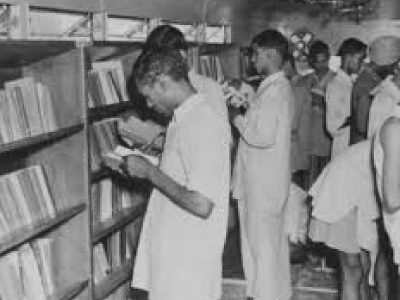
In 1986, Anirudh Deshpande, then a student at Jawaharlal Nehru University (JNU), took a Delhi Transport Corporation bus from the university to the National Archives of India on Janpath. He was looking for documents relating to the Royal Indian Navy Mutiny of 1946, an uprising that remains a relatively neglected episode in accounts of India’s freedom struggle.
For several days, Deshpande searched through files and records but found little of use. Disappointed, he was close to giving up when he came across a substantial collection of material relating to the uprising. The discovery changed the course of his research. Nearly four decades later, Deshpande is head of the History Department at the University of Delhi, and his interest in the Mutiny remains strong.
His experience illustrates the value of archival research: documents preserved in government repositories can help historians revisit familiar events, investigate neglected episodes and examine the evidence behind established accounts.
A record of the past
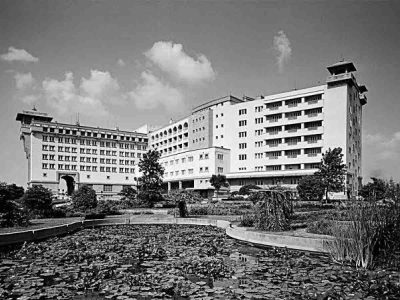
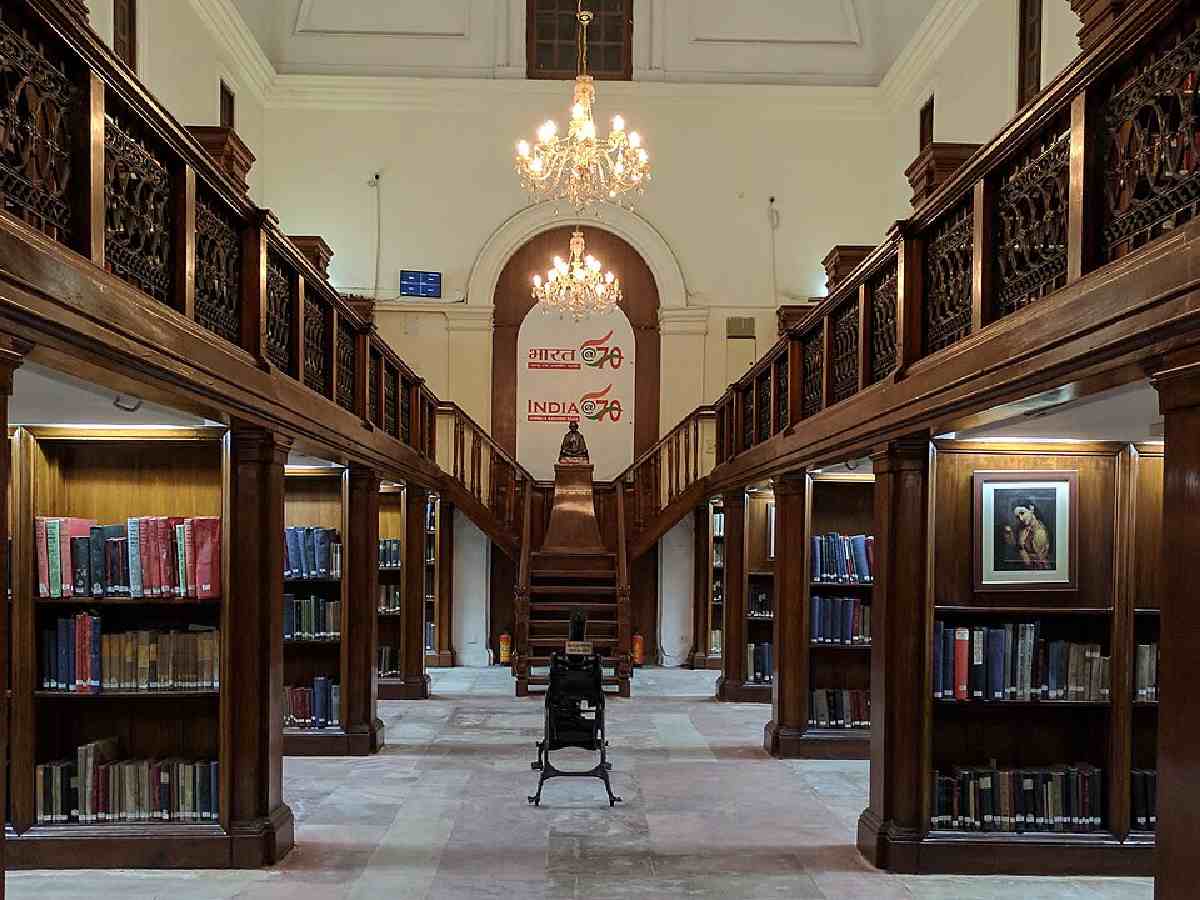
The National Archives of India occupies a prominent place in New Delhi’s historic landscape. Designed by British architect Sir Edwin Lutyens, its red sandstone exterior, high ceilings and broad staircases reflect the architectural character of the city’s imperial-era development. The building opened on November 1, 1926, on Queen’s Avenue, now known as Janpath.
The institution itself is older. Established in Calcutta on March 11, 1891, as the Imperial Record Department, it moved to Delhi following the transfer of the Capital in 1911. The transfer of records from Calcutta to New Delhi was completed in 1937.
The Archives preserves government papers, administrative records and other historical documents that help researchers reconstruct the political and institutional history of the country. These records can offer perspectives that published accounts alone may not provide, revealing how officials responded to events, how decisions were made and how political developments unfolded.
The records are particularly valuable for studying India’s revolutionary movement. Raj Sekhar Vyas, a former Additional Director of Delhi Doordarshan who has written extensively on Bhagat Singh, explains why official documents matter:
“The National Archives is equally important for researchers studying Shaheed-e-Azam Bhagat Singh and the revolutionary movement (sic). A single file can reveal details that may be missing from popular accounts of a historical event. Official records can help researchers understand what happened inside the Central Legislative Assembly, who was present and how the British administration responded to political resistance.”
And then, of course, there are the monkeys, whose antics around the building offer a reminder that not everything at the National Archives belongs to the past.
Following the paper trail
On April 8, 1929, Bhagat Singh and Batukeshwar Dutt threw bombs into the Central Legislative Assembly in protest against British policies and proposed legislation, including the Public Safety Bill and the Trade Disputes Bill. They distributed leaflets, raised revolutionary slogans and remained at the scene to be arrested.
Vithalbhai Patel was presiding over the Assembly when the incident occurred. It also raised questions about security within the chamber and the authority of the Assembly’s President. Patel insisted that security arrangements within the Assembly premises should remain under his authority rather than being controlled entirely by the colonial government.

Official records relating to the incident can help researchers examine the Assembly’s proceedings, the people present and the colonial administration’s response.
As Syed Farid Ahmad, a former Deputy Director of the National Archives, puts it, “The National Archives of India records help historians go beyond familiar stories and examine the evidence behind them. They preserve the voices of revolutionaries, legislators, government officials and ordinary people whose experiences shaped the country.”
What the files reveal — and what they don’t
The existence of a historical record does not mean that it is automatically available to researchers. Classified files and records open for historical research are not the same thing.
“The first important point is that classified files and historical files open to researchers are not the same thing. Under India’s Public Records Rules, 1997, classified records include files marked Top Secret, Secret, Confidential or Restricted. Such records are subject to security rules and are not automatically available to researchers simply because they are old,” explains a staff member of the National Archives.
The release of files relating to Netaji Subhas Chandra Bose offers one example of the process. In 2015, the government announced the declassification of records relating to Bose. By December 2019, the government reported that 304 files from the Prime Minister’s Office, the Ministry of Home Affairs, the Ministry of External Affairs and the Cabinet Secretariat had been transferred to the National Archives.
These records form part of the documentary material available for research into Bose and the freedom struggle. Their transfer also highlights an important distinction: preserving historical records and making them accessible are separate, though complementary, responsibilities.
Returning to the archives
For Deshpande, the National Archives was the starting point for a research journey that began with a search for documents on the Royal Indian Navy Mutiny. The material he found helped draw him into a subject that has occupied much of his academic life.
“Every file has the potential to reveal a new detail, challenge an established belief or bring a forgotten story to light. At the National Archives, history is not merely remembered; it is continually rediscovered,” says Deshpande.
His experience points to a broader lesson about historical research. An archive does not necessarily offer ready-made answers. Its value lies in the evidence it preserves and the questions that evidence allows researchers to pursue.