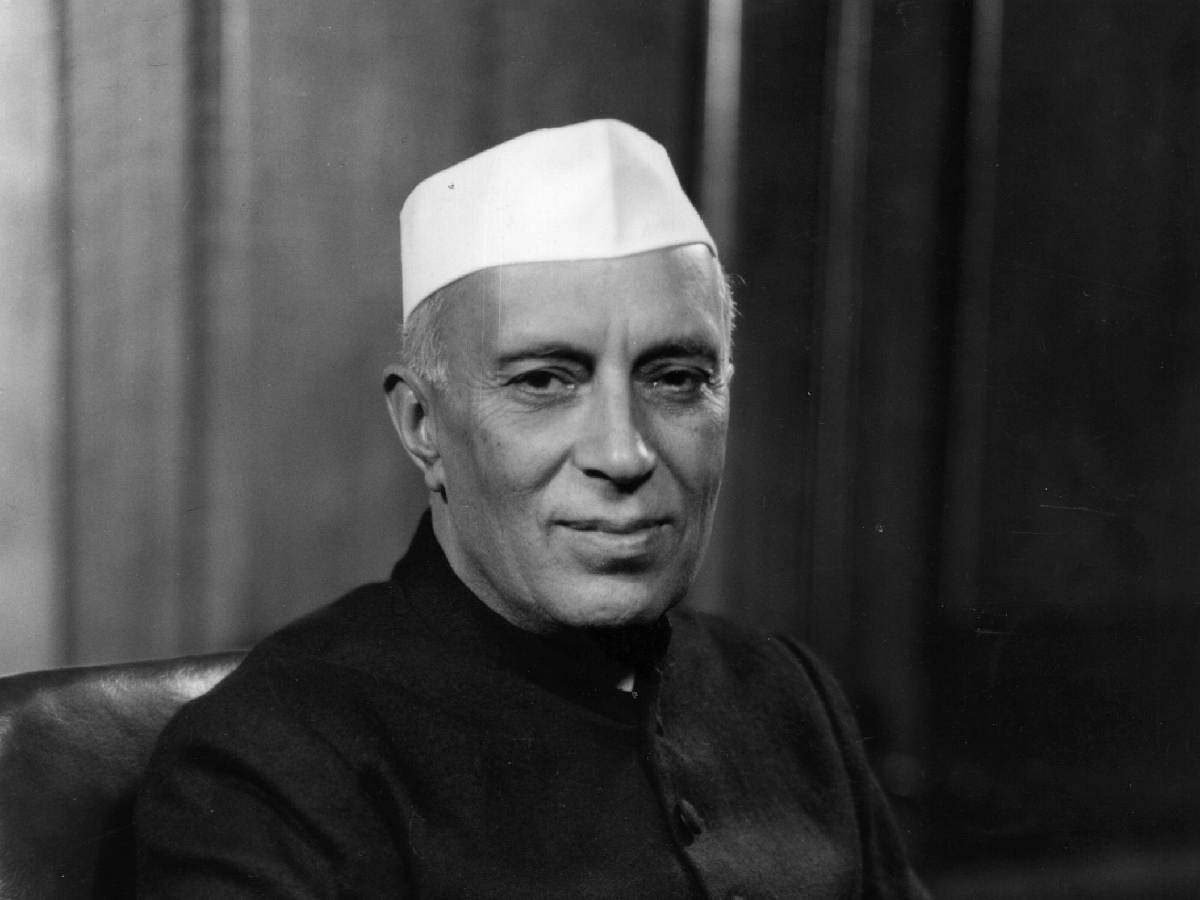
In 1957, Prime Minister Pandit Jawaharlal Nehru presided over an important meeting at the newly opened Vigyan Bhawan to discuss how India should commemorate the 2,500th anniversary of Lord Buddha’s enlightenment. After much deliberation, he suggested that Delhi should have a grand garden reflecting the teachings of Lord Buddha. Nehru entrusted his favourite architect, Rana Mansingh, with the task of designing the park. Thus began the creation of Buddha Jayanti Park.
At Nehru’s invitation, Mansingh returned to India in the early 1950s. Nehru and Rana had met in 1949 during the former’s visit to the United States. Impressed by Rana’s talent, Nehru urged him to return to India and contribute to nation-building. Rana returned in 1951 and joined the Central Public Works Department (CPWD). Among the projects he subsequently worked on were Bal Bhavan, the Teen Murti Library, Shanti Van and Buddha Jayanti Park.
Located in the heart of Delhi’s Central Ridge, Buddha Jayanti Park was developed as a tribute to the Buddha’s legacy and is spread over 81 acres of land. Nehru, however, did not live to see its completion.
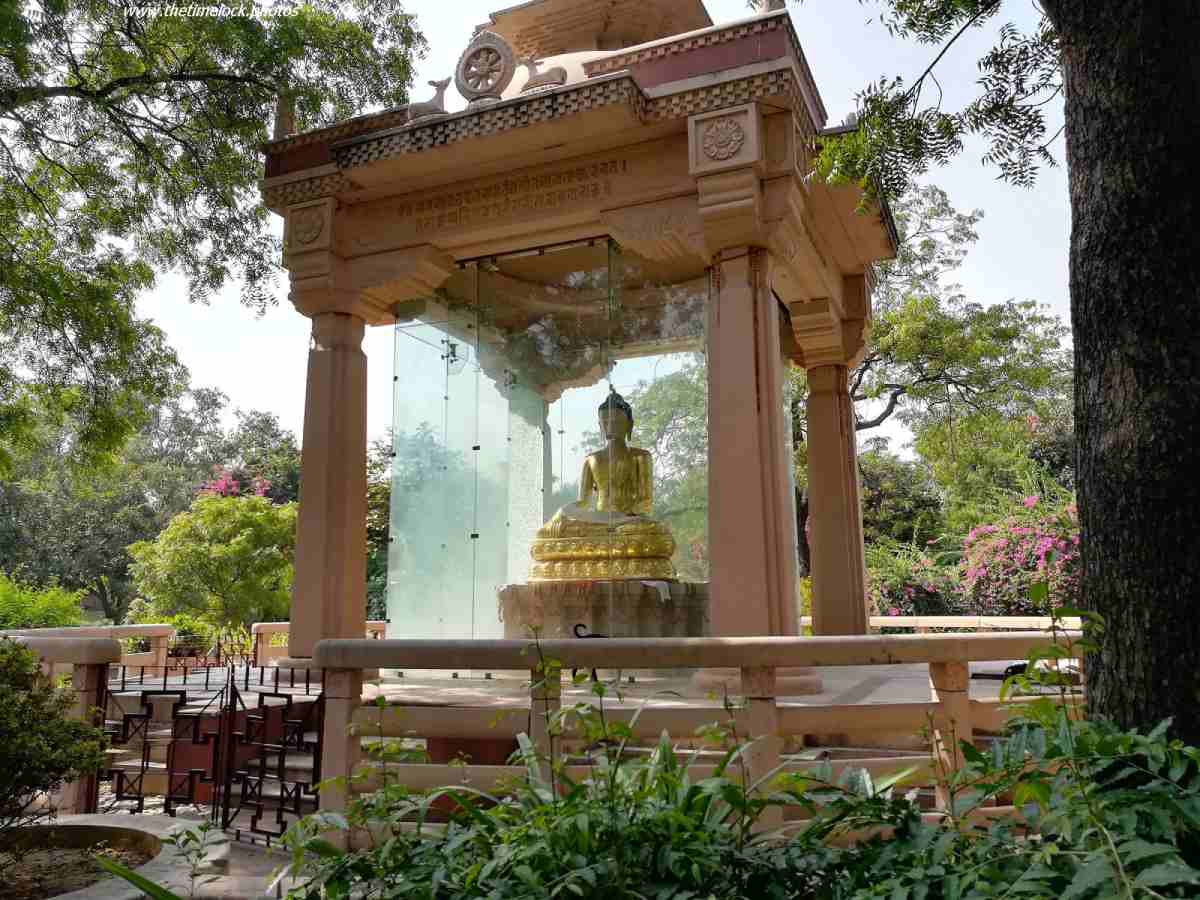
The park was inaugurated in 1964 by Prime Minister Lal Bahadur Shastri, who planted a sapling of the sacred Bodhi tree. The then Prime Minister of Sri Lanka, Sirimavo Bandaranaike, had travelled from Colombo to present the sapling to India. It was a descendant of the original Bodhi tree at Bodh Gaya in Bihar, under which the Buddha attained enlightenment. The tree, whose lineage traces back to a sapling taken to Sri Lanka during Emperor Ashoka’s reign, remains the park’s most significant feature.
Foundations of independent India
Buddha Jayanti Park is among several landmarks in Delhi that reflect Jawaharlal Nehru’s vision of a modern India. Some institutions were established at his initiative, others took shape during his tenure as Prime Minister, while several were inaugurated by him. Together, they offer a glimpse of a Capital being shaped around the aspirations of a newly independent country. From scientific research and medical education to cultural preservation and international engagement, Nehru wanted Delhi to reflect the priorities of a young republic.
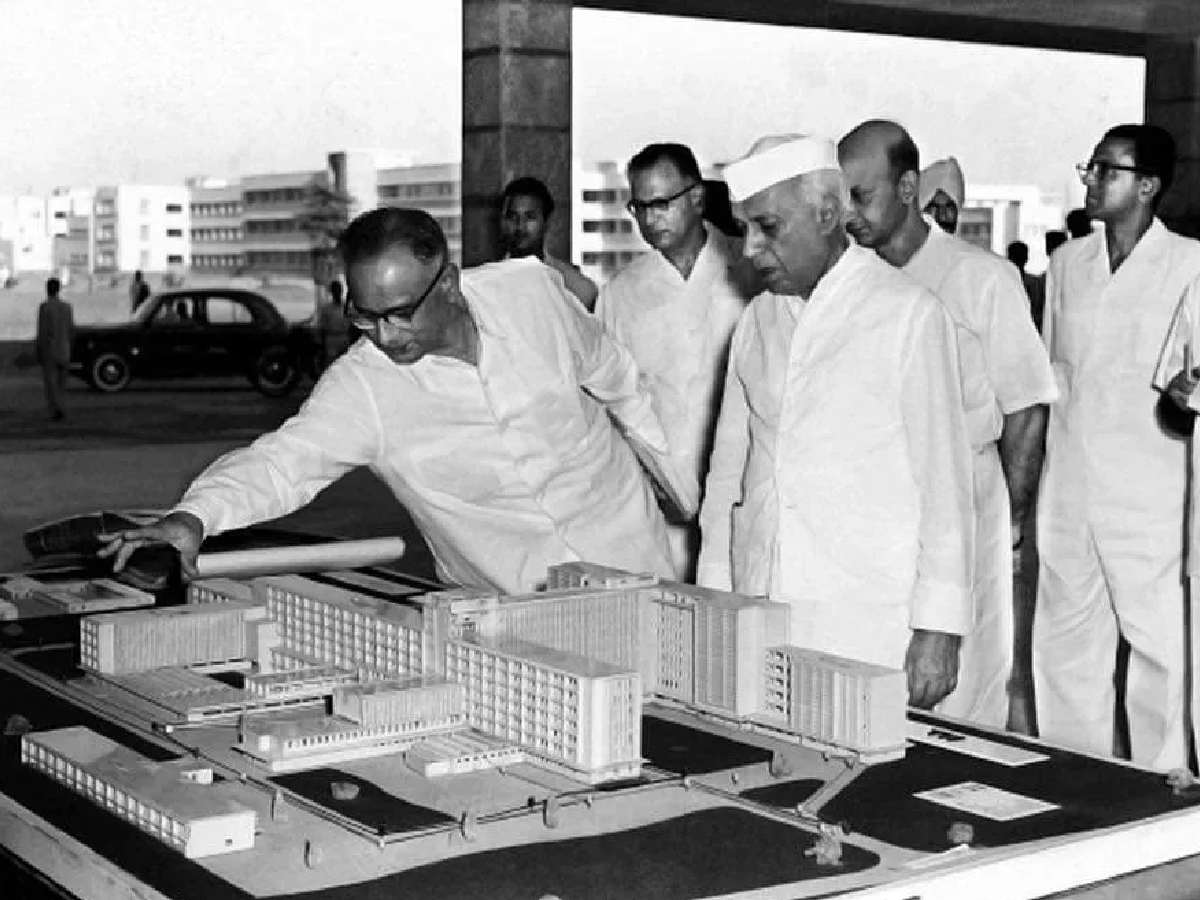
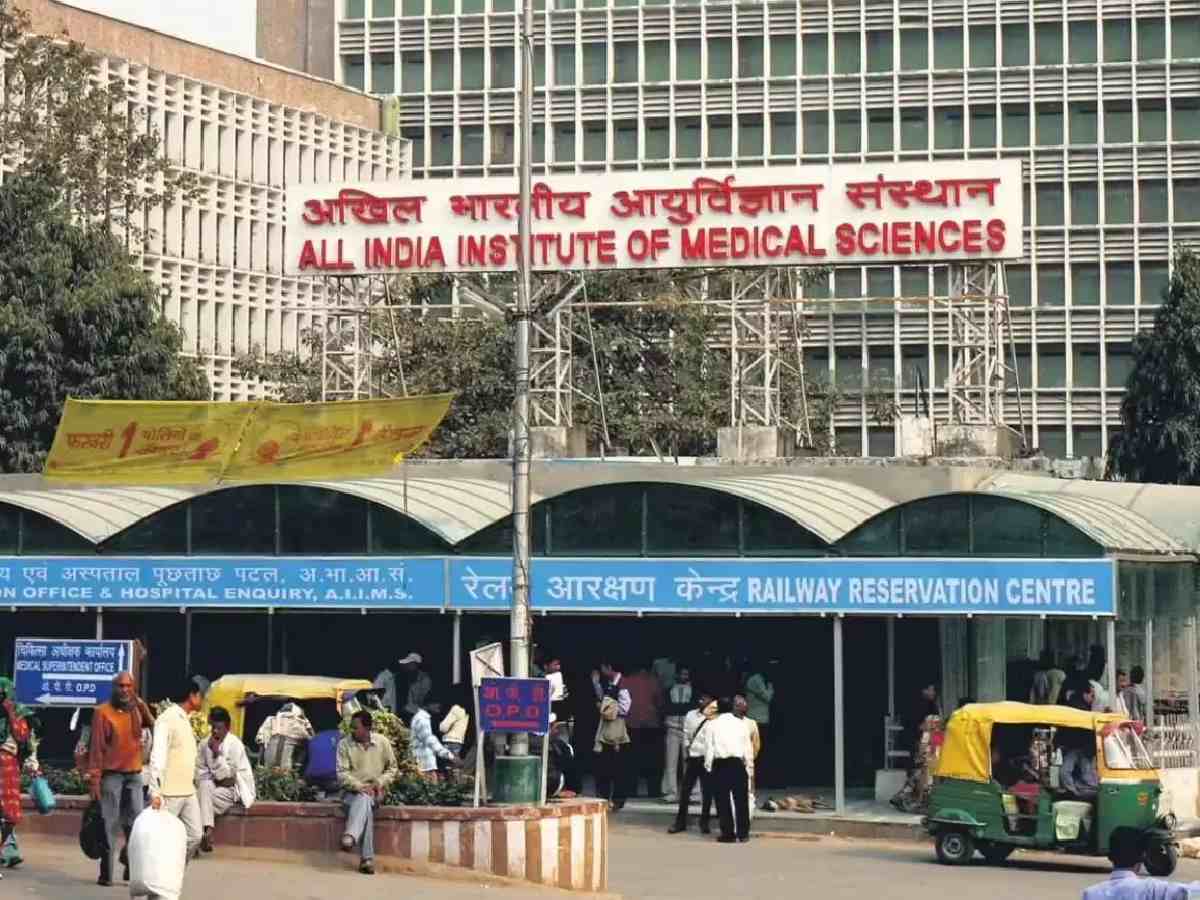
One of the most significant institutions associated with this vision is the All India Institute of Medical Sciences (AIIMS). Nehru dreamed of establishing a centre of excellence in medical sciences that could set new standards in education and research, while addressing the country’s growing healthcare needs. He found a strong ally in India’s first Health Minister, Rajkumari Amrit Kaur, who shared his commitment to the project. The foundation stone of AIIMS was laid in 1952, and the first batch of MBBS students began classes on September 25, 1956. Nehru inaugurated its main building on February 26, 1961.
The emphasis on building a modern nation extended beyond healthcare and scientific research to the preservation of India’s cultural heritage. Nehru understood that the country’s development also required institutions that could safeguard its artistic and historical legacy. The National Museum, now located on Janpath, was conceived in this spirit. It was initially inaugurated at Rashtrapati Bhavan on August 15, 1949, by Governor-General C Rajagopalachari. Nehru laid the foundation stone of its present building on May 12, 1955. The first phase was formally inaugurated on December 18, 1960, by Vice-President S Radhakrishnan. The museum has since become an important repository of India’s artistic and cultural history.
Nehru’s ambitions for the Capital also extended to its emergence as a venue for international gatherings. This became particularly important when India was preparing to host UNESCO’s Ninth General Conference in 1956. The country needed infrastructure that could accommodate delegates and dignitaries from across the world. Vigyan Bhawan, built in 1956 and designed by CPWD architect RL Gehlote, was conceived as a major convention centre for national and international events. The conference opened there on November 5, 1956, with Nehru addressing the gathering.
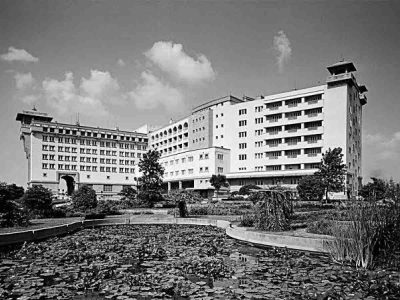
The preparations for the conference also led to the construction of the Ashoka Hotel. Nehru wanted Delhi to have a world-class hotel where visiting heads of state and other dignitaries could be accommodated. The hotel, built in 1956, was thus part of the larger effort to give the Capital the infrastructure required to host international visitors. Together, Vigyan Bhawan and Ashoka Hotel reflected India’s growing engagement with the world and its aspirations to play a more prominent role in international affairs.
Holistic learning
While institutions such as AIIMS and Vigyan Bhawan addressed the needs of a developing nation, Nehru also took an interest in creating spaces for its youngest citizens. He believed that children’s education should extend beyond the classroom, giving them opportunities to explore their creativity and develop their personalities through play and other activities.
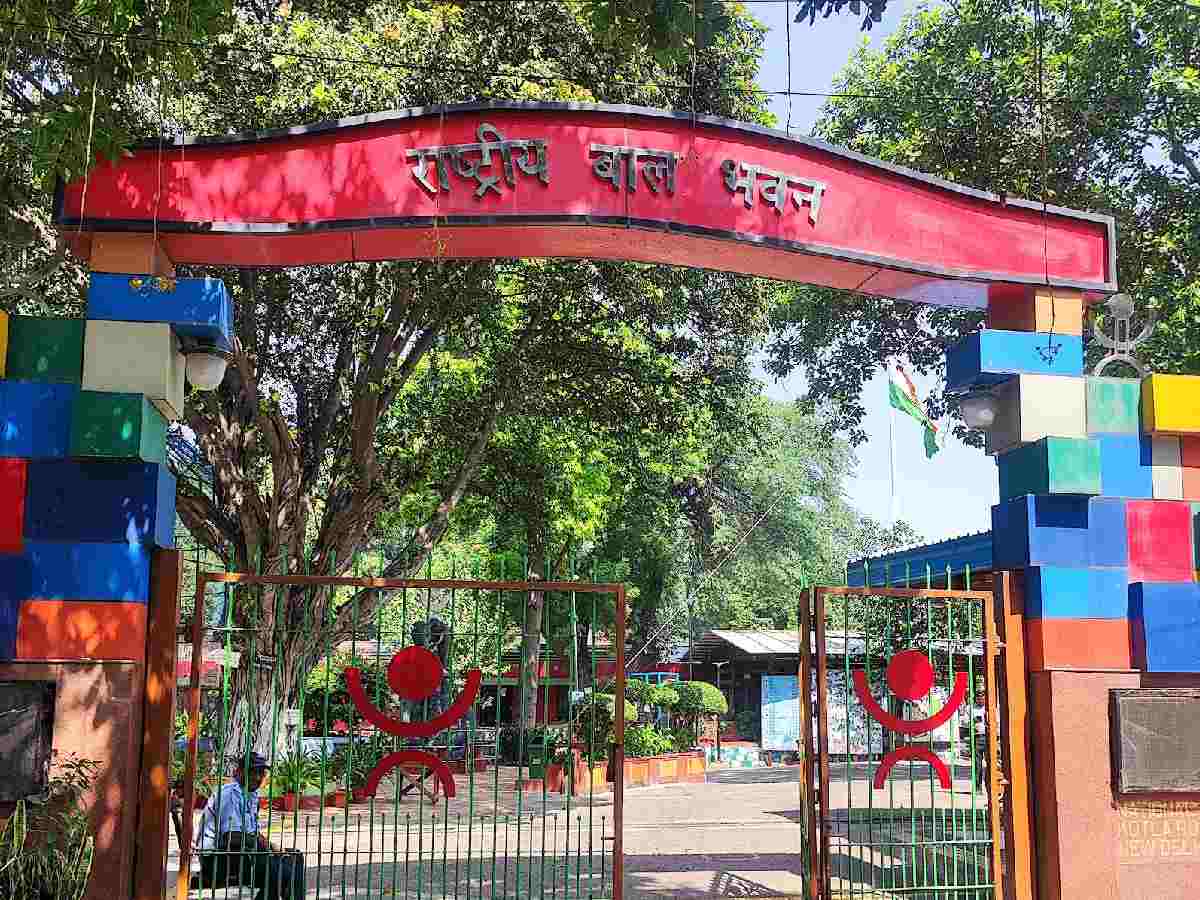
The idea for National Bal Bhavan took shape following Nehru’s visit to the Soviet Union in the early 1950s. There, he had seen a children’s institution where young people could immerse themselves in creative activities, games and imaginative pursuits. The experience inspired him to establish something similar in India. Nehru founded Bal Bhavan in 1956, with its initial activities taking place in a modest building at Turkman Gate. The institution was dedicated to providing children with opportunities for creativity, imagination and self-expression outside the confines of formal education.
The emphasis on nurturing young minds was accompanied by an equally strong focus on developing India’s scientific and technological capabilities. Nehru believed that economic self-reliance would remain elusive without a strong pool of homegrown scientists, engineers and technologists. This thinking found expression in the expansion of the Indian Institutes of Technology. IIT Delhi began as the College of Engineering and Technology in 1961.

Its foundation stone at Hauz Khas had been laid by Prince Philip, Duke of Edinburgh, on January 27, 1959. The institution was formally inaugurated on August 17, 1961, by Professor Humayun Kabir. It was subsequently accorded IIT status in 1963.
A city of arts and ideas
Alongside scientific and educational institutions, Delhi was also developing spaces dedicated to the arts, cultural exchange and intellectual engagement. The National Gallery of Modern Art, for instance, was formally inaugurated on March 29, 1954, by Radhakrishnan in the presence of Nehru. Its establishment reflected the government’s commitment to promoting modern Indian art and providing artists with a national platform.
Other institutions, including the India International Centre, Triveni Kala Sangam and the Department of African Studies at Delhi University, also came up during this period with Nehru’s support. In the cases of the India International Centre and Triveni Kala Sangam, he intervened to facilitate the provision of land for these institutions.

The India International Centre was conceived as a meeting ground for intellectuals, scholars and people from different parts of the world. Nehru was closely associated with its establishment and was involved in selecting its location. The Centre would go on to become an important space for international dialogue and cultural exchange in the capital.
Triveni Kala Sangam, meanwhile, emerged as a space for artists and performers to exhibit their work and organise cultural activities. Social worker Vidya Ben Shah once told this writer that she and Sundari Shridharani had approached Nehru to request land for a building for the institution. During their very first meeting, Nehru reportedly instructed his staff to allot the land without delay. Shridharani’s initiative and Nehru’s support helped the institution secure its place in Delhi’s cultural landscape.
Nehru’s interest in strengthening India’s engagement with the wider world was not confined to cultural institutions. The Department of African Studies at Delhi University was established in December 1954 at his personal initiative. He formally inaugurated it on August 6, 1955. The department was envisaged as a centre for developing greater awareness of Africa and fostering intellectual and diplomatic ties between India and the continent. Its establishment reflected Nehru’s belief in the importance of solidarity and cooperation among newly independent nations.
The enduring legacy
Walking through Delhi today, one can still encounter reminders of this formative period. Some are in the form of foundation stones, while others survive as commemorative plaques and inscriptions. They record the names of people who laid foundations, inaugurated buildings and dedicated institutions to the nation. More than that, they offer glimpses of the ambitions that shaped the capital in the early decades after independence.
“Nehru’s contribution to Delhi should not be measured only by the number of buildings associated with his name or tenure. His larger contribution was to give a newly independent country the confidence to invest in education, science, healthcare, culture and children,” says author Sunil Negi.