A regulatory overhaul is underway in India’s scientific laboratories, one that could significantly change how animals are used in research. Issued under Section 17 of the Prevention of Cruelty to Animals Act, 1960, the Ministry of Fisheries, Animal Husbandry and Dairying notified the draft Prevention of Cruelty to Animals (Control and Supervision of Experiment, Breeding and Trading of Laboratory Animals) Rules, 2026. Published in The Gazette of India on October 6, these rules are slated to replace two existing regulations: the 1968 rules and the 1998 Breeding of and Experiments on Animals Rules.
Shift in approval powers
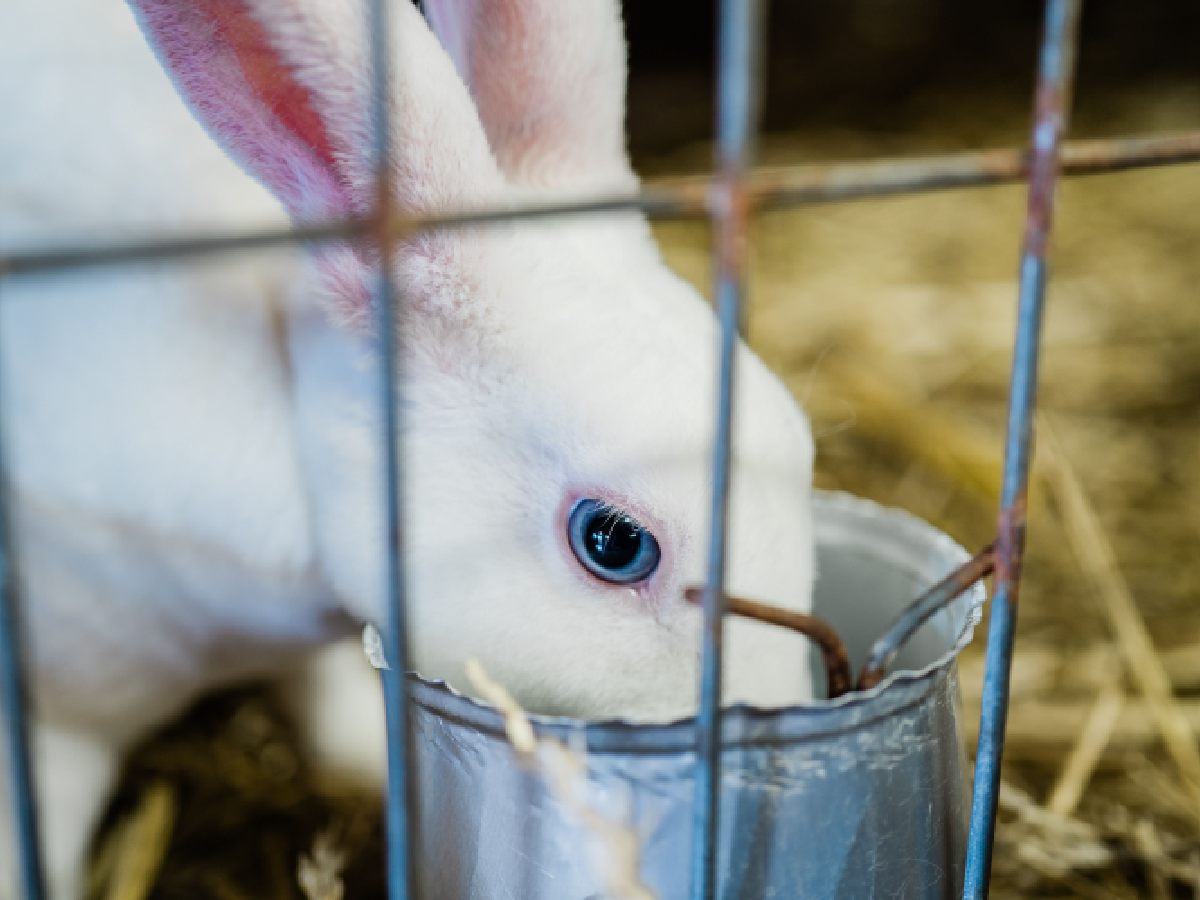
For decades, the Committee for Control and Supervision of Experiments on Animals (CCSEA) served as a central regulatory check for invasive and higher-order animal research. Under the existing apparatus, committees within the institutions, known as Institutional Animal Ethics Committees (IAECs), were authorised to approve only routine protocols primarily up to rodents and lagomorphs (mice, rats and rabbits), while larger animal-related studies faced strict national scrutiny.
The 2026 draft re-engineers this jurisdictional boundary. Under Rule 11(3), the official notification states that establishments conducting experiments defined as mild and moderate will submit applications to the IAEC Member Secretary for decision-making, and the central regulatory body will not be referred to. Central CCSEA clearance will only be needed for severe and non-recovery experiments on animals above the category of rodent and lagomorph. This shifts the dividing line of state interference from species classifications to subjective severity classifications.
Also Read: Chawri Bazar tragedy: inspected in June, collapsed in November
Concerns have been raised about how these severity determinations are assigned. Under Rule 11(10), the draft mandates: “The animal(s) to be used for experimentation shall mandatorily be certified by the Veterinarian of the IAEC to the effect that the experiments are mild, severe, moderate or non-invasive in nature and the animal is fit for the desired experiment.”
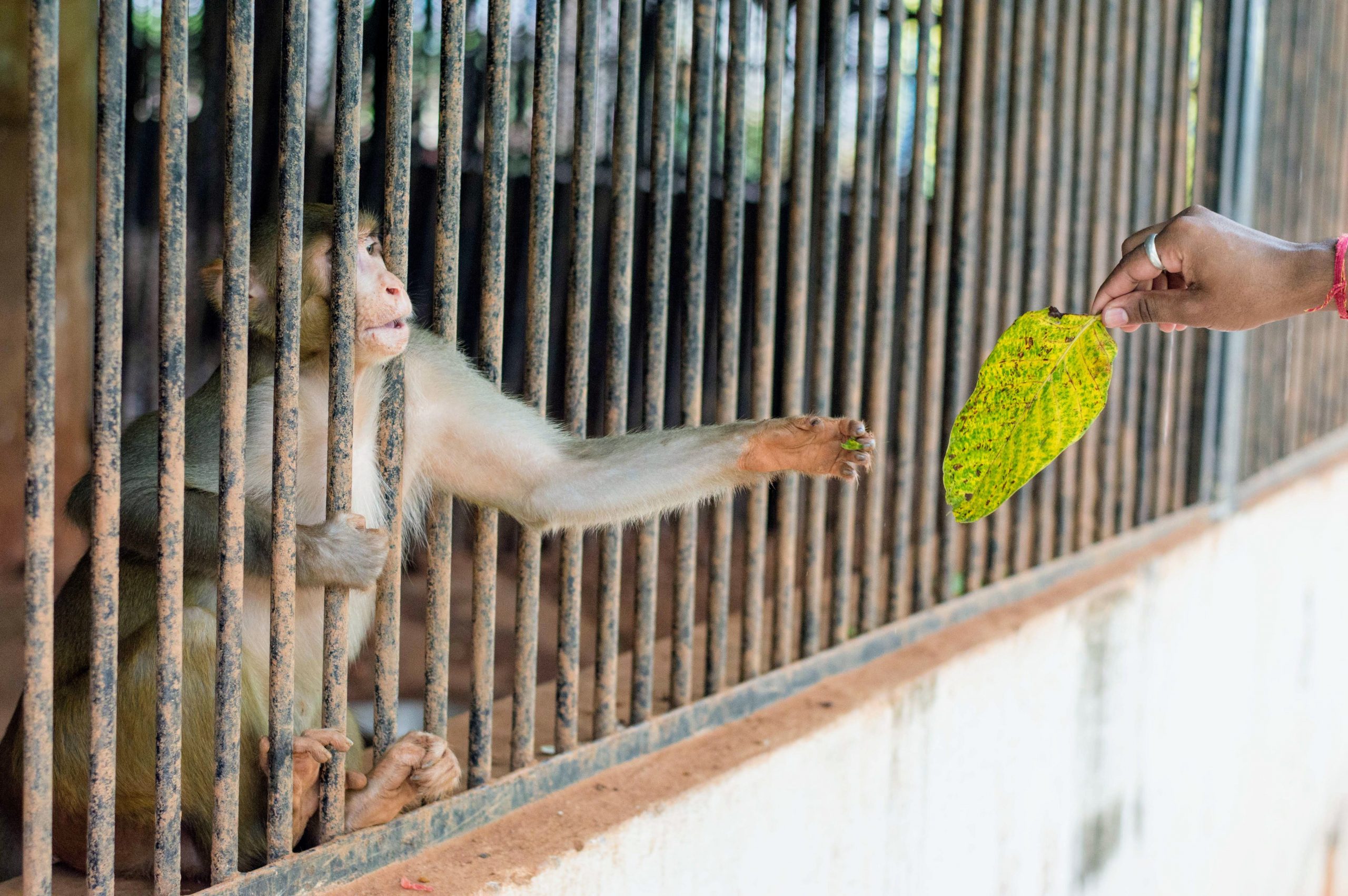
Sakshi Dewan, an animal activist and environmental influencer, views this structural shift as a major loophole waiting to be exploited. “What is drastically changing is that the threshold is now severity rather than species. But an institution’s own committee and in-house vet classify that severity, and that classification determines whether the central government ever intervenes. That self-referential loop is the core structural vulnerability of the draft, far beyond basic committee composition.”
The People for Animals Public Policy Foundation (PFAPPF) also highlighted potential loopholes in these provisions. “Five of the nine IAEC members would come from the institution itself, including the chairperson and the member secretary. Insiders hold the majority at any full meeting, and the committee can act with just two of the four outside nominees in the room. These are people who share labs, funding and promotions with the investigator whose protocol they are judging. That isn’t about anyone’s personal integrity. It is a plain conflict of interest. Worse, the severity of an experiment is certified by the institution’s own veterinarian, so the people who want approval also decide whether CCSEA ever sees the protocol.”
Stray and wild animals
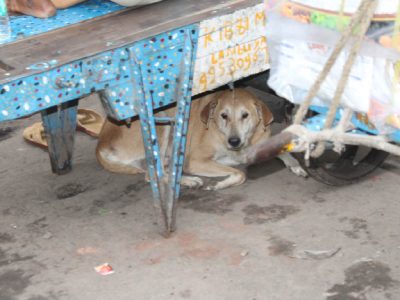
One aspect of the gazette notification concerns the legal boundary separating domestic pets and community street animals from research laboratories. While the draft articulates a general prohibition against using domestic strays, the exception nested within the clause is seen by some to weaken this barrier.
The draft allows animals to be taken from the wild if a “Competent authority of the relevant department grants exemptions based on scientific justification…” In both cases, the draft does not identify who the competent authorities are, establish criteria for what constitutes a valid “scientific justification” or specify mechanisms of municipal trapping or containment.
Also Read: Strike at JNU: 500 contract workers demand fair wages, job security
“A flat ban is easy to enforce because any street dog in a lab is a violation. An exemption means every such animal arrives with paperwork. Community dogs and cats have no owners to come looking for them, and once there is a paying buyer and a legal cover, a supply chain will follow”, the PFAPPF pointed out. They emphasise how wild animals are at direct risk of trafficking. Further, they state that the fear of loved community dogs being picked up for lab testing violates public trust and urge the government to drop the exemption altogether.
Break with norms
Historically, Indian laboratory frameworks insisted that experimental subjects originate exclusively from registered, secure breeding facilities. This system was designed to guarantee animal health baselines, documented pedigrees, and humane pre-transport holding standards.
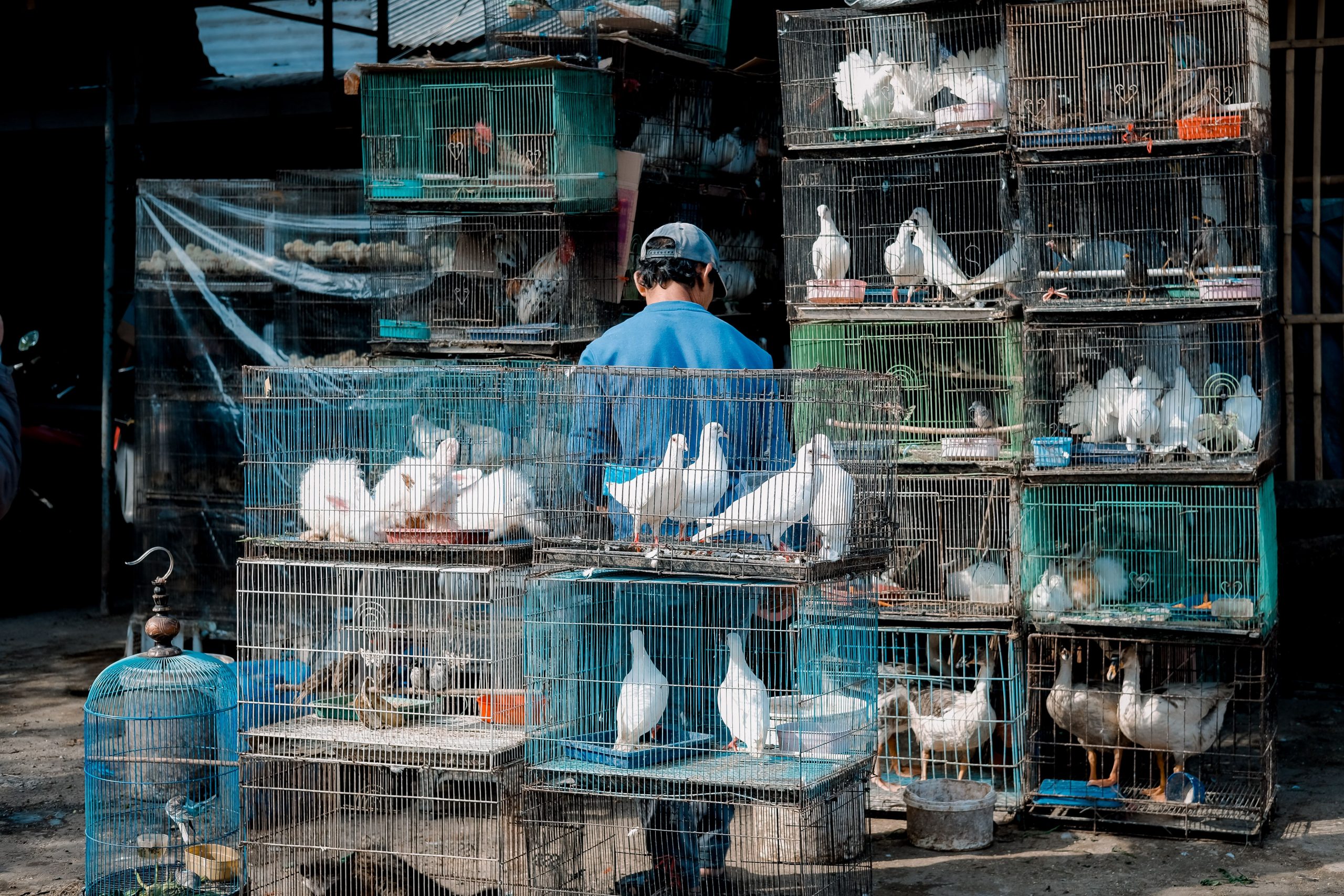
The 2026 rules break with this norm, stating that in the event of non-availability of a particular kind of livestock, farm animal, fish and birds, organisations may procure from non-registered breeders with prior approval of the IAEC.
Critics argue that procuring live subjects from open cattle fairs, unregulated livestock markets, or informal vendors raises concerns about ethical accountability.
The foundation has also highlighted the rule that imposes upon arrival quarantine and stabilisation check, as a quarantine only assesses whether an animal is carrying acute pathogens upon arrival at the loading bay. “Anyone who has seen how goats, sheep and poultry are moved through our markets knows what that journey looks like. It is poor science as well. Animals with unknown genetics and health histories produce variable data, and variable data means more animals to reach a reliable result. Registered breeding exists precisely to prevent all of this.”
The procedural bypass
The draft introduces a detailed tiered classification, standardising experiments into ‘Non-recovery’, ‘Mild’, ‘Moderate’, and ‘Severe’. Yet, the application formats designed to enforce these boundaries reveal procedural loopholes. Researchers submitting applications are confronted with a question: does the protocol prohibit the use of anaesthetics for the conduct of painful procedures?
Rather than mandating anaesthesia as an absolute standard under all painful conditions, the administrative form normalises the prospect of performing distressing procedures without analgesia, requiring merely an applicant’s written rationale.
Stagnation of modern alternatives
PFAPPF pointed out the dilemma of such a draft: “If an institution can now approve a mild or moderate protocol through its own committee without any central clearance, the economic case for switching weakens overnight. Section 17 of the Prevention of Cruelty to Animals Act says animal use must be avoided wherever alternatives exist. A rule that makes animal use the easy option works against the very Act it is made under.”
Also Read: JNU hostels: seepage, broken windows, and a missing audit
To Dewan, this reveals an archaic regulatory approach that fails to push Indian science forward. “In jurisdictions like the US and the UK, formal roadmaps actively phase out animal testing by positioning New Approach Methodologies (NAMs) as the statutory default. In this draft, the questionnaire is decades behind. An applicant can simply state that no in vitro study currently exists, check the box, and proceed to experiment on live animals without ever explaining why their laboratory failed to invest in non-animal computational or tissue platforms.”
Resurrecting the educational dissections
Over the past decade, directives from the University Grants Commission (UGC) and the Pharmacy Council of India (PCI) phased out animal dissection across undergraduate and postgraduate biology courses, substituting virtual simulation suites and digital modelling.
Yet, Rule 4(6) explicitly lists “higher education, or professional training for the acquisition, maintenance or improvement of vocational skills” as a legally permitted ground for conducting live animal experiments.
Following this, new provisions allow an academic department’s internal committee to lock in five years of recurring live animal use in classrooms under a single authorisation. This approach could be seen to clash with the parent Act of 1960, which demands that experiments on animals are avoided wherever it is possible in medical schools, hospitals and colleges.
PFAPPF also notes how such measures desensitise students towards animals. “As for students, teaching young people that harming an animal is a routine part of learning tells them its suffering doesn’t matter. That is not what we want from tomorrow’s doctors, pharmacists and scientists.”