The Delhi Forest Department has advised religious institutions, temple committees and event organisers to use mechanical (robotic) elephants instead of live elephants during religious ceremonies and festivals, citing animal welfare and public safety concerns.
The advisory follows an appeal by animal rights organisation PETA India, highlighting the challenges of bringing captive elephants from different regions for events in crowded urban areas, according to a statement by the organisation.
The department has encouraged devotees and event organisers to adopt mechanical elephants as an alternative to live animals during processions and other cultural events.
PETA India welcomed the advisory, calling it a step towards protecting elephants and devotees.
“The Delhi Forest Department’s advisory is a compassionate and forward-thinking step that protects both elephants and devotees, and PETA India applauds it,” said Vikram Chandravanshi, senior policy and legal advisor at PETA India.
The organisation also urged the Union Ministry of Environment, Forest and Climate Change to encourage states to adopt robotic elephants in temples and for other activities, including film and photo shoots, weddings and tourist rides.
PETA India noted that captive elephants used in processions, rides and other events are often subjected to harsh training methods, including beating and chaining. It claimed that many elephants kept in temples and other facilities suffer from foot problems and leg wounds, inadequate veterinary care and a lack of natural living conditions.
The organisation cited figures compiled by the Heritage Animal Task Force, according to which captive elephants killed 526 people in Kerala over a 15-year period.
PETA India has also called for a nationwide ban on elephant rides, bathing experiences, selfies and other close-contact tourist activities involving captive elephants, following several incidents involving elephants and humans.
The organisation referred to the deaths of a tourist and an elephant at Karnataka’s Dubare Elephant Camp during a bathing session, as well as the fatal attack on a mahout by a captive elephant at Uttar Pradesh’s Dudhwa Tiger Reserve.
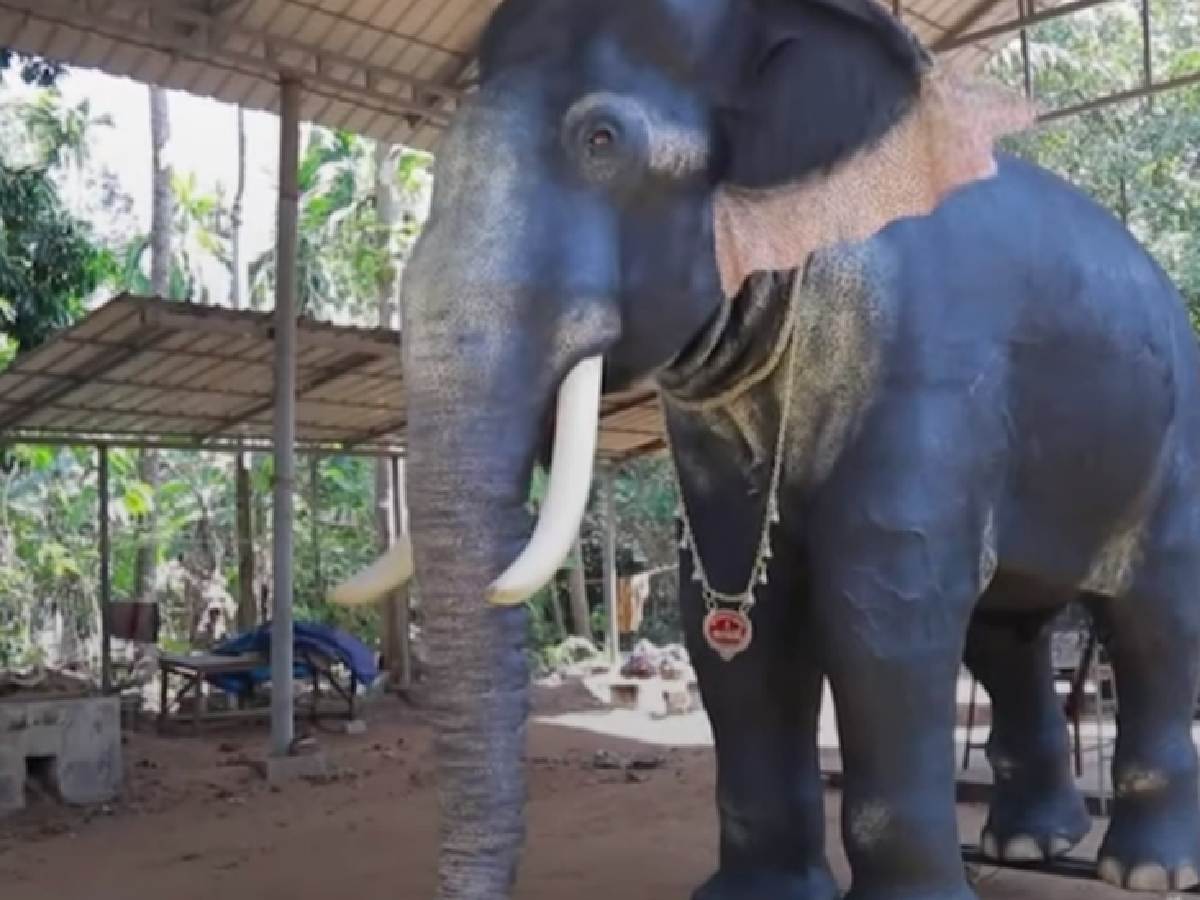
Mechanical elephants, which can mimic the movements of live animals, offer an alternative for cultural and religious events, PETA India said.
The robotic models are equipped with moving eyes, ears, tails and trunks and are mounted on wheeled bases. The organisation said such elephants are already being used by temples across India.
Kerala Tourism has also introduced a mechanical elephant safari at Thamboormozhi Butterfly Park. The initiative received PETA India’s Golden Elephant Protection Award in April 2026.
PETA India said mechanical elephants have additionally been used at a wedding, a political rally and in an advertisement.
Also Read: What 25 judgments reveal about civic accountability in Delhi
The organisation cited other initiatives aimed at reducing reliance on captive elephants, including the Telangana Forest Department’s introduction of a robotic elephant in June 2026 and Karnataka’s decision in September 2024 to support the use of mechanical elephants in government temples.
It also referred to the decline in elephant rides at Amer Fort and international measures restricting activities involving captive elephants.
PETA India said the Delhi advisory could contribute to wider efforts to protect elephants while allowing religious and cultural traditions to continue.