As October draws to a close, Delhi once again basks in the glow of festivities. Markets are overflowing with crackers, diyas and lights. But behind the celebrations lies another reality.
Within days, the lights will give way to air purifiers, homes will be sealed against the pollution, and air-quality readings will climb. Meanwhile, the city’s community dogs, domestic pets, birds and other wildlife will remain exposed.
For urban animals, Diwali can mean loud, unpredictable explosions, bright flashes and polluted air. The effects can extend beyond the immediate fright. Veterinary clinics, wildlife rehabilitation centres and neighbourhood rescue shelters report cases of panic, injuries and animals going missing during the festive period.
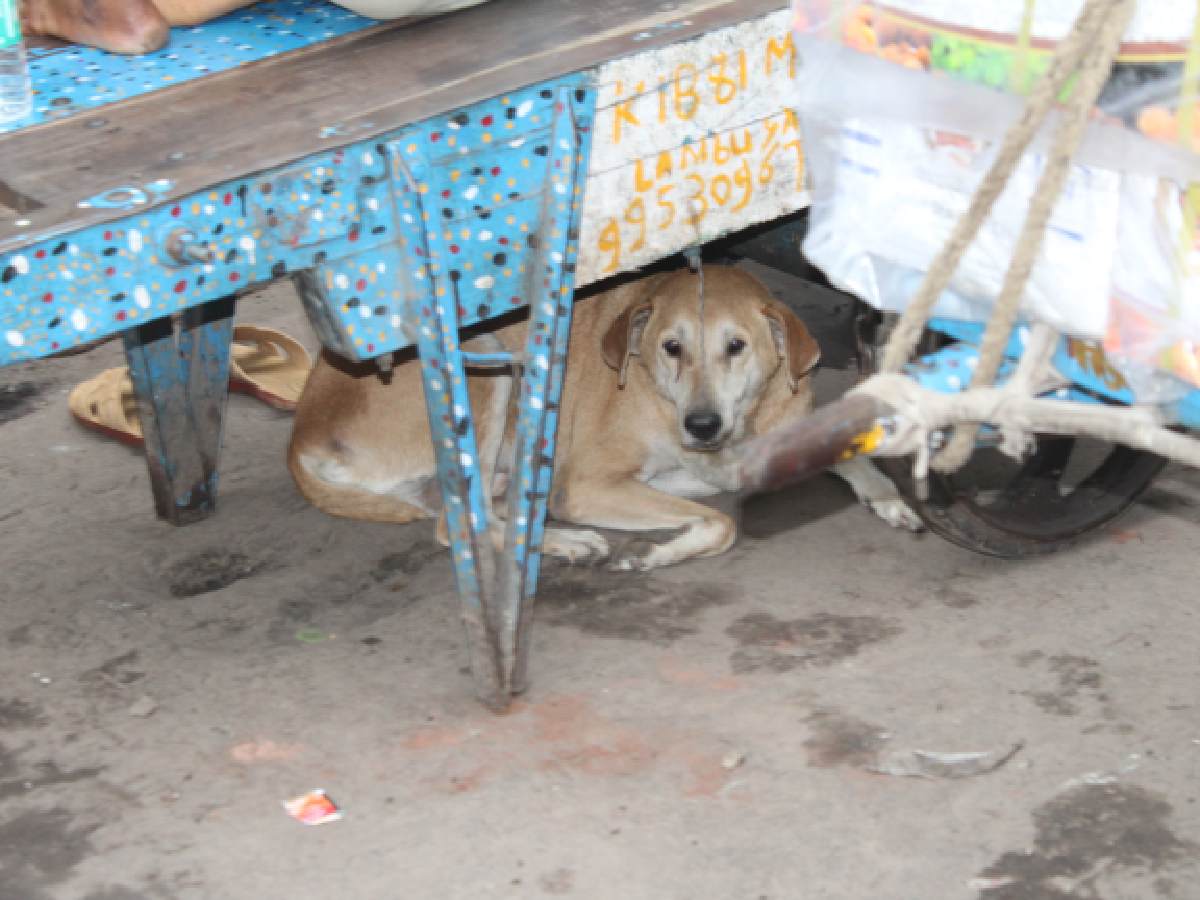
A city of vanishing strays
One of the immediate consequences of firecracker noise is panic-driven displacement. Dogs can be highly sensitive to sudden, loud sounds, and unpredictable bursts of fireworks can leave some frightened and disoriented.
Bhumika, a third-year BSc student who volunteers for biodiversity surveys and bird-counting projects with WWF, including the Delhi Bird Atlas (DBA), the Asian Waterbird Census (AWC) and the DDA Asita Monsoon Biodiversity Survey, describes what happened to a dog in her neighbourhood.
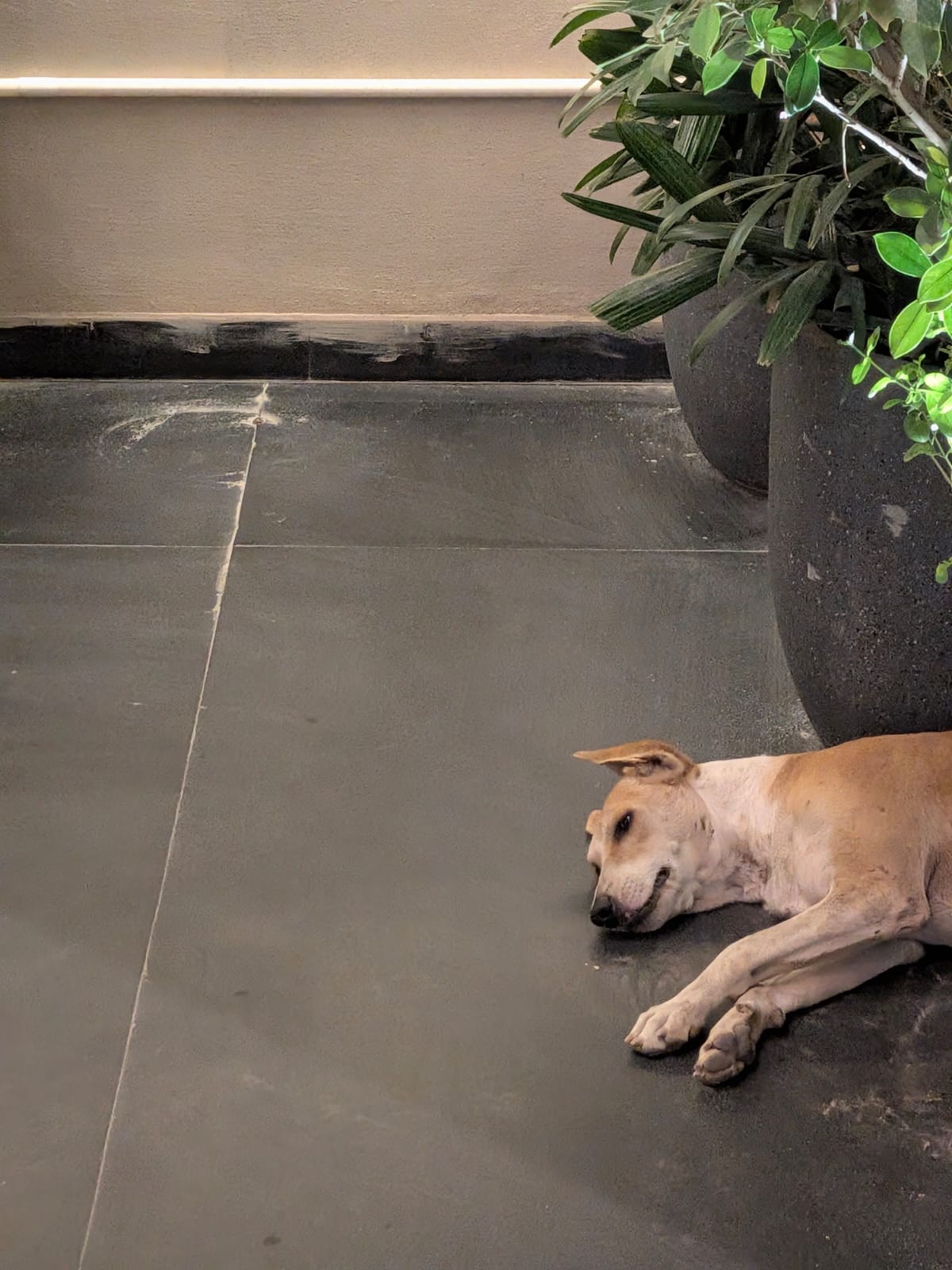
“Displacement is very common in both community and pet dogs. A case happened last year in our neighbourhood when an old female would rush inside houses in fear, and a family relocated her far off because of this behaviour. She was found 3-4 months later by a feeder in a jungle area, hiding in a dry cemented drain. She had severe bite wounds on her body and had gotten quite skinny.”
Also Read: Diwali melas: full stalls, thin margins
Dr RT Sharma of PAWS Animal Clinic says owners should take precautions to prevent frightened pets from bolting.
“Injuries only happen [when owners are careless]. In case their pets run away because of the crackers, they can get into accidents or get lost from the house.”
“My advice is to keep them indoors, especially dogs who are very scared and insecure.”
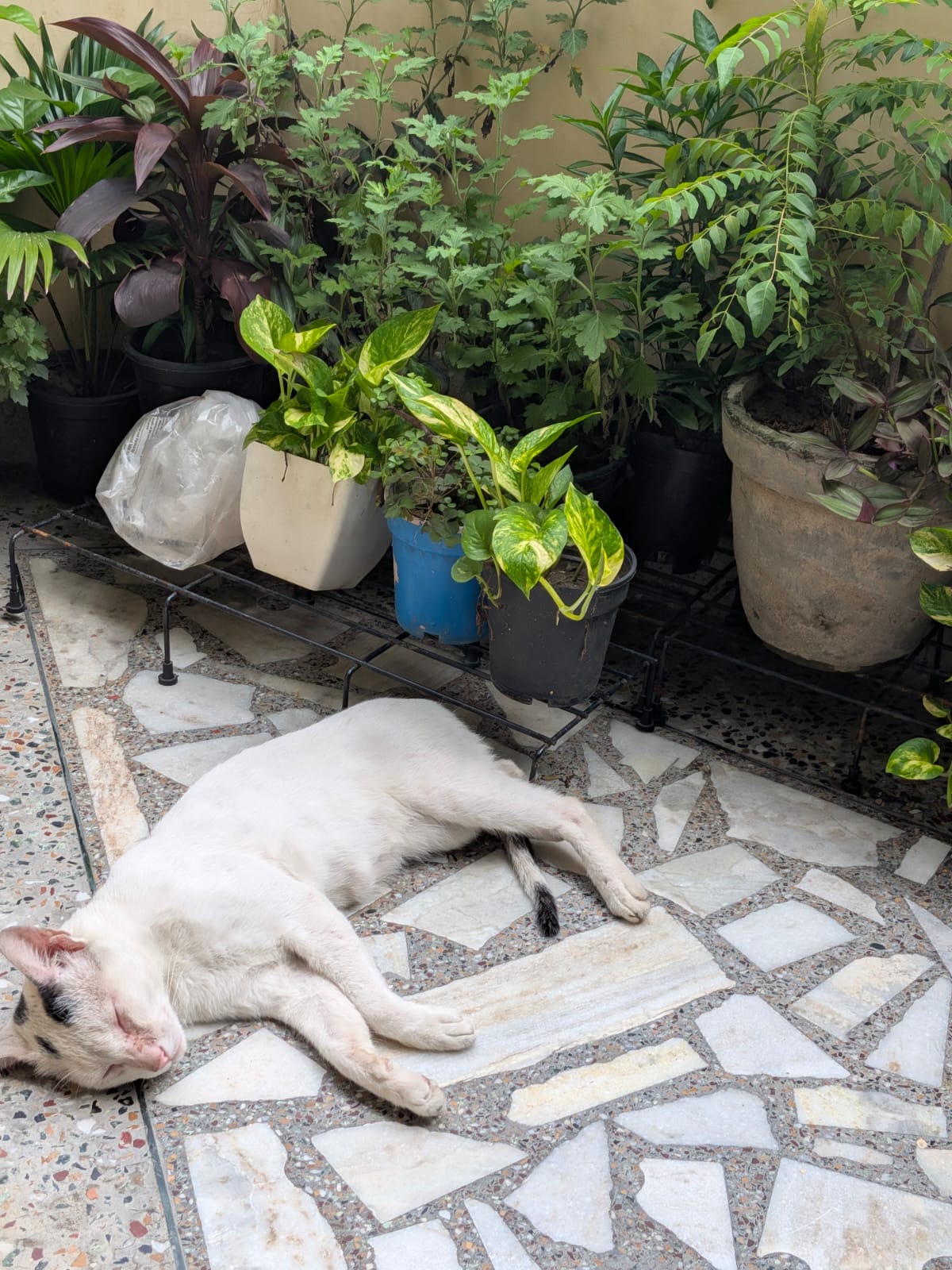
Community dogs may also seek refuge around residential buildings. Dr Sharma urges residents to let them shelter in peace.
“Indie dogs are used to these rough conditions, but obviously, people throw crackers on them. If they are hiding around your house somewhere, let them stay there overnight. They should spend their night safely instead of being shooed away.”
when scared
Terrified runaways and territorial fights
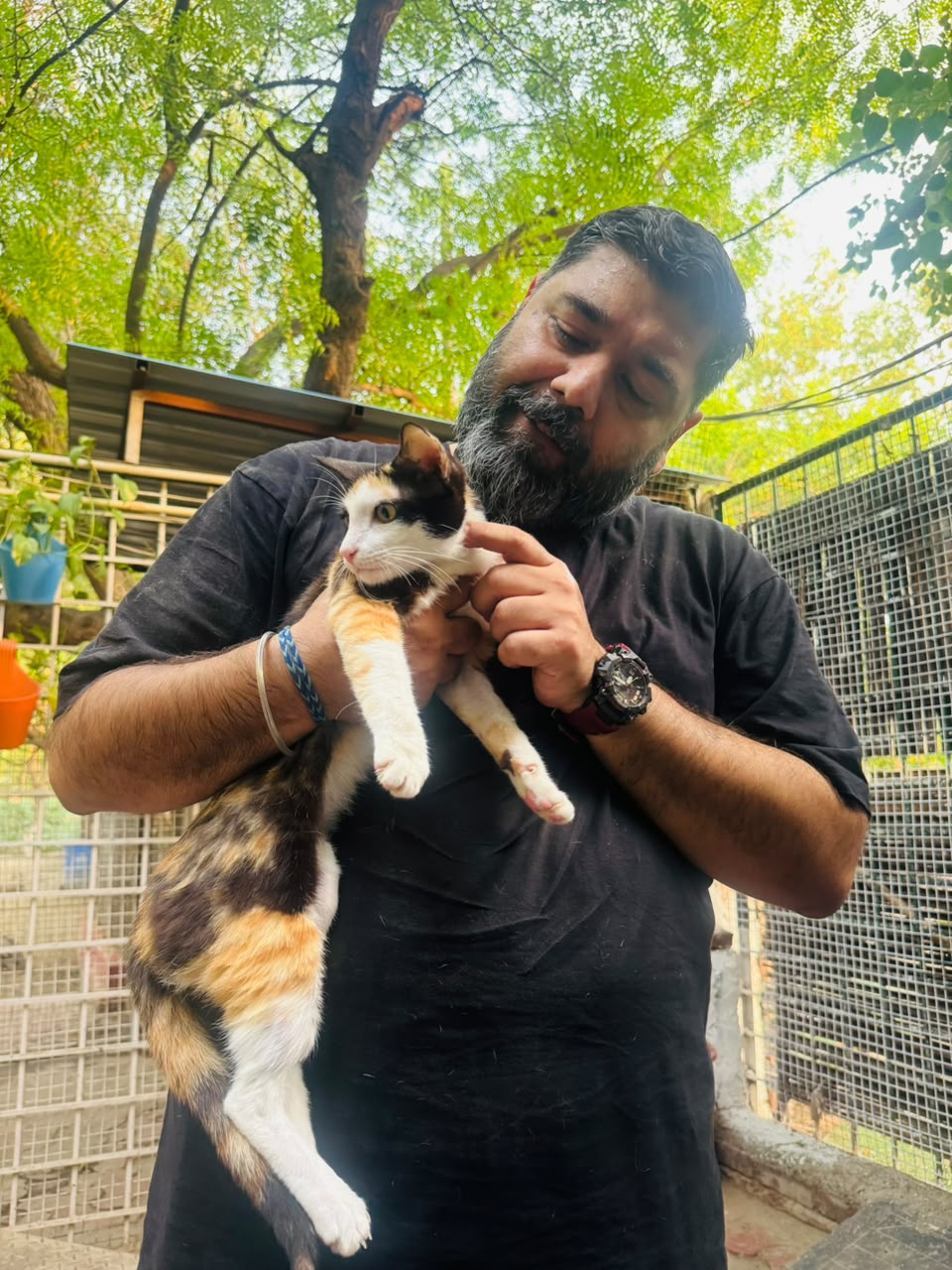
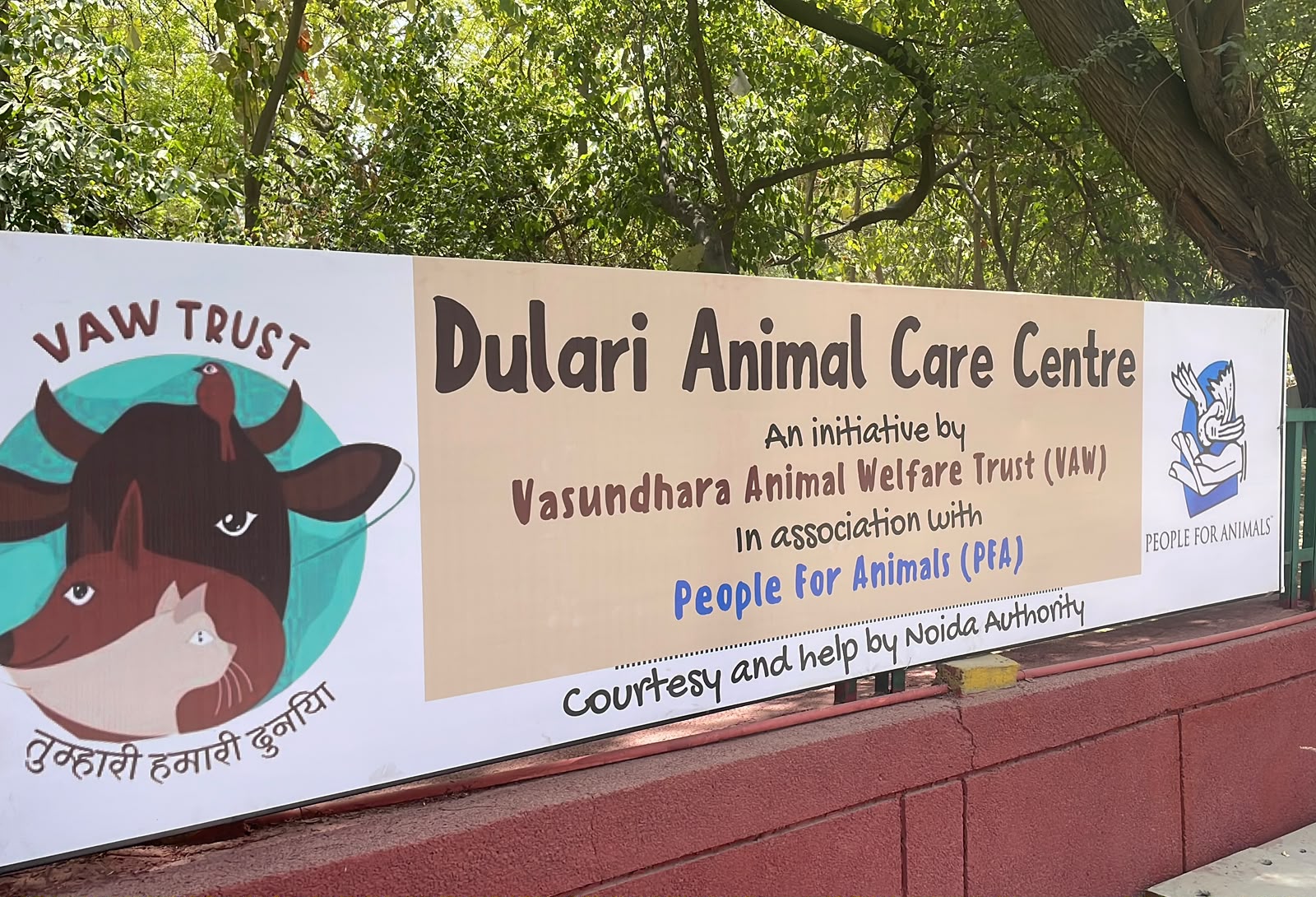
Gaurav, chairperson of the Noida-based animal-welfare NGO Dulari, says dogs frightened into unfamiliar neighbourhoods may encounter territorial fights and suffer injuries. He also reports an increase in wounds infested with maggots during the festive period.
“When these dogs run away from their location, they land up in fights with the dogs in other territories. And they also cause a lot of injuries. There are a lot of maggot-wound dogs coming in this season, only because they get into quarrels with dogs in a different territory and their wound is not attended to on time because they are not in their respective location where the feeders take care of them. And then the wound gets worse, and the maggot-wound cases exponentially increase during this period.”
Also Read: Delhi’s cricket clubs await new sports law for elusive DDCA membership
Animal-welfare groups also encounter cases of deliberate cruelty during the festive season.
“There are also sometimes cruelty cases which come,” Gaurav recounts. “I have myself rescued a dog who was subjected to cruelty, whose tail was cut off because firecrackers were put on its tail.”
Caretakers across Delhi-NCR sometimes fit community dogs with reflective collars bearing phone numbers to help lost animals find their way home. Feeders also try to maintain regular care routines during the festive period, but panic, traffic and deliberate cruelty remain risks.
Rescue shelters under pressure
Feeders who want to protect animals from firecracker noise may seek temporary accommodation for them in shelters, many of which have limited space. Gaurav says organisations must balance requests to take in healthy dogs with the need to reserve room for injured animals.
“We never say no to taking in any injured animal during that period of time. But healthy dogs, we obviously try to make people understand: if we take in all the healthy dogs, what will happen to the injured dogs?”
Injuries and underlying health problems
Dorothy Ghosh, founder and managing trustee of the Kalyani Animal Welfare Foundation, says fear and burn injuries are among the problems her organisation encounters around the festive period.
“There are burn cases, and the second one, which happens a lot, is that they get terrified and suffer panic attacks,” Ghosh says. “They get lost, or hide out of fear. Bringing them out of that trauma becomes very difficult.”
Also Read: Is the momo edging out the samosa in Delhi?
Ghosh also points to health problems that may go undetected in community dogs, which often lack access to routine veterinary examinations.
“In street dogs, there are hidden issues,” Ghosh observes. “Unlike shelter dogs or pets who have regular blood tests, street dogs live on the road. Conditions like diabetes and heart diseases are very common among them, and they go undiagnosed. When crackers suddenly start bursting, they can suffer heart attacks.”
Pollution and the risks of scavenging
The effects of fireworks extend beyond noise. Firecrackers release fine particles and chemicals, including metals used to produce their colours.
Bhumika warns that the resulting smoke can harm animals and other vulnerable populations.
“The toxic smoke from crackers does harm all animals and human babies as their respiratory systems are more sensitive,” Bhumika warns.
Also Read: Behind the uniform: Delhi Police’s social media push
Smoke and debris can pose additional risks when residue collects on animals’ bodies.
“When the smoke and debris get collected on their legs and paws, dogs, cats and cows try to lick them off which causes them to vomit. Moreover, that debris alone can contribute to skin infections in these animals, including birds.”
Festive food waste poses another hazard, as animals may forage for unsuitable food discarded on streets.
“While the sound of bursting crackers lowers the appetite of animals, the most common things they can find to eat are sweets and chocolates during festivals, which causes itching, skin problems, fur shedding (during the onset of winters), and stomach-ache,” Bhumika explains.
Wildlife in the Capital
At Dulari in Noida, Gaurav says the organisation has treated animals other than dogs.
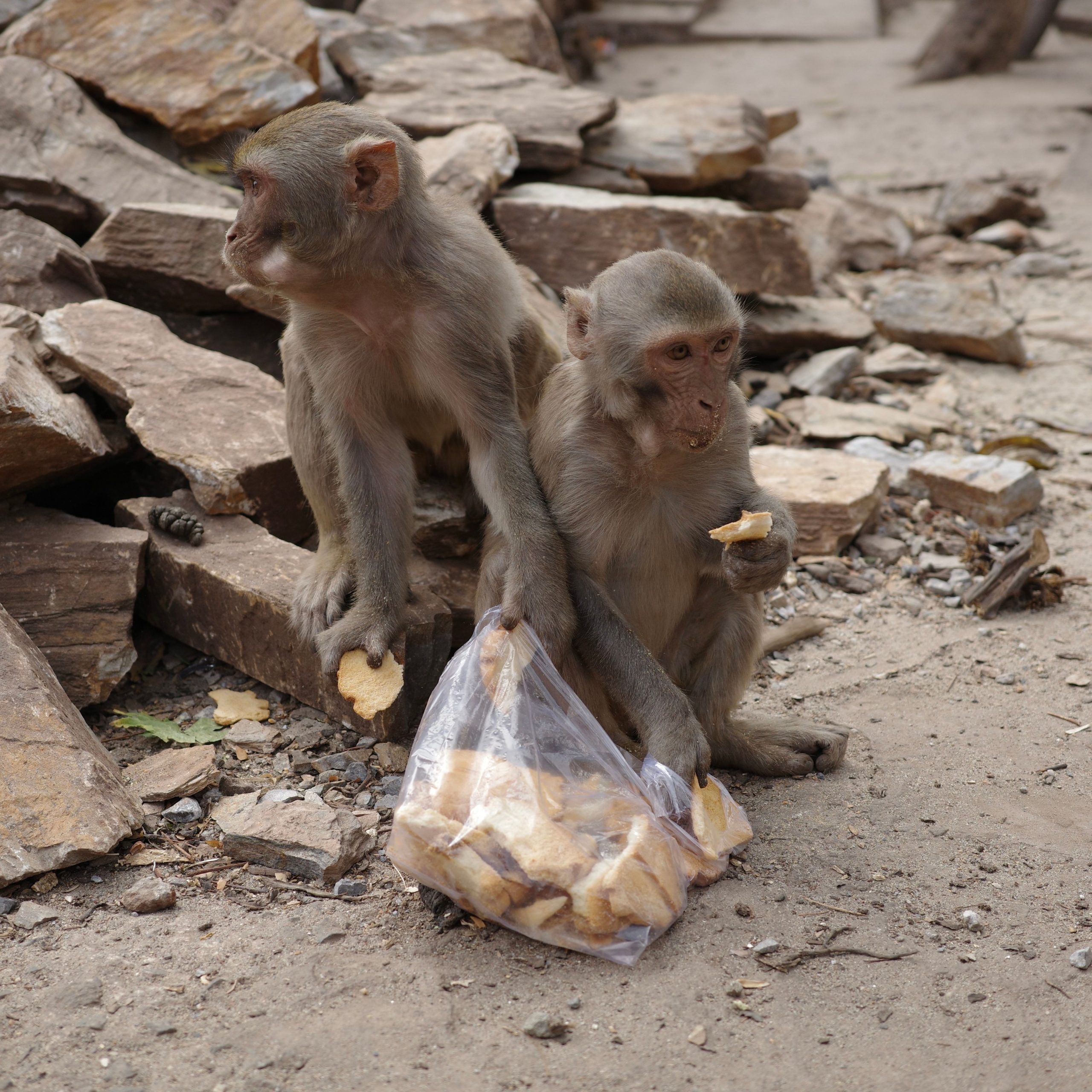
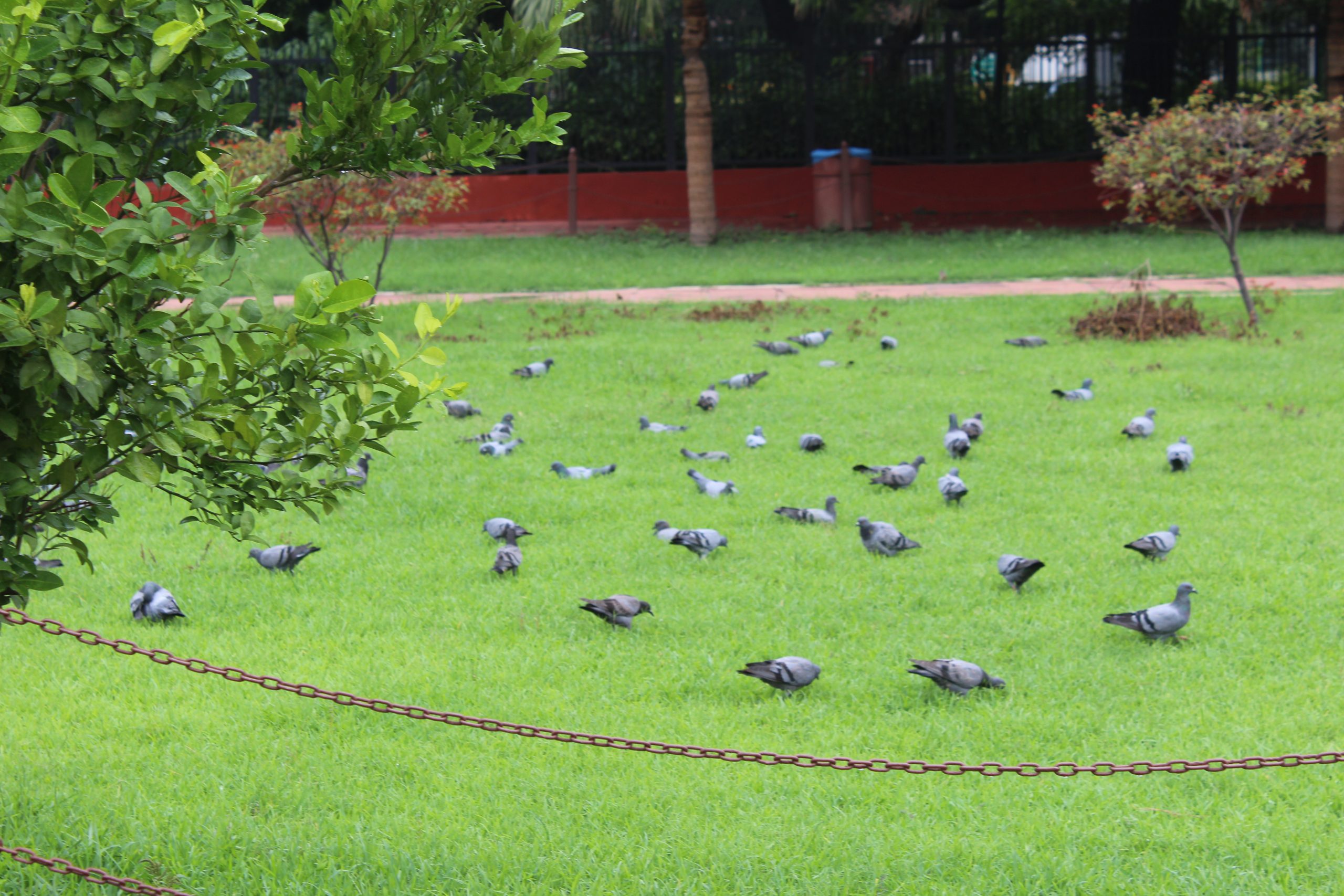
“There are monkey cases — burned charred bodies of monkeys which come to us,” Gaurav reveals. “We have cured them and released them back successfully. The same thing happens with cats also. Even sometimes the pigeons land up at our place. A lot of time because of the shock — the noise — they go into trauma. Birds also get affected.”
Sushil Jain, founder of the non-profit Bail a Tail, points to snakes as another group of animals affected by the disturbances associated with fireworks.
“Diwali crackers create problems for domestic animals, but in wildlife, snakes come out due to the vibrations of the crackers,” Jain points out. “Snakes don’t hear any sound, but due to pollution and vibration, they emerge from their burrows.”
Also Read: Behind kitchen doors: Delhi restaurants and meaning of sustainability
Bhumika says the impact on insect populations can have consequences for birds that depend on them for food.
“Since this toxic smoke leads to a massive drop in insect populations, insectivorous birds like drongos and baby sparrows suffer even more, causing them to starve to death. And they get sick or even die if they feed on those dead toxic insects.”
She also raises concerns about birds being disturbed from their nests during the festive period, putting their young at risk.
“For birds, they flee away from their nests due to the sound of crackers, causing their newborns and fledglings to die in fear and hunger.”
First aid and community compassion
When an animal suffers a burn, prompt veterinary attention is essential. Ghosh advises people to prepare for emergencies and seek professional help quickly.
“You must keep emergency medicines ready. Coordinate with local feeders who know what medicines are needed to apply immediately for burns. There are homeopathic remedies that provide cooling relief, which you can apply. But take the animal to a vet as quickly as possible so that proper dressing and injectable antibiotics can be administered.”
Bhumika urges people to avoid firecrackers and help animals find safe places.
“First and foremost, stop bursting crackers,” Bhumika urges.
She also cautions that so-called green crackers do not eliminate noise. Residents who can do so can provide frightened animals with a safe place to shelter.
Also Read: Starting over: Sumit Arora takes the leap from theatre to cinema
“Green crackers still do not suppress the noise. Those who can, please try accommodating animals inside your house as per your capacity. Spreading awareness, especially among kids, is effective as well. Early in the morning after Diwali, say around 5 am, feed the animals around you to avoid them from scavenging trash. They are relaxed and the hungriest during that time.”
Ghosh makes a broader appeal for tolerance towards community dogs and the people who care for them.
“Society needs to be a little compassionate. Keep stray dogs inside the gate when crackers are bursting. If everyone starts creating a ruckus asking why dogs have been let inside, that is wrong. Families living in flats must show a little compassion during that time. If you can’t help, at least don’t harass the feeders who are trying to keep them safe.”
As Diwali approaches, Delhi’s challenge is not limited to tracking air quality on digital dashboards. It also lies in how residents treat the animals that share their streets, courtyards and green spaces. Fireworks may last only a few hours, but the fear, injuries and disruption they cause can have consequences long after the celebrations end.