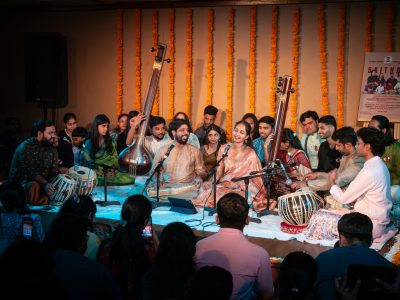
The capital’s premier classical music festival, colloquially known as ‘Shankarlal’, returns this year from March 6 to 8. What began as a small private gathering for music lovers has evolved into one of India’s most respected and prestigious platforms. Entirely self-funded, the festival remains completely free.
A dream that shaped Delhi’s music culture
The Shankarlal Festival was born from the vision of Uttar Pradesh-born Sumitra Charat Ram. After marrying industrialist Charat Ram of the Shriram family, she used her financial resources to support her passion for music.
Sumitra Charat Ram not only founded what is today the Shankarlal Festival but also established the Bharatiya Kala Kendra, a teaching institution that continues to stand tall. Remarkably, its faculty included stalwarts such as Ustad Hafiz Ali Khan (father of Ustad Amjad Ali Khan), Ustad Wahid Khan (uncle of Ustad Vilayat Khan), Pt Shambhu Maharaj (uncle of Pt Birju Maharaj), and the Dagar brothers, among others.
Following Independence and the abolition of the Princely States, many maestros were deprived of their traditional means of livelihood. The institution offered them not just sustenance but also the opportunity to share their art with audiences in the capital.
Meenaakshi Das, Mrs Charat Ram’s granddaughter and a member of the organising committee, said: “Dadi (Mrs Charat Ram) never learnt music, but her love for it made her initiate Jhankar in 1947.”
She explained that Jhankar was an organisation that periodically held music soirees. Growing up at Banaras Hindu University (BHU), where her grandmother learnt Hindi, and waking up to Ustad Bismillah Khan’s shehnai were formative influences. Attending Banaras’s famous ‘Gulab bari’ (the seasonal festival of singing Holis on boats on the Ganga) also left a deep impression.
“After marrying into the Shriram family, she met stalwarts like Baba Allaudin Khan, Pt Ravi Shankar and Ustad Ali Akbar Khan at the family’s Curzon Road mansion,” Das added, noting that these maestros were frequent visitors.
Jhankar eventually evolved into the Shankarlal Festival. Initially held in the open grounds where the Constitution Club now stands and later at the Modern School grounds, it gradually grew in stature.
Anita Singh, a veteran music patron, recalled: “In those days everyone knew everyone else; it was a much smaller gathering of listeners and there was such a festive air always. The food and drink arrangements were memorable too.”
When the Kamani Auditorium and the Shriram Bharatiya Kala Kendra were built, the festival shifted there. Though now largely held in the open grounds outside, much has changed over the decades — except the much-anticipated food arrangements.
A free platform for young listeners
In its early years, the festival was ticketed at the princely sum of Rs 2. For several decades now, however, it has been entirely free.
The rationale, says Chairman Shobha Deepak Singh, elder daughter of Sumitra Charat Ram, is that the younger generation should have the opportunity to hear maestros without financial barriers.
The festival remains a family-led affair, with younger daughter Gauri and granddaughter Meenaakshi Das actively involved in its organisation. Relationships with artists have gradually passed to the younger generation as well. This year, the festival concludes with a sitar recital by Ustad Shahid Parvez Khan, grandson of Ustad Wahid Khan.
A line-up blending youth and experience
As in previous editions, the curators have carefully ensured representation from across India and different gharanas.
Opening the festival will be Carnatic veena exponent Ramana Balachandra, who is not yet 25. He will be followed by 27-year-old Kirana and Gwalior gharana vocalist Siddharth Belmannu, whose playback singing has also drawn attention, though his classical concerts remain his core strength. The evening will conclude with a sarod recital by Pt Tejendra Narayan Majumdar of the Maihar gharana, who made his debut on this stage decades ago.
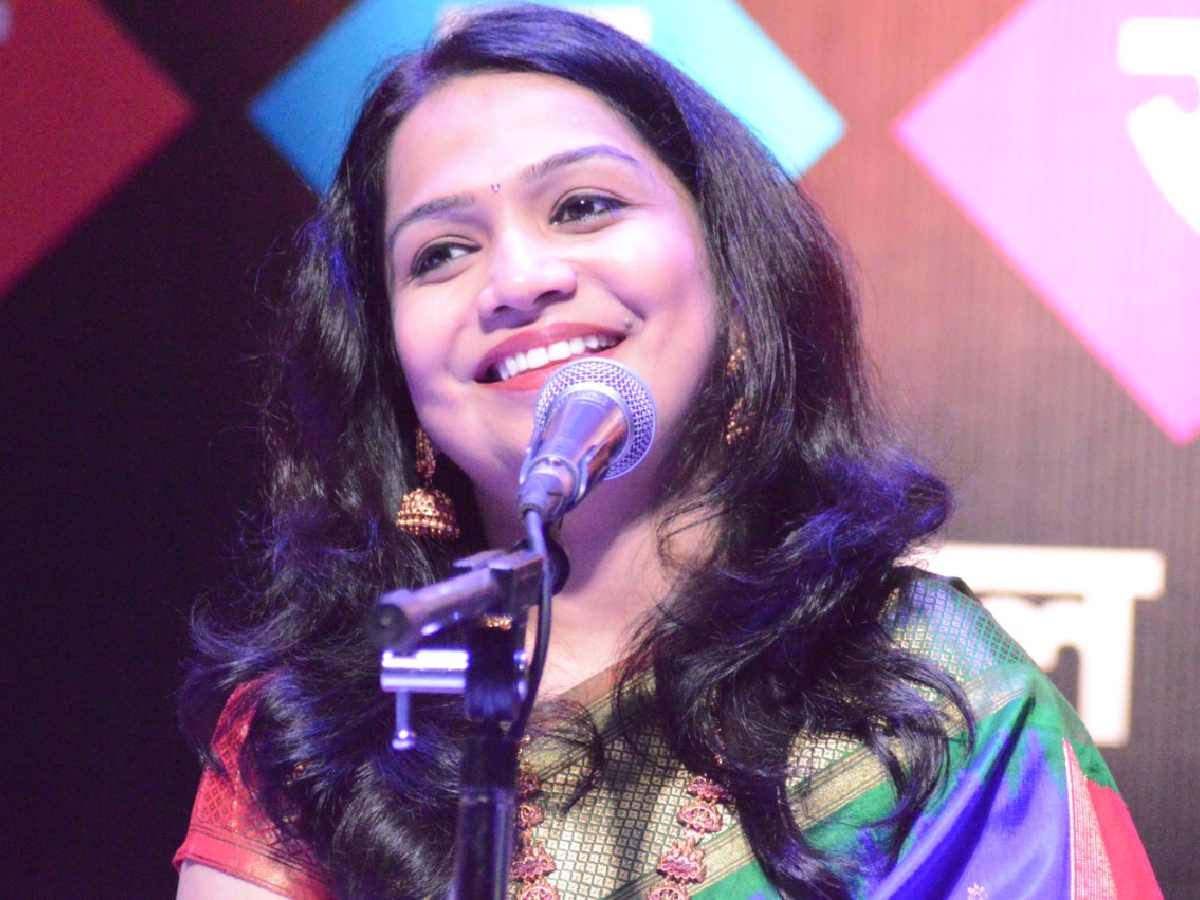
The second day will feature two artistes performing at Shankarlal for the first time. Pune-based Sawani Shende, representing Kirana and Gwalior gayaki, said: “It’s an honour to perform at Shankarlal that I have heard so much about, but never attended, even as a listener.”
She will be followed by Carnatic flute virtuoso Shashank Subramanyam from Chennai, who will present his first solo concert at the festival, having previously accompanied his guru Pt Jasraj on this stage. The evening will conclude with Pt Sajan Mishra, accompanied vocally by his son Swaranansh
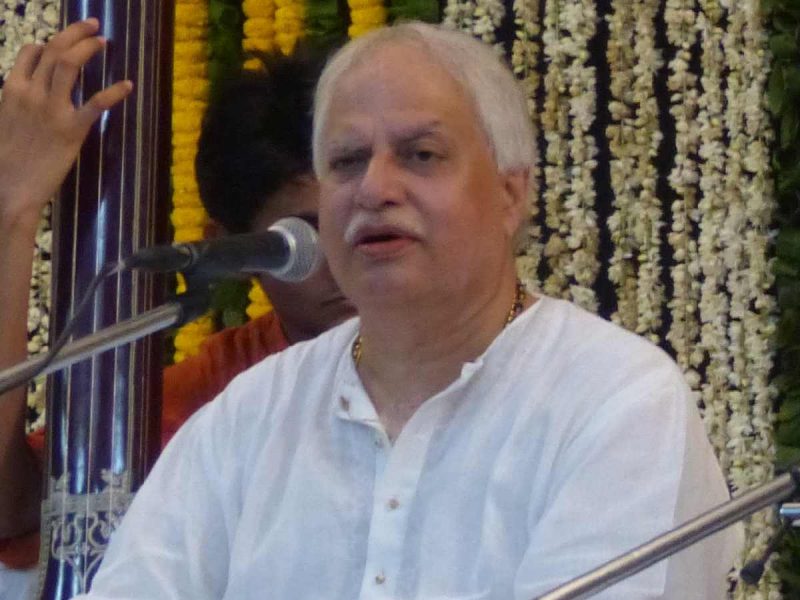
Sunday morning will feature vocalist Pt Madhup Mudgal and sarodist Pt Biswajeet Roy Chaudhury. Both are known for their rich repertoires and rare compositions, and morning ragas, which demand maturity of interpretation, are expected to be a highlight of their performances.
Sunday evening will open with Lokesh Anand on the shehnai. Recently, his playback on shehnai for the hit song in the movie Dhurandhar has drawn attention. He will be followed by Gwalior gharana vocalist Shashwati Mandal, who said: “Since my young days I have been hearing great music at Shankarlal and I am thrilled to now be performing on this stage.”
The festival will conclude with Ustad Shahid Parvez Khan, accompanied by Pt Anindo Chatterji from Kolkata.
Shankarlal will be held from 6 pm onwards at Kamani Auditorium, Copernicus Marg.