Mandi House is more than a cultural crossing in Delhi. It is a living ecosystem of theatre, music, dance, literature and long conversations that often begin before a show and continue well after the curtains fall. Between rehearsals, exhibitions and performances, the canteens and food spaces around Mandi House quietly keep this world running. Affordable, familiar and rooted in routine, these canteens offer more than meals. They offer pause, comfort, and community.
Here are five such canteens around Mandi House where food is closely tied to the artistic life of the area.
Sangeet Natak Akademi Canteen
Located inside the Sangeet Natak Akademi campus, this canteen serves food that is uncomplicated and comforting. The daily menu usually includes rajma chawal, chole chawal, kadhi rice, vegetable curries, dal, roti and seasonal sabzi. On some days, there are pulao or curd rice options as well.
The food is homely in taste and portioned generously, making it ideal for students and performers who need a filling meal between rehearsals. Tea and biscuits are constant companions for those waiting for classes or sitting outdoors in the campus lawns. The simplicity of the food mirrors the understated atmosphere of the space.
Triveni Kala Sangam Canteen
The Triveni canteen is one of the most iconic food spaces in central Delhi’s cultural circuit. Its menu brings together North Indian and South Indian comfort food. Regulars often order masala dosa, idli sambar, uttapam and filter coffee, especially in the mornings and afternoons.
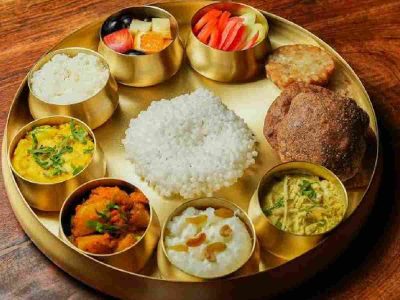
The North Indian offerings include thalis with dal, sabzi, rice and roti, along with snacks like cutlets, sandwiches and samosas. The tea here is a favourite, often enjoyed during long conversations after gallery visits. Surrounded by greenery and art galleries, the canteen feels like a space where food and creativity exist side by side.
National School of Drama Canteen
The NSD canteen is known as much for its atmosphere as for its food. The menu changes frequently but usually includes basic North Indian meals such as dal chawal, rajma, aloo sabzi, roti and occasional pulao. Maggi, omelettes, bread cutlets and chai are staples throughout the day.
The food is affordable and filling, designed to suit long rehearsal schedules. What adds to the experience is watching actors in costume lines, scripts spread across tables, and animated discussions unfolding over plates of food. Eating here feels like being inside a working theatre space.
Indian Coffee House, Mohan Singh Place
A short walk from Mandi House, Indian Coffee House remains a favourite among artists, journalists and students. The menu has stayed largely unchanged over the years. Popular dishes include masala dosa, plain dosa, cutlets, vegetable chops, omelettes, egg curry with rice, and simple North Indian meals.
The filter coffee is the highlight and is often ordered in multiple rounds. The food is modest, but the experience is rich with conversations that range from art and politics to cinema and social issues. The slightly dated interiors and uniformed waiters add to its timeless appeal.
Bengal Club Canteen (Banga Bhawan / Bijoli Grill)
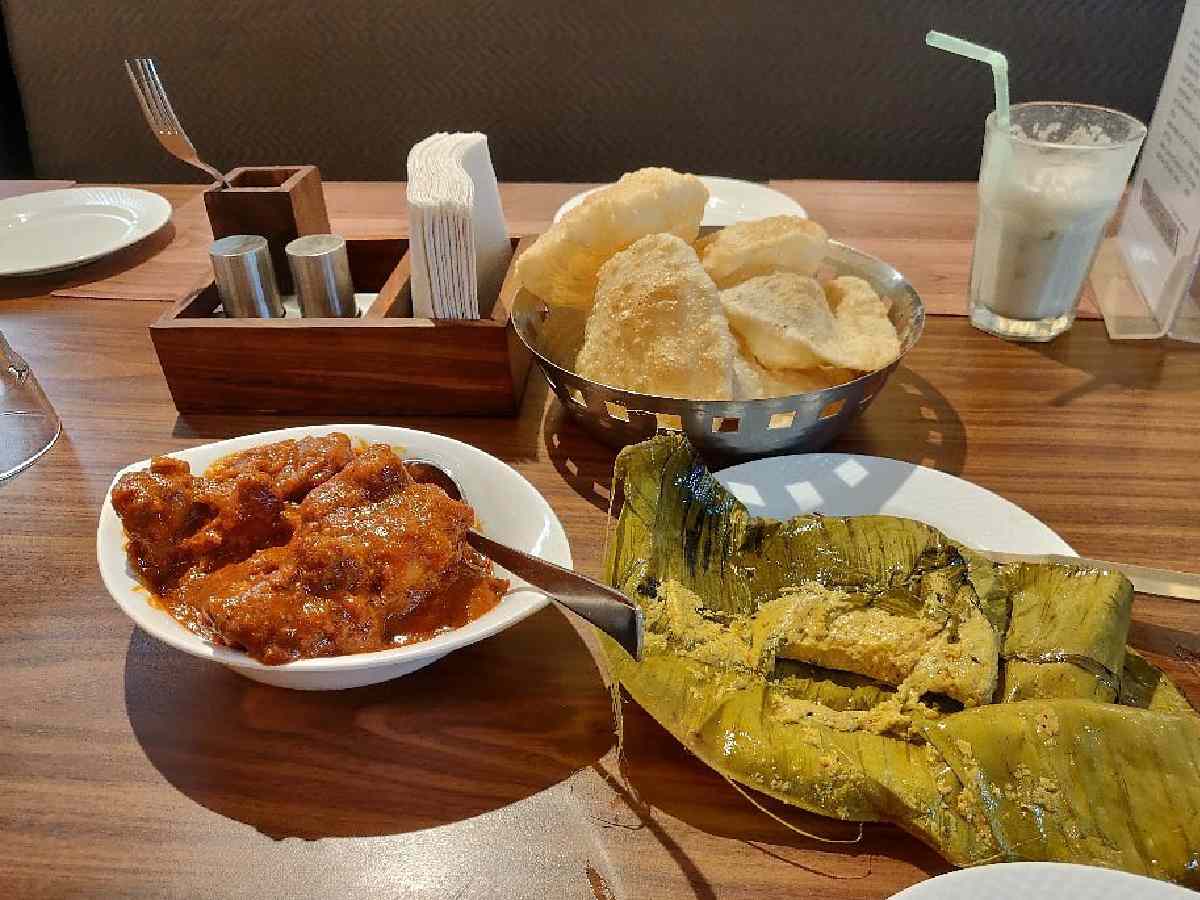
The Bengal Club canteen, often referred to as the Banga Bhawan canteen or Bijoli Grill, offers a taste of Bengali home-style cooking in the heart of Delhi. The menu includes rice-based meals with fish curries, mustard-flavoured gravies, vegetable preparations and dal. Dishes like fish fry, aloo posto, chorchori and seasonal Bengali vegetables are popular with regular visitors.
Also Read: Top indoor gaming spots to visit with friends in Delhi
Snacks and sweets inspired by Bengali cuisine also find a place on the menu from time to time. The food is flavourful but not heavy, making it ideal for leisurely lunches. The canteen often hosts cultural gatherings, discussions and small events, reinforcing its role as both a culinary and cultural space.
Where food, art and routine meet
What makes these canteens special is not elaborate presentations or experimental menus. It is their role in everyday artistic life. They feed bodies and conversations, support long hours of creative work, and offer spaces where people can slow down.
In a city increasingly driven by fast food and fast living, the canteens around Mandi House continue to hold their ground. They remain places where food is simple, time stretches, and art quietly breathes in the background.