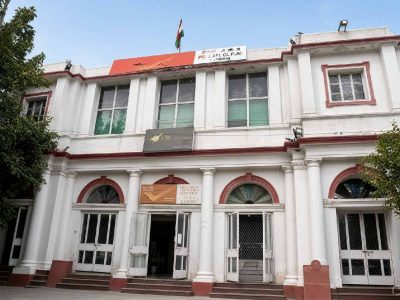
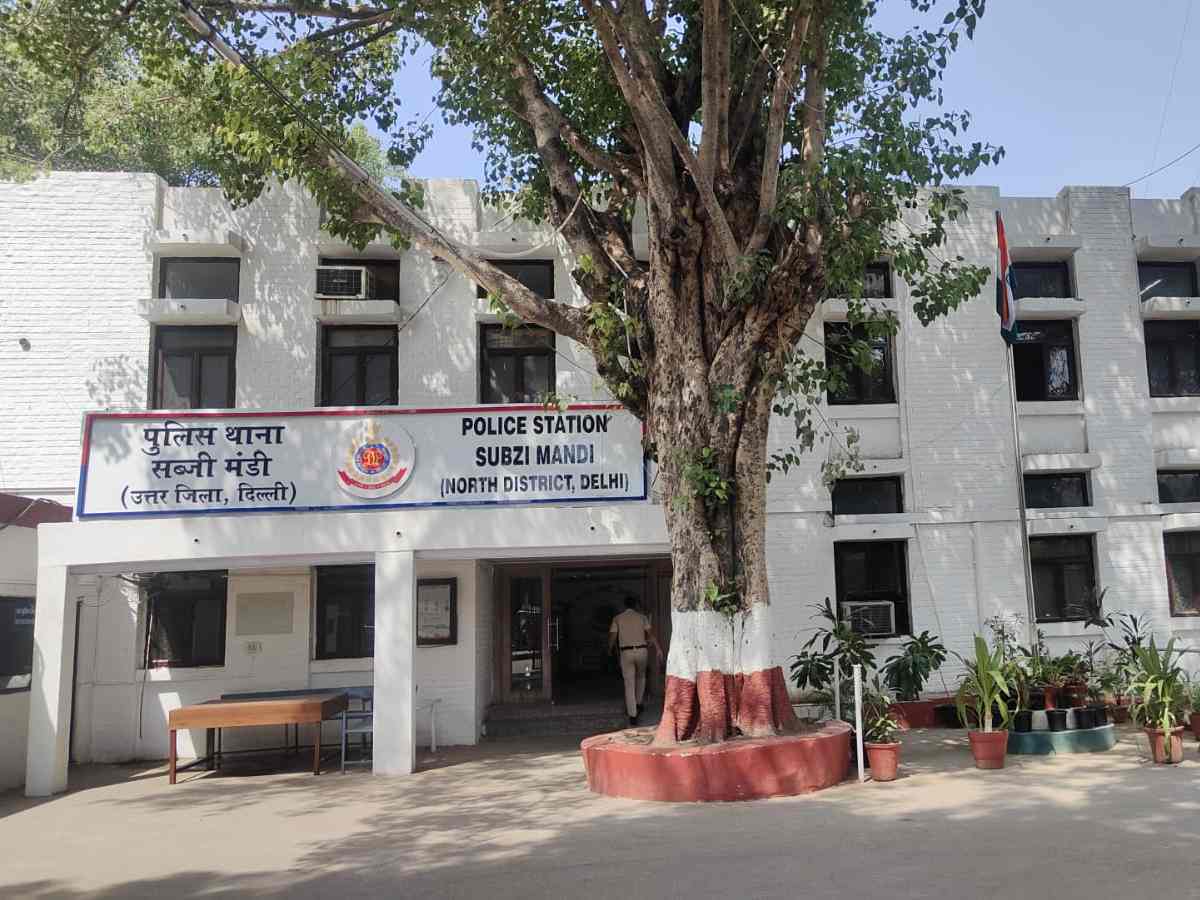
Even as Delhi’s first all-woman police station begins operations in Sabzi Mandi, the adjoining Sabzi Mandi Police Station has many “firsts” of its own.
It is among the oldest police stations established in Delhi. Its origins can be traced to the Indian Police Act of 1861, enacted by the British in the aftermath of the 1857 Revolt to create a structured police force.
The Capital’s first recorded FIR was registered here on October 18, 1861. It concerned the theft of household items — a hookah, utensils, and other goods worth about 45 annas (roughly Rs 2.80).
Police records from the 1860s to the early 1900s, preserved at the station, offer a window into colonial Delhi. They include cases of burglary, guest-house thefts, the theft of liquor and cigars from the Imperial Hotel in 1897, and other petty crimes.
Murder in broad daylight
After independence, one of the oldest reported murder cases here involved a local man named Kasturi. Kasturi was killed by Balu, a notorious criminal in the area, in 1955. “Both Balu and Kasturi were friends and part of the drug supply racket in the Sabzi Mandi area. They had a dispute over the spoils that led to the daylight murder of Kasturi,” recall old-timers of the Sabzi Mandi area.
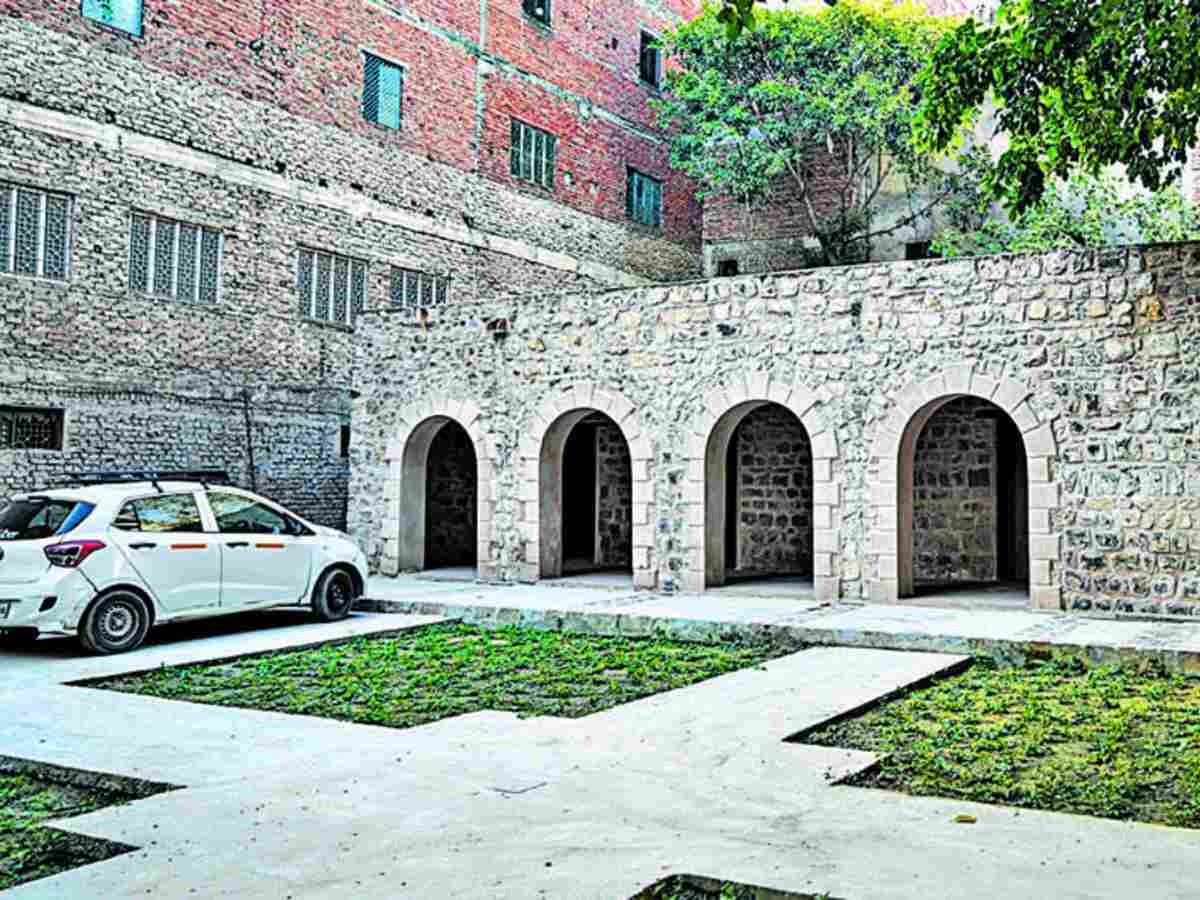
Two years later, Balu was himself murdered by a young friend of his in Kashmere Gate. Balu’s name is still remembered across North Delhi.
FIRs at the police station continued to be written in Urdu for years after independence. In its early years, records were maintained in Persian too.
During the late 19th and early 20th centuries, when Delhi was part of the Punjab Police administration (until it became India’s capital in 1912), the police station at Sabzi Mandi was quite prominent. “Sabzi Mandi, with its congested markets, narrow lanes, and diverse population of traders, labourers, and migrants, presented unique challenges of crowd management, theft, and public order,” says Braham Prakash, head of the Sabzi Mandi-based social organisation, Bhartiy Guru Ravi Dass Sangh.
Experts say policing Sabzi Mandi is not easy. The jurisdiction covers densely populated, mixed residential-commercial areas such as Kabir Basti, Roshan Ara Road, Malka Ganj, and parts of the old city. The Partition brought many refugees to these areas, adding to the challenge.
Recalls Prakash: “I vividly remember when Umrao Singh was the inspector of this police station. He was a very upright cop, and criminals were scared of him. He was tough and ruthless. He used to parade hardened criminals in the area and ask kids to spit on them. During his time, Sabzi Mandi became a peaceful area.”
Memories of 1984
The 1984 anti-Sikh riots marked perhaps the most challenging period in the police station’s history. Situated in a sensitive area with significant Sikh populations in Kabir Basti and Punjabi Basti, the Sabzi Mandi Police Station recorded between 25 and 37 deaths, according to various reports. It handled multiple FIRs amid arson, looting, and killings.
On October 31, 1984, ACP Kewal Singh and SHO Inspector Gurmail Singh (both Sikh officers) took proactive measures. They registered FIR No. 633 in connection with rioting and looting in the main bazaar, arrested 90 people, and recovered looted property worth about Rs 1 lakh. They also sought shoot-at-sight orders. However, both were transferred that night or early the next day.
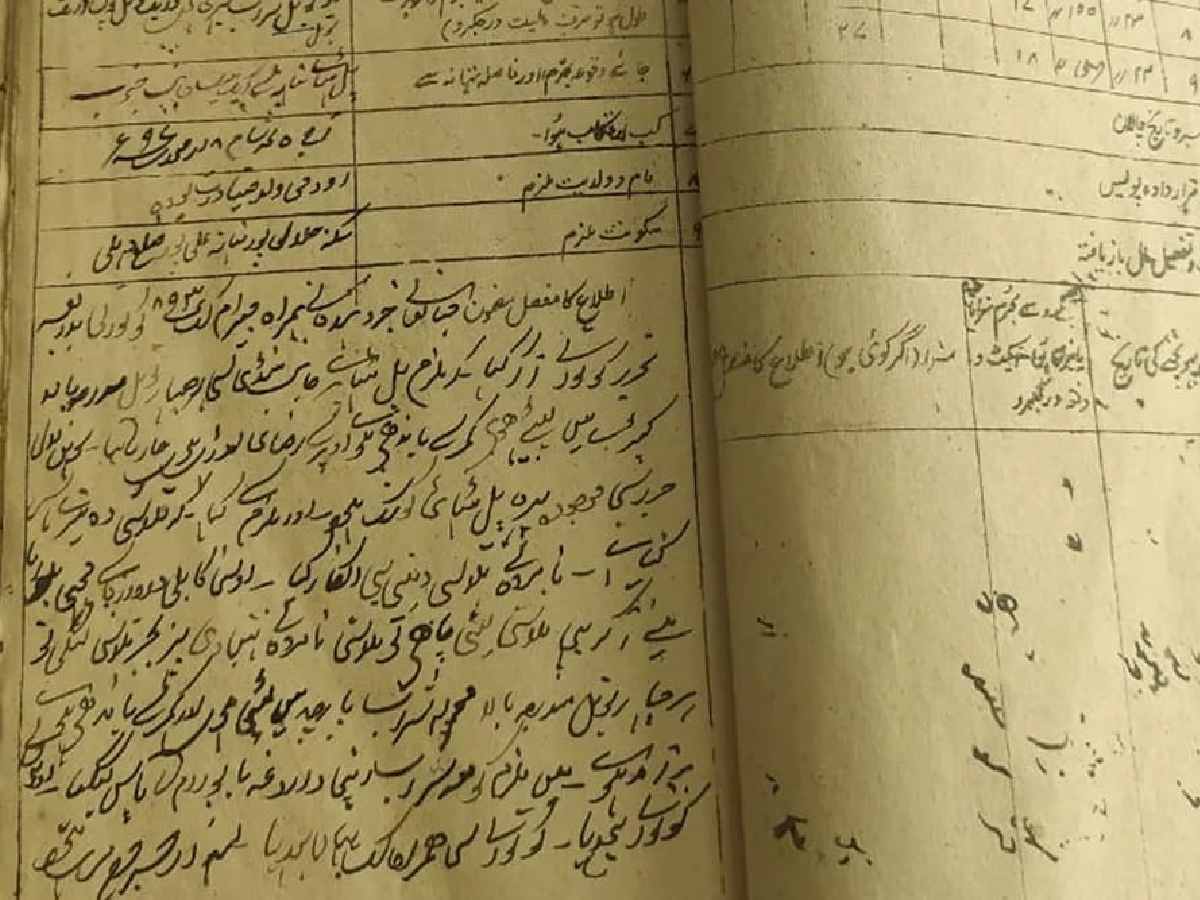
FIR No. 639, registered on November 2, 1984, recorded the burning alive of 10 people in Kabir Basti. The case was based on complaints lodged by survivors, including Jaswant Singh.
Subsequent inquiries, including Misra and Nanavati commissions, highlighted allegations of police lapses and complicity in other parts of Delhi. In Sabzi Mandi, however, officers initially took preventive efforts before changes in leadership altered the situation.
Over the decades, the station has handled everything from market disputes and thefts in the vegetable trade hub to traffic congestion and other urban crimes. Its jurisdiction over old and densely populated neighbourhoods has made it a frontline responder, reflecting the broader transformation of Delhi Police into one of the world’s largest metropolitan forces.
Also Read: Mor Sarai: wandering in Delhi’s first railway colony
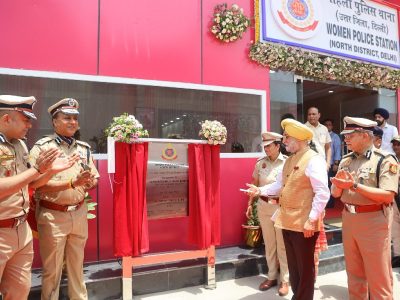
Delhi’s first full-fledged all-women police station in Sabzi Mandi will now handle crimes against women and children across the North District. Conceived as a more accessible and victim-centric institution, it may eventually serve as a model for similar facilities elsewhere in the city.
Today, the Sabzi Mandi Police Station stands as a reflection of Delhi itself, shaped by moments of turbulence and calm and constantly evolving with the city around it.