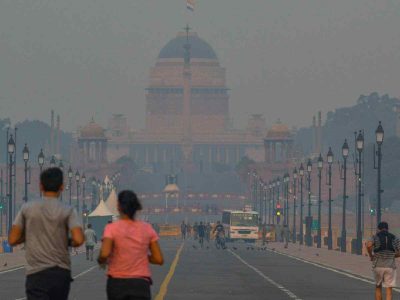
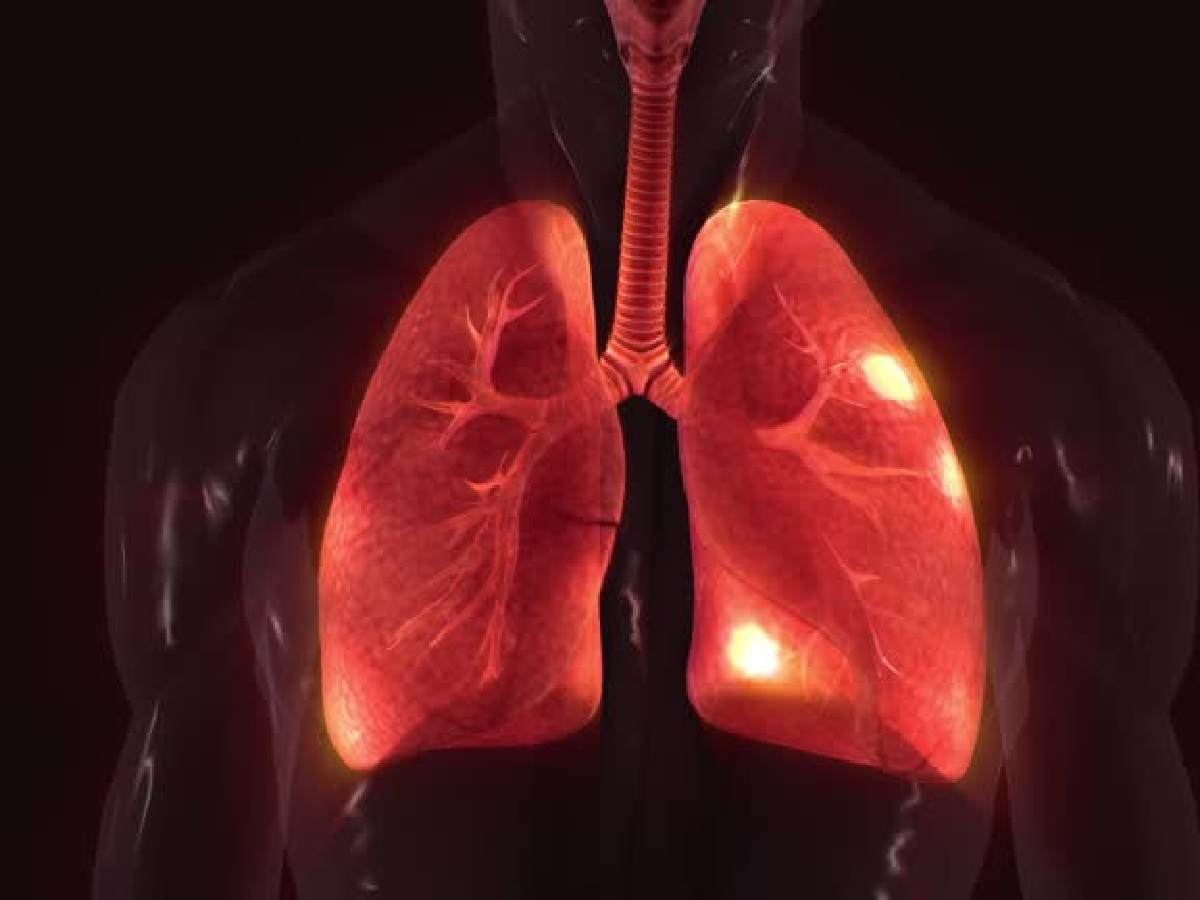
Delhi pollution: As air pollution in the national capital continues to climb to hazardous levels, hospitals across Delhi are reporting an unprecedented rise in respiratory illnesses. Doctors say nearly 90% of patients visiting respiratory OPDs are being diagnosed with Chronic Obstructive Pulmonary Disease (COPD) or early symptoms linked to it. What experts describe as a rapidly escalating public health emergency has left both government and private hospitals overwhelmed with patients experiencing severe breathing difficulties, persistent coughing, wheezing, and chest congestion.
Delhi’s air quality has remained in the ‘severe’ category for consecutive days, with PM2.5 concentrations touching nearly 25 times the permissible limits set by the WHO. Even as the Delhi Government enforces emergency measures under GRAP-IV, doctors warn that the long-term damage already inflicted on citizens’ lungs is irreversible, and its real impact will surface in the coming months.
Unprecedented influx of respiratory patients
A senior pulmonologist from Lok Nayak Hospital, who did not wish to be named, described the situation as the worst the hospital has seen in recent years.
“Every day our respiratory department is overflowing,” he said. He explained that close to 90% of patients arriving with breathing-related problems were showing signs of COPD or early airway obstruction. He added that what was “extremely concerning” was the shift in patient demographics, with more young adults in their late 20s and early 30s being diagnosed. “Even non-smokers are exhibiting lung damage similar to smokers because of prolonged exposure to toxic pollutants.”
The doctor said the surge reflects a significant deterioration in environmental quality.
“Long-term exposure to polluted air triggers chronic inflammation and irreversible scarring of the lungs. If this continues, Delhi will face a generation with severely compromised lung capacity.”
At Ram Manohar Lohia Hospital, the recently established Pollution Clinic is witnessing a record surge in walk-ins from across the city. Dr Amit Jindal, Consultant Respiratory Medicine and in-charge of the clinic, said the majority of patients now require emergency intervention and oxygen support.
“People are not only coming with acute bronchitis or asthma flare-ups but also with severe COPD exacerbations,” he said. “We are seeing a rise in cases where patients’ oxygen levels drop significantly even at rest. The situation amounts to a pollution-driven respiratory epidemic. If this trend continues, the long-term public health burden will be unimaginable.”
He stressed the importance of preventive measures, particularly for children, the elderly and pregnant women.
“Immediate steps such as mask usage, air purification systems, and minimising outdoor activity during peak smog hours must be taken seriously. We are heading towards a chronic respiratory disease crisis.”
COPD becomes second leading cause of death in India
Dr Sandeep Garg, Principal Consultant and Unit Head of Pulmonology at Fortis Shalimar Bagh, said the alarming rise in COPD cases has elevated it to one of India’s most deadly conditions.
“There is a surge in COPD cases not only in Delhi but across the country,” he said. He explained that both outdoor and indoor air pollution were significant contributors to the increasing COPD burden. “While tobacco use remains a major risk factor, what is more concerning is the rapid rise in cases among women compared to men, particularly in low and middle-income households where biomass fuel exposure is common.”
Also read: Over 30 patients with uncontrolled diabetes fully recovered through surgery: AIIMS Delhi
He said COPD is now the second leading cause of death in India, overtaking several other chronic illnesses.
“One major reason for the sharp rise is delayed diagnosis. People tend to ignore early signs such as persistent cough, breathlessness, and fatigue until their lung function declines sharply. By the time they seek help, the damage becomes irreversible.
Dr Garg noted that lifestyle changes, controlled exposure, and early screening are critical.
“Pollution levels are now so toxic that even healthy individuals are experiencing difficulty in breathing. We urgently need public health screening programmes, subsidised inhalers, and more specialised pollution clinics.”
Non-smokers increasingly becoming COPD patients
Highlighting another worrying trend, Dr Kuldeep Kumar Grover, Critical Care and Pulmonology Head at CK Birla Hospital, Gurugram, said a growing proportion of COPD patients are non-smokers who have suffered chronic exposure to toxic air.
“The AQI has been consistently severe and it is directly driving an increase in pulmonary diseases, especially COPD,” he said. He noted that many patients diagnosed with COPD had never smoked. “Constant exposure to particulate matter, vehicular fumes, industrial pollutants, and household biomass smoke is leading to chronic inflammation and permanent lung damage similar to smoking-related illnesses.”
He warned that the harm caused by PM2.5 is deeper and more dangerous than widely understood.
“PM2.5 particles penetrate deep into the lungs and bloodstream, triggering airway remodelling and reducing lung capacity. Alongside COPD, we are also seeing spikes in asthma, chronic bronchitis, allergic rhinitis, lung cancer, and even heart disease.”
A looming health crisis
Doctors fear that if air pollution continues at its current intensity, Delhi’s hospitals will soon struggle to accommodate the growing number of chronic lung disease patients. They are urging long-term structural interventions rather than temporary seasonal responses.
Dr Grover said immediate policy attention is essential.
“If we continue treating air pollution as a temporary winter problem, we are going to fail an entire generation,” he warned. “Young people are losing lung function that will never return. COPD cannot be cured — it can only be slowed. Policymakers must treat this as a national emergency.”
Urgent call for awareness and collective action
Most hospitals have begun issuing public advisories recommending reduced outdoor activity, mask enforcement, air filtration, and immediate medical evaluation for any respiratory symptoms.
Doctors unanimously agree that Delhi is not merely facing an air pollution crisis, but a public health emergency with long-term consequences if action is delayed.
“If we do not act today,” Dr Garg warned, “tomorrow’s India will struggle to breathe.”