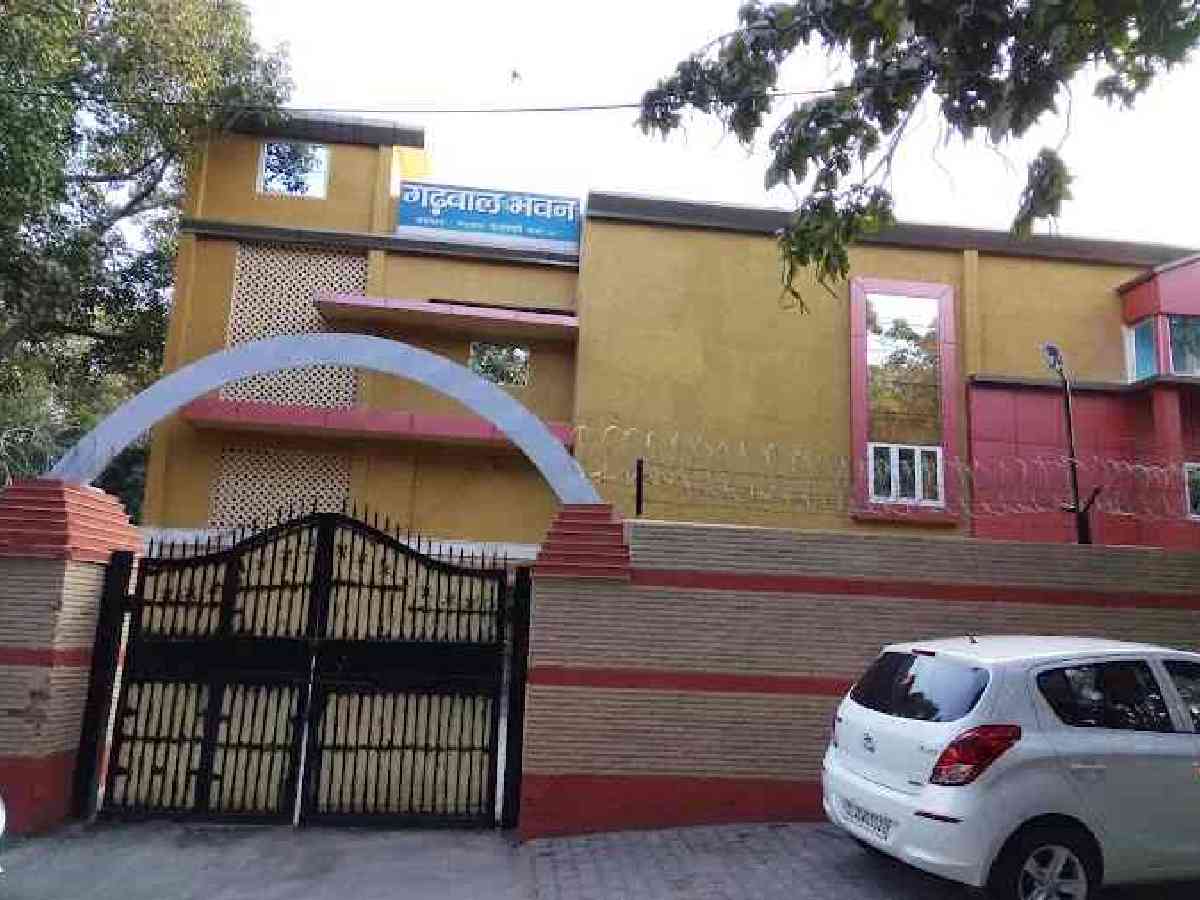
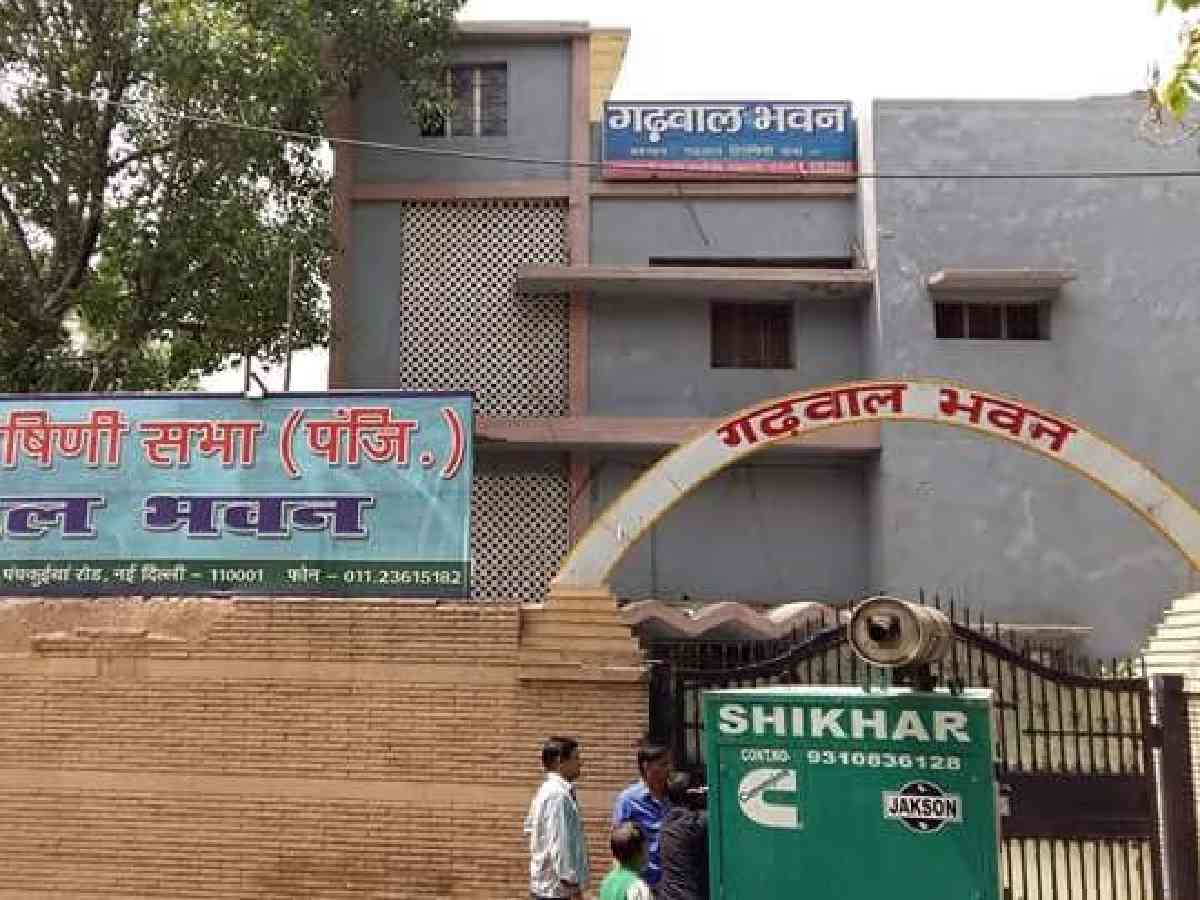
For people from Devbhoomi living in Delhi, Garhwal Bhawan on Panchkuian Road and Almora Bhawan in South Extension hold the same importance as an Indian embassy does for NRIs abroad. At Almora Bhawan, you can still hear the immortal Kumaoni folk song Bedu Pako Baramasa.
Almora Bhawan has stood since 1954. Migrants from Almora, Pithoragarh, Nainital, Bageshwar and nearby areas established it. Among them were spirited community members, including Bahadur Singh Negi, Umed Singh Jeena, Kalyan Singh, and Dharmanand Pant.
Knocking on Delhi’s door
Rough estimates suggest that 20–25 lakh Uttarakhandis now reside in the Delhi-NCR area. Migration from Garhwal to Delhi began around 1930. Until 1970, many who came would retire and return home. After that, newcomers stayed put. They were more practical, realising that while emotional ties with the village mattered, returning made little sense.

Writer and corporate director Dr Sudhir Bisht says people from every corner of present-day Uttarakhand — including Pauri Garhwal, Tehri Garhwal, Rudraprayag, Uttarkashi and Chamoli — came to Delhi. In the early years, they joined central government offices. Today, their third and fourth generations are thriving here. They have made their mark in every walk of life. Yet Bisht believes their achievements in Delhi remain modest. “They have no big role in business or politics. People from Bihar have fared much better despite migrating to Delhi much later,” he says.
Watching Garhwali theatre
Until the early 1980s, Garhwali plays were staged regularly, mainly at the Shri Ram Centre. Late Madan Thapliyal, former NDMC Director (Information), played lead roles in many. The Garhwali theatre movement in Delhi began around 1960. Lalit Mohan Thapliyal wrote several plays — Khandu Lapata, Gharjwai and Kala Raja, among others.
Rehearsals took place on the terraces of government flats in Kidwai Nagar and Sarojini Nagar — now demolished. Reviews appeared in newspapers. Artists such as Vishwa Mohan Badola, Uma Shankar Chandola, and his Sindhi wife, Sushma Chandola, were very active. Today, a Garhwali play is staged only once in a blue moon.
Also read: Massive fire near Rithala metro station in Delhi engulfs hundreds of shanties, 1 dead
Parvatiya Kala Kendra
Kumaoni theatre was equally vibrant in the Capital, thanks to legendary theatre personality and folk music expert Mohan Upreti. He gave Kumaoni culture and ballads national recognition.
Social worker Anil Pant says Upreti moved to Delhi in 1963. In 1968, he founded the Parvatiya Kala Kendra with hill folk artists. Under its banner, dozens of Kumaoni plays were staged. Thirteen folk tales — Rajula-Malushahi, Rasik-Ramaul, Jeetu-Bagadwal, Rami-Baurani and Ajuwa-Bafaul — plus the world’s longest sung epic, Ram Lila, were translated into Kumaoni and Garhwali and adapted for the stage.
Performances at Kamani Auditorium drew packed houses. Seasoned actors like Vishwa Mohan Badola, Vinod Nagpal, Naima Khan Upreti and Urmila Nagar took part. Upreti’s untimely death in 1992 dealt a blow to Kumaoni theatre in Delhi. It was he who laid the foundation for the Kumaoni Ram Lila — an opera-style singing performance rather than spoken drama.
Major landmark
In South Delhi’s Kidwai Nagar, you will find Veer Chandra Singh Garhwali Marg. His real name was Chandra Singh Bhandari, but the world knows him as Veer Chandra Singh Garhwali.
He served in the Garhwal Rifles and fought in World War I. After the war, his battalion was posted in Peshawar, where the freedom struggle was raging. On 23 April 1930, the British ordered the Garhwalis to fire on unarmed protesters. Under Chandra Singh’s leadership, the soldiers refused. From that day, he became Veer Chandra Singh Garhwali — hero of the Peshawar incident.
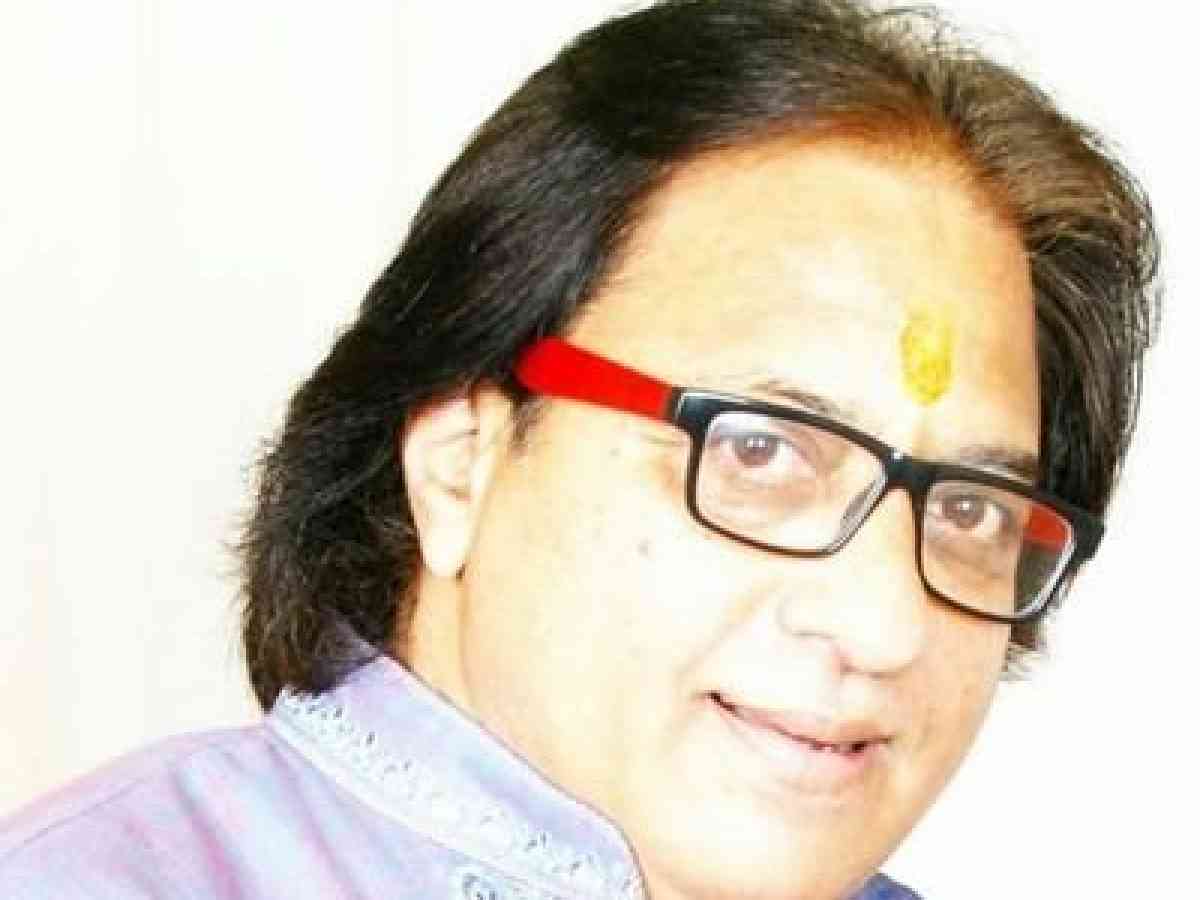
Writer and social worker Sunil Negi says a Sarvodaya school in Saket is also named after him. “For all Uttarakhandis, he will always remain a hero,” he says.
Garhwal Heroes
Delhi’s Devbhoomi residents treat Garhwal Heroes Football Club as their own. Whenever the team plays at Ambedkar Stadium, they turn up in huge numbers to cheer. Match alerts reach them on WhatsApp.
Anil Negi, associated with the club, says, “The moment a match is scheduled, we ping brothers living in Minto Road, Lodi Road, Vinod Nagar, Aliganj, Seva Nagar, Sarojini Nagar… They drop everything and come running.”
Badrinath to Garhwal Bhawan
The Garhwal community in Delhi-NCR is drawn to Badrinath temples in West Vinod Nagar, Burari, Sarojini Nagar, Prem Nagar and other areas.
Noted journalist Hemendra Barthwal says people from the hills love to worship at these temples. Garhwal Bhawan holds a special place in their lives, hosting cultural events throughout the year.
In 2013, when flash floods and landslides devastated the Kedarnath valley, Delhi-NCR organisations collected relief packets and sent them home. Everyone gathered at Garhwal Bhawan. Sports journalist Rajinder Sajwan recalls how every Garhwal-linked person and group “worked as one, proving that we stand united for Uttarakhand in every situation.”
Even before Independence, British Deputy Commissioner P Mason had temporarily allotted land for Garhwal Bhawan at the request of migrant Garhwalis. The present plot was allotted in 1956, and on 28 December 1958, Tehri MP Maharaja Manvendra Shah laid the foundation stone.
Today, the Garhwali community is a vital part of the Delhi-NCR. Still, their hearts beat for Uttarakhand, and they are set to celebrate the 25th Uttarakhand Foundation Day on November 9.