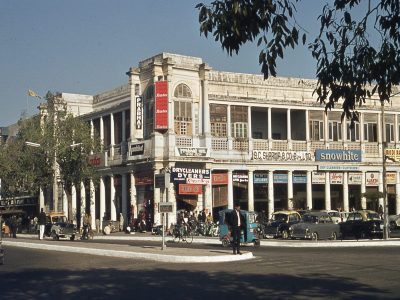
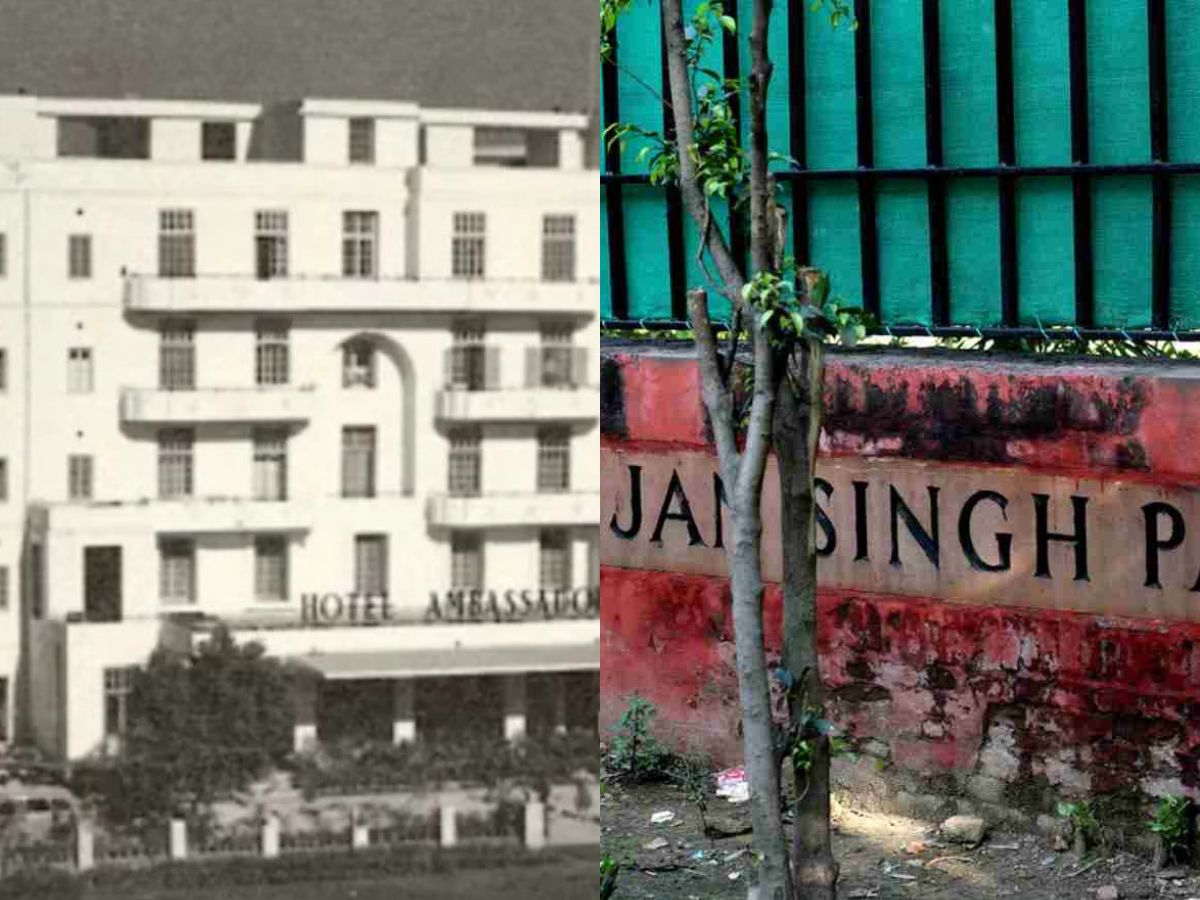
Sujan Singh Park in Delhi is closely associated with the celebrated writer, Khushwant Singh.
After India’s Partition, when Khushwant Singh came to Delhi, his father – Sir Sobha Singh – gave him a flat in Block A to live in. He would live there for the rest of his life. The apartment, together with the iconic Ambassador hotel nearby, brings back memories of the colonial days.
During the Second World War, houses were built here for British officers. Sir Sobha Singh got them constructed and named them after his father, Sujan Singh. After Partition, he opened the flats to families displaced from across the border.
Kids played in the park, and elders shared their memories. Khushwant Singh left Lahore and lived here. His flat became a gathering place for writers and journalists. It was here that he wrote his celebrated novel, Train to Pakistan.
Read More: Delhi: JJ cluster residents welcome housing push, but concerns remain
A distinguished address
Many famous people have called Sujan Park home. Among the residents was actress Dilshad Khan (sister of Sanjay Khan), Gujarati writer Bhai Chand Patel, and foreign diplomats. Several generations of the Sobha Singh family have lived here.
At one point, Altaf Hussain, editor of Dawn (a newspaper owned by Muhammad Ali Jinnah’s Muslim League and published from Daryaganj), also lived here. In 1947, rioters attacked his flat.
After independence, Indian families and government officials gradually moved into the neighbourhood, and the Indian government also rented numerous flats.
Memories of Khushwant Singh
Twelve years have passed since Khushwant Singh died, but even today, stepping into his flat makes one feel he might walk in at any moment. Hundreds of books stand neatly arranged on the shelves. Most of them are in English, Punjabi, and Urdu.
He once told this writer that he never gave away any of his books to anyone. His favourite armchair — the one where he would sit, completely lost in a book — is still there. He warmly welcomed every visitor.
Sujan Singh Park also has a connection with Britain’s former Prime Minister Boris Johnson, who often calls himself “India’s son-in-law.” Marina Wheeler, his second wife, was the daughter of Deep Singh Kaur, who once lived in the neighbourhood. Deep Kaur’s first marriage was to Khushwant Singh’s younger brother, Daljeet Singh.
Deep Singh later married a British journalist. It is said that Johnson visited Sujan Singh Park several times.
The Ambassador Hotel
British architect Walter George Scapes designed both Sujan Singh Park and the Ambassador Hotel. His other works include St. Stephen’s College and Miranda House.
After independence, Sir Sobha Singh partnered with noted hotelier Ram Prasad to establish the Ambassador hotel, one of India’s earliest luxury hotels. At the time, Delhi had only a handful of hotels, including the Oberoi Maidens and The Imperial.
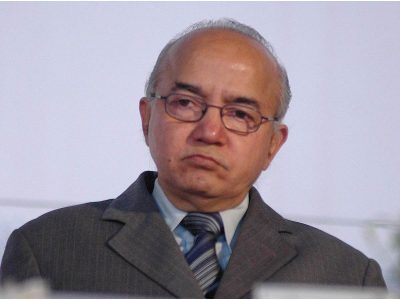
“Ram Prasad was an adviser to Jawaharlal Nehru. In 1950, he leased and converted the property into one of the earliest hotel properties in New Delhi. This made the Ambassador a special place right from the start,” informs Rajan Dhawan, a noted Chartered Accountant of Delhi who has lived here for many years.
He adds: “It quickly became popular with diplomats, travellers, and other notable figures. The hotel has seen Delhi change over the decades. It hosted high-society spots like the Jewel Box nightclub, the Art Deco bar Insomnia, fine-dining at Larry’s China, and the charming Yellow Brick Road cafe.”
Many families in Delhi held their children’s weddings here. Sitting in the coffee shop, it feels like time has stood still.
Heritage at stake
Neither Khushwant Singh’s house nor the Ambassador Hotel may remain untouched for much longer. The central government has started the process to get both properties vacated, arguing that the lease from 1945 expired in 1960. Sir Sobha Singh & Sons has been served a notice to vacate. Ironically, the office handling the matter is located at 1 Janpath, where Sobha Singh himself once lived.
Media reports suggest that both properties might have to be vacated, a move that is being challenged in court by Sir Sobha Singh & Sons. Will those red bricks, high ceilings, and the park where Khushwant Singh lived become just memories?
“We hope there is a positive decision about both so that these heritage buildings are saved. The new generation should also know how Sujan Singh Park gave shelter to refugees in times of crisis, and how a hotel wrote the story of the new India,” says Ravinder Kumar, an author.
Read More: Autistic Pride Day marks shift from awareness to acceptance