For centuries, devotees have flocked to the dargah of Hazrat Qutbuddin Bakhtiyar Kaki in Mehrauli area of Delhi — a revered Sufi shrine second in importance only to Ajmer’s Gareeb Nawaz. But the sanctity of this 800-year-old spiritual landmark is now threatened, not by time, but by waterlogging, poor sanitation and civic neglect.
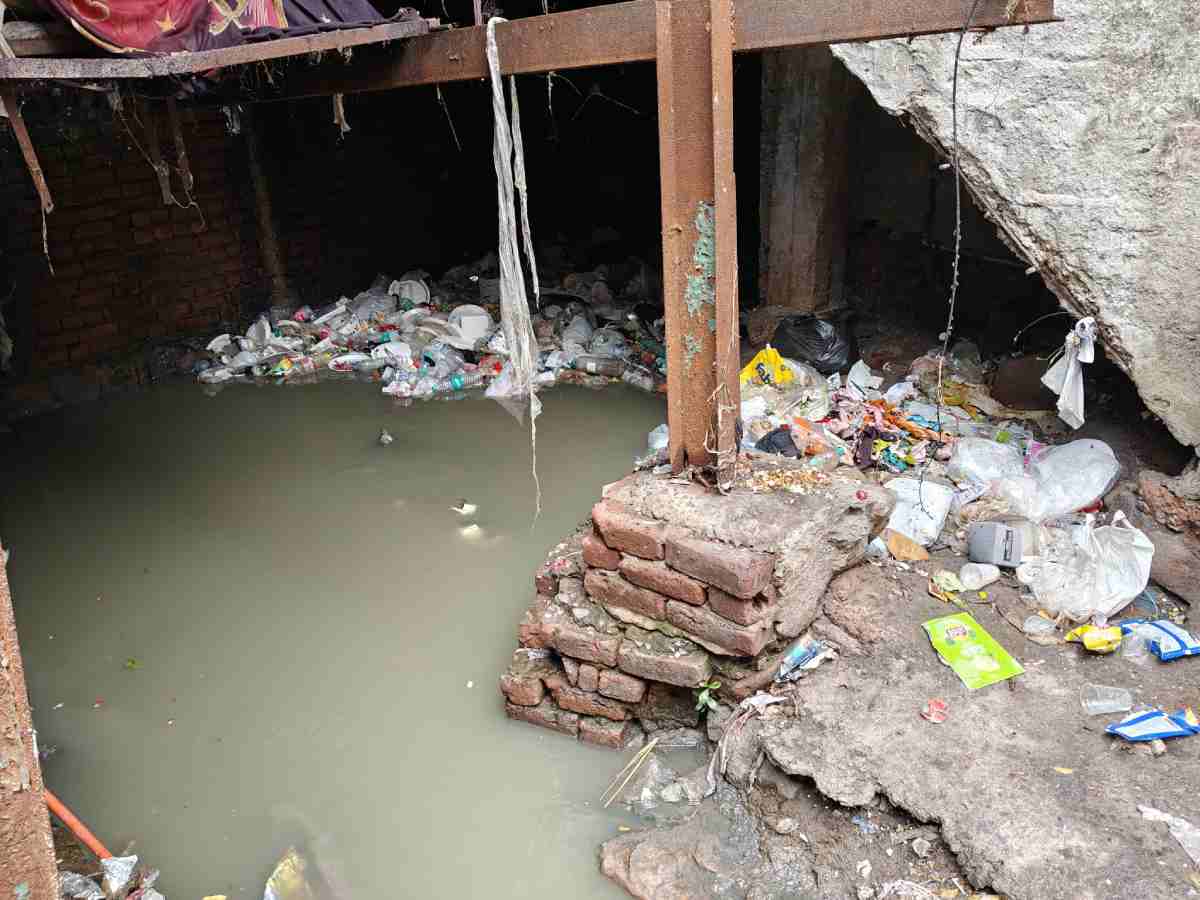
Each monsoon, the shrine and lanes around it turn into a pool of stagnant water. Overflowing drains, garbage piles and slippery, unsanitary walkways have become the norm.
“On hot days, the garbage in the open drain smells — it becomes unbearable,” says Mohammad Taha, who runs a shop near the dargah’s main gate. “We sit here from morning till night. Imagine inhaling that stink while you’re selling food or prayer items.”
Pushpa Singh, a former Nigam Parshad, says the problem is longstanding but preventable. “When I was in office, we installed a safety net across the open drain. It stopped scooters, garbage, even children from being swept away. But last month, a team removed it. Since then, it’s a hazard zone again.”
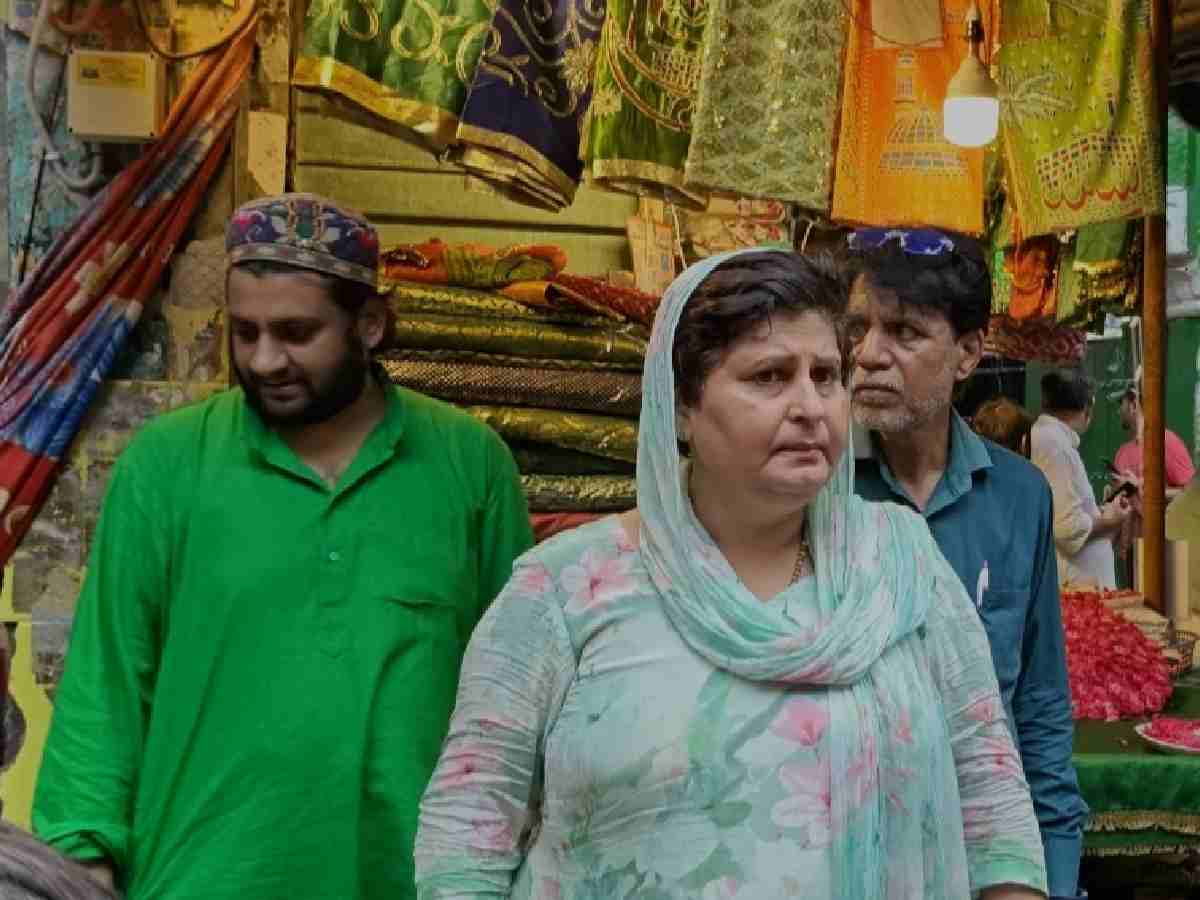
A symbol of shared culture, now in neglect
The dargah is a symbol of Delhi’s syncretic culture. It hosts the annual Phool Walon Ki Sair, a centuries-old festival where floral offerings are made at both the dargah and the nearby Yogmaya Temple, attended by Hindus and Muslims alike.
Also Read: Gandhi’s final act: A quick visit to Mehrauli
Thousands visit daily, many from other parts of India and abroad, but are greeted by waterlogged lanes strewn with waste.
“This is not just a dargah; it is a spiritual lifeline for us,” says Asma Begum, a devotee from Bareilly. “But we pray here with our feet in dirty water. Is this how Delhi treats its spiritual heritage?”
Brief showers are enough to disrupt life. Shamim Khan, who has been selling chaddars outside for 20 years, recalls, “It rained for an hour, and the water rose past my shop’s doorstep. My stock got wet, business suffered. No one came to help.”
Munni, who runs a corner shop, points to a damp patch. “That’s where the water comes in. We try to block it with sacks and bricks. But nothing stops it. My grandson helps me now — but I worry for his health.”
Rotting infrastructure and fading traditions
The area’s drainage system lies at the heart of the crisis. A 60-year-old nala — narrow and choked with debris — cannot handle monsoon water or year-round waste.
“This drain was built when Mehrauli was a sleepy village,” says Adil Ahmad, a local resident. “Today it’s a crowded market, a pilgrimage site, a heritage zone — but the infrastructure is the same.”
Adil also laments the loss of traditional facilities. “There used to be two taps connected to a well — supplying water to the whole area. The Municipal Corporation of Delhi (MCD) broke them to increase flow. Now water floods the street instead.”
Hussaini, another long-time resident, adds, “There’s not even a proper drinking water point. We had shabeels once, for the thirsty. Now there’s nothing. Just filth and congestion.”
Devotees voice frustration
Even occasional visitors are struck by the decay. “I come every year,” says Farzana Bano from Lucknow. “I brought my children to show them our heritage. But what will they remember? The saint’s message, or the smell from the open drain?”
Speaking to Patriot, Gajender Singh Yadav, MLA from Mehrauli, said he would look into the issue. “I will resolve it as soon as possible.”
Rekha Mahender Chaudhary, the current Nigam Parshad, also acknowledged the problem. “I am well aware of the issue. This demand is genuine. I will take it up with the government,” she said.
But locals remain sceptical. “We’ve heard this before,” says Shamim Khan. “The drain is still open. The garbage is still there. The net is still gone. What’s changed?”

Despite the stench, flooding and broken infrastructure, devotion endures. Shops open, people queue at the shrine, and evening prayers continue under dripping awnings.
“This is the pride of Mehrauli,” says Pushpa Singh. “It shouldn’t be drowning in sewage.”