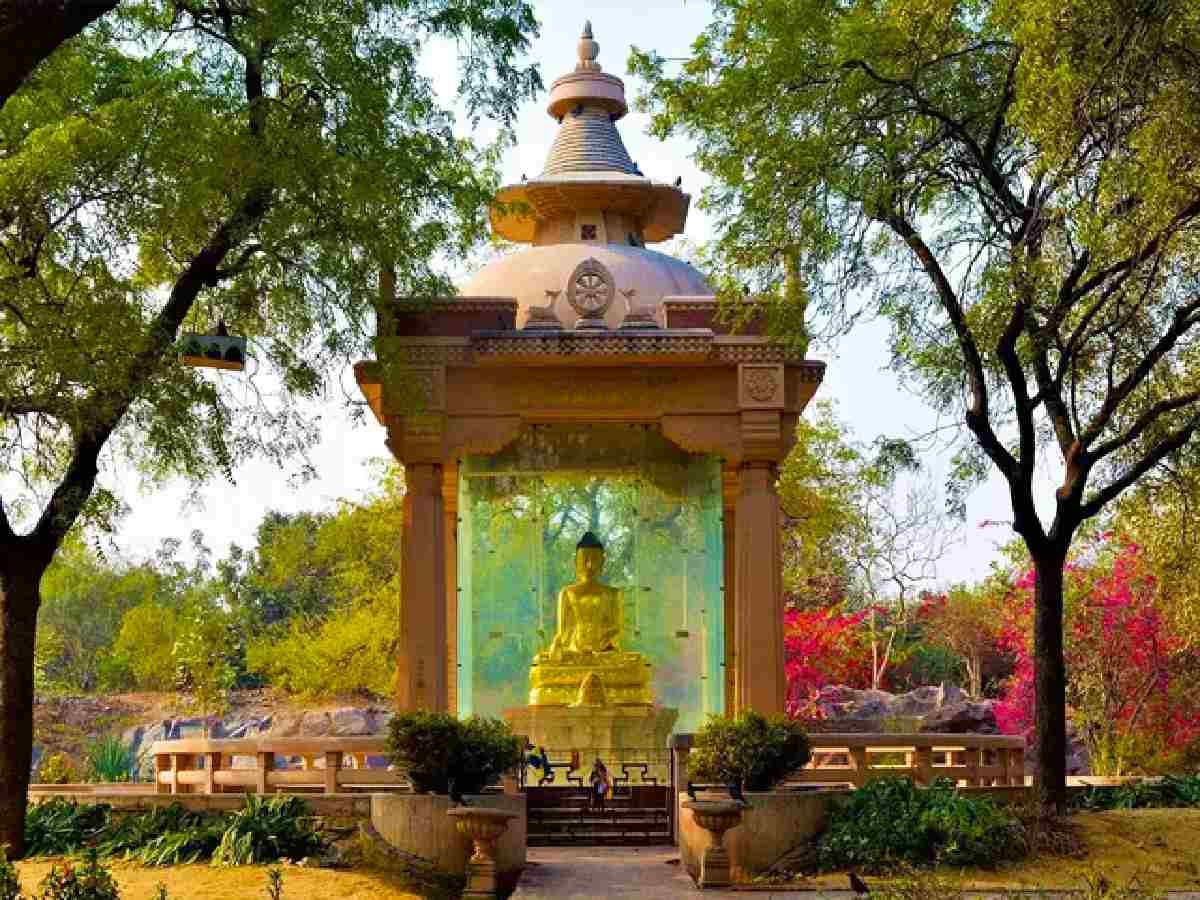
In 1949, during an official visit to the United States, Prime Minister Jawaharlal Nehru met Mansingh S Rana, a young Indian architect working under the legendary Frank Lloyd Wright. Impressed by Rana’s talent, Nehru urged him to return to India and contribute to nation-building.
Rana later joined the Central Public Works Department (CPWD) in Delhi during the early post-independence years, a time when the capital was witnessing rapid development. In 1957, during a meeting at Vigyan Bhawan chaired by Nehru, the idea of celebrating 2,500 years of Buddha’s enlightenment was discussed. It was decided that Delhi should have a grand garden reflecting Lord Buddha’s teachings. Nehru entrusted Rana with designing the project, which eventually became Buddha Jayanti Park.
Tragically, Nehru did not live to see his vision realised.
A historic inauguration
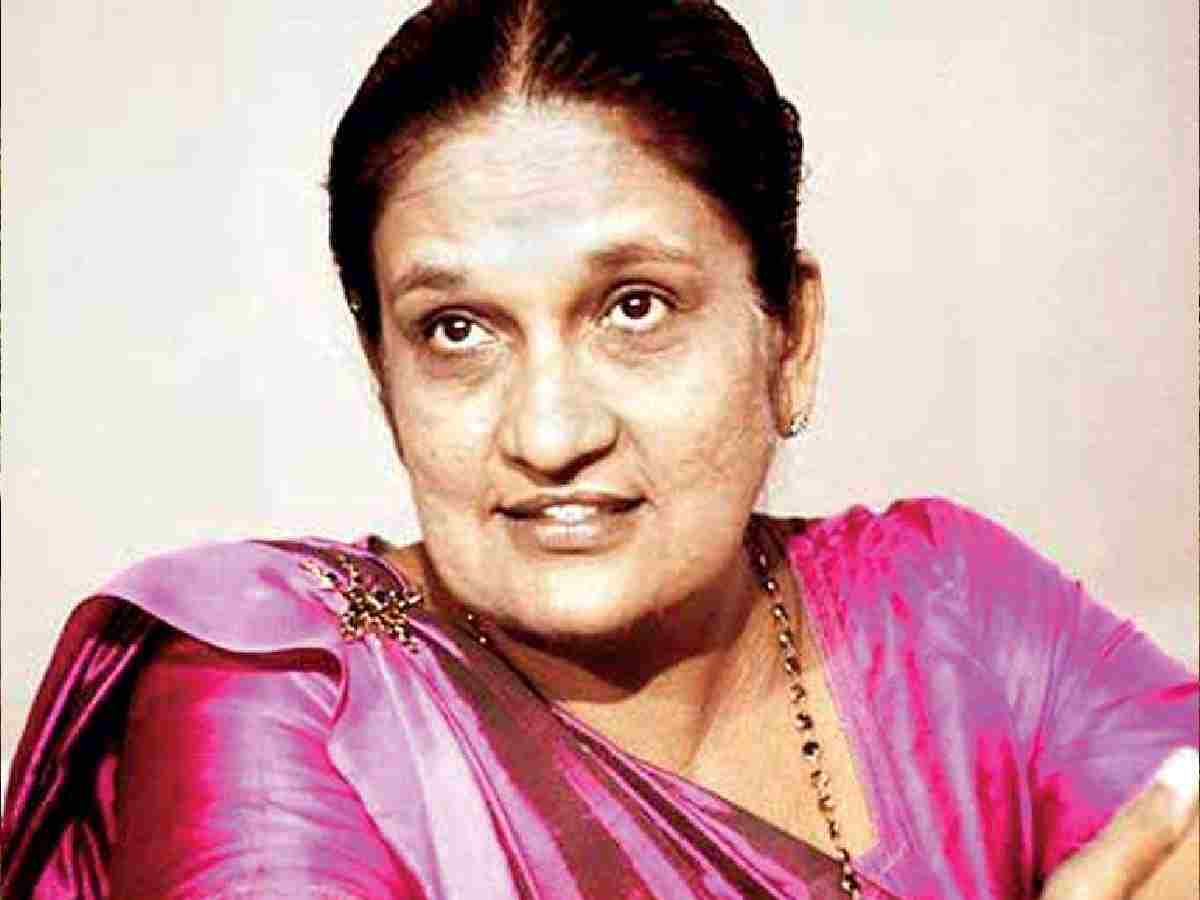
Located in the heart of Delhi’s Central Ridge, Buddha Jayanti Park spans approximately 81 acres. On October 25, 1964, it was inaugurated by Prime Minister Lal Bahadur Shastri, who planted a sapling of the sacred Bodhi tree. The then Prime Minister of Sri Lanka, Sirimavo Bandaranaike, travelled from Colombo to gift this sapling.
The tree holds profound spiritual significance. It is believed to trace its lineage to the original Bodhi tree in Bodhgaya, Bihar, under which Lord Buddha attained enlightenment. This lineage was preserved when Princess Sanghamitra, daughter of Emperor Ashoka, brought a sapling to Sri Lanka in the 3rd century BCE, symbolising a deep connection to Buddhist heritage.
Also Read: Dussehra in Old Delhi: Ramlila traditions that bind generations
Mahashay Dharampal Gulati, the founder of MDH, recalled the excitement of the inauguration. “Living in Karol Bagh, I longed for a nearby park to walk in. When I heard about this project, I cycled often to watch its progress. I was there with friends when Shastri ji inaugurated it,” he said.
CPWD’s new plans
After more than six decades, the CPWD is keen to re-develop the park. Its proposal includes wooden walkways, public shelters, new toilet blocks, and renovation of older structures such as gates, alongside enhanced landscaping. The agency has assured that no trees will be cut during the redevelopment.
A vibrant ecosystem
The park has long been a sanctuary for both people and nature. It is home to nearly 100 species of trees and 40 types of shrubs, creating a rich ecosystem. Towering trees provide shade and tranquillity, often making visitors question whether they are still in Delhi.
Rana’s design ensured that the park embodies the calmness and teachings of Lord Buddha. A statue of Buddha, gifted by the Dalai Lama and erected in 1993, further enhances its spiritual aura. The park also attracts Buddhists from Sri Lanka, Japan, Thailand, Myanmar, South Korea, and India, as well as the Dalai Lama himself, who have visited to pay homage.
Artificial ponds add to its charm, offering serene visual delight to visitors.
Gardens within the garden
Buddha Jayanti Park also features several specialised gardens that lend it a distinctive character. From November to January, the Rose Garden bursts into vibrant colour, with rows of blooming roses creating a striking display. The Cactus Garden, spread across 1.5 acres, transforms the prickly cactus into an object of beauty, showcasing different species in carefully designed arrangements. Adding yet another dimension, the Bougainvillea Garden stretches across 8 acres, displaying 40 varieties of bougainvillea that fill the park with vivid bursts of colour.
A place for all
Beyond its spiritual and ecological significance, the park is a paradise for walkers, joggers, and meditators. However, it mainly attracts residents from Central and West Delhi due to the city’s vast expansion. Social worker Pritam Dhariwal, whose father was a gardener involved in the park’s development, said that its legacy remains special to local communities.
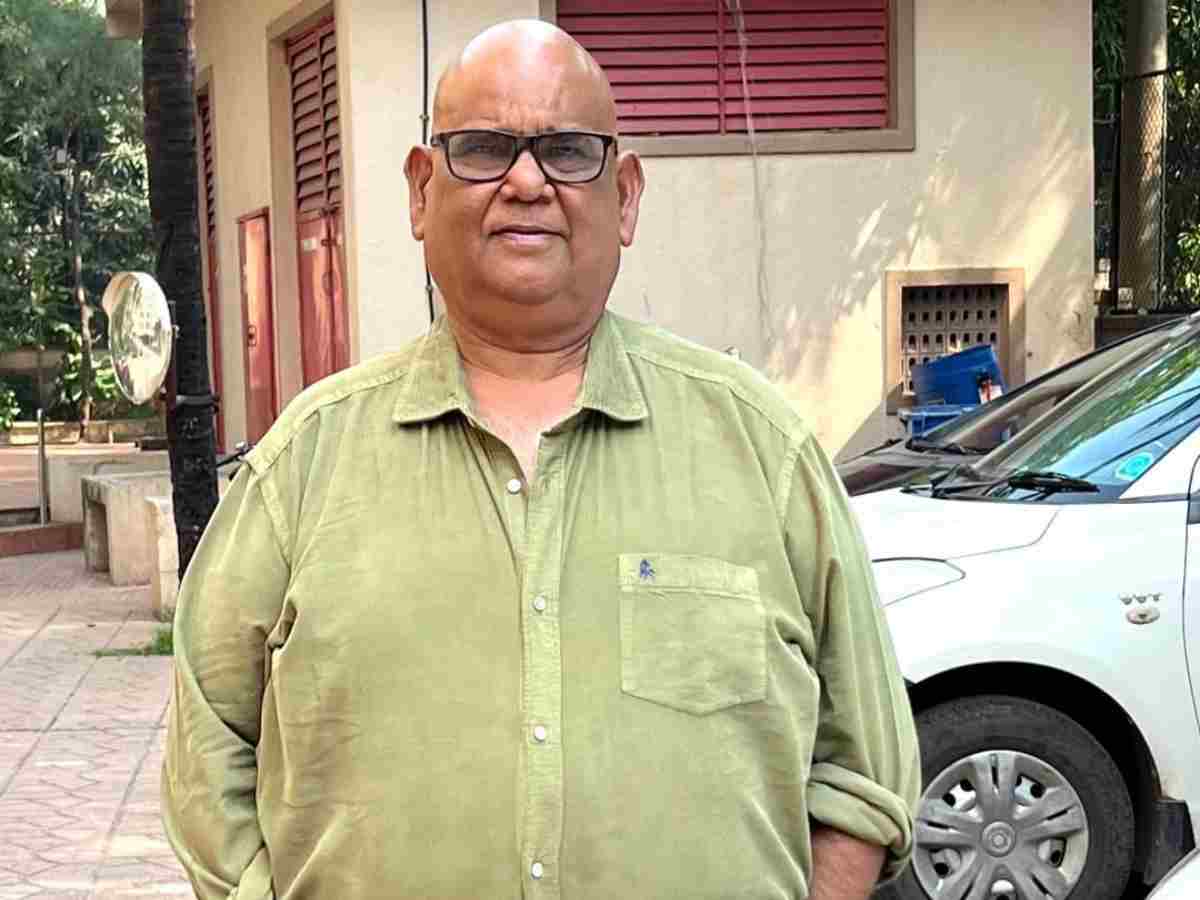
Late Bollywood actor and director Satish Kaushik once fondly remembered this park. “As a student in Karol Bagh, I studied here with friends from Harcourt Butler School due to limited space at home. This park holds countless memories,” he recalled.
While the park provides an escape from Delhi’s hustle and bustle, it is known to become deserted and eerie after dark. Visitors are advised to leave before nightfall, as the surrounding Vandemataram Marg sees little traffic. Its history also carries a dark memory — the 1978 murder of Geeta and Sanjay Chopra, a chilling event that still lingers in Delhi’s collective conscience.
Also Read: Delhi CM meets Maulana Azad Hospital doctors, slams AAP over infrastructure gaps in campus
Looking ahead
Despite its challenges, Buddha Jayanti Park remains one of Delhi’s most cherished green spaces. After more than sixty years, plans for its redevelopment promise to enhance its beauty and accessibility. Whether for spiritual reflection, a peaceful walk, or to admire its diverse flora, the park continues to offer a serene oasis in the heart of the capital.
There is hope that this premier park will only grow more welcoming and enriching once the redevelopment project is completed.