Radhey, Prem, Negi and their fellow Dilliwallahs are the unsung heroes of the festival of lights. Thanks to them, our Diwali shines a little brighter — with sweets that delight and lights that dazzle. Can one even imagine the festival without mithai? Or without the electricians who bring those shimmering strings of bulbs to life? They are the master craftsmen and technicians who become indispensable during the Diwali festivities.
Crafting sweetness
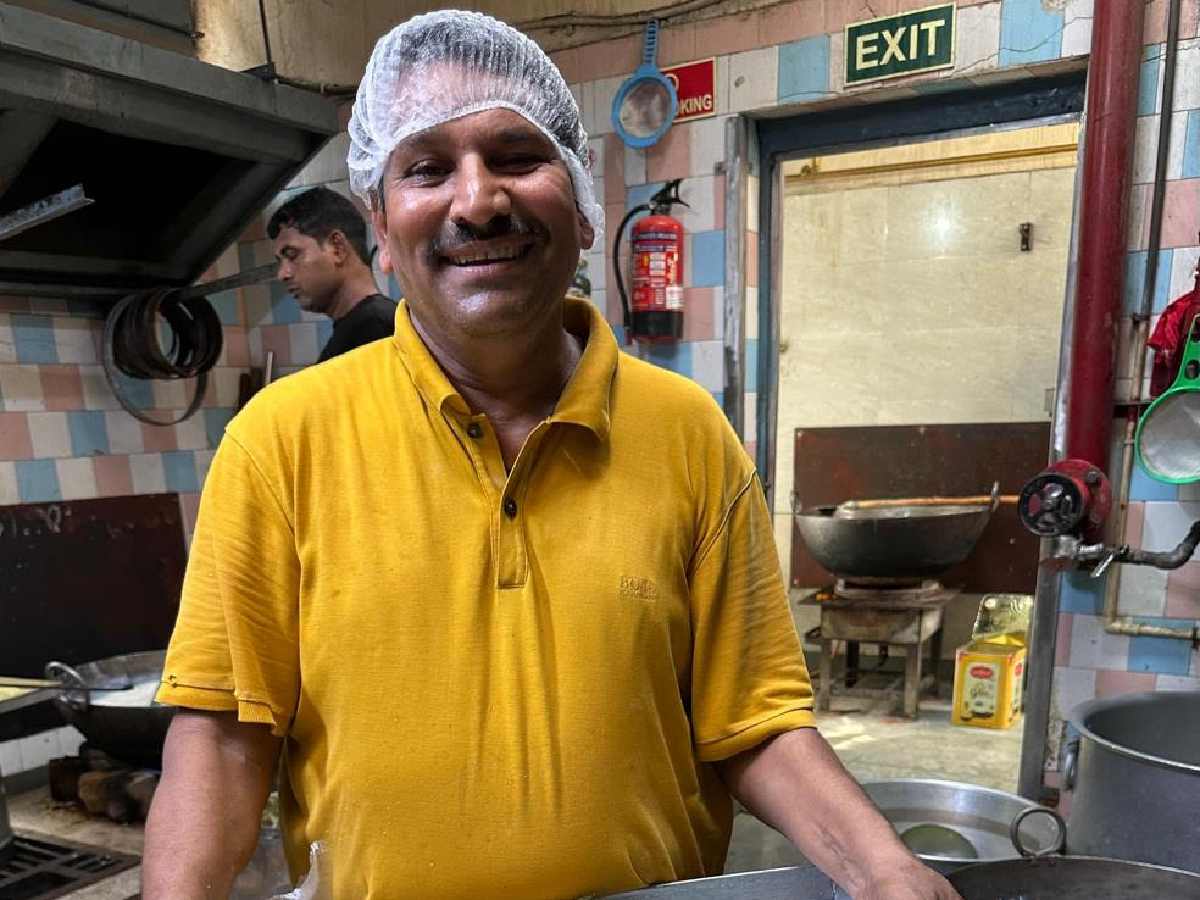
It is 10 PM, and Radhey is busy preparing boondi laddoos with a colleague inside a workshop in Gandhi Market near Rouse Avenue. This is no regular sweet shop but the back kitchen of a well-known Bengali Market establishment. Here, about 15 workers labour year-round to prepare Barfi, Rasgulla, Gulab Jamun, Patisa, Milk Cake and more, which are then transported to the shopfront by van. Almost all the big and famous sweet shops in Delhi have their production units located away from the main outlet. “Most of the workers in our shop hail from Agra, Mathura and nearby areas,” says 45-year-old Radhey. “Even my father worked here before moving to Evergreen Sweets in Green Park. Diwali is, of course, our busiest time when demand soars.” These mithai shops employ skilled artisans, mostly from Rajasthan, Uttar Pradesh and Haryana. These confectioners, or halwais, blend traditional techniques from their home states with Delhi’s cosmopolitan tastes to create the city’s distinctive sweets.
Also Read: Delhi’s missing children: trafficking, neglect and poverty fuel a deepening crisis
Faces behind iconic shops
Haldiram’s is a name on every Delhiite’s lips. Started in 1937 by Ganga Bishan Agarwal, fondly known as Haldiram, in Bikaner, the brand later expanded to Delhi. “The artisans here hail from the Bikaner and Jodhpur regions of Rajasthan. They use desert ingredients like millet and ghee to create crispy sweets and snacks. Their Sohan Papdi and Moong Dal Halwa are equally famous,” says Amitabh S, who writes a column on street food and mithai shops of the capital for several newspapers. Haldiram’s cooks still work for hours on traditional bhattis (ovens), maintaining precise temperatures — a hallmark of Rajasthani confectionery. Though it’s now a global brand, Delhi’s outlets continue to retain the original flavours.
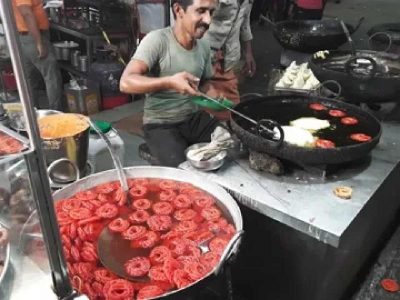
One of the oldest and most iconic names is Ghantewala Halwai, established in 1790 by Lala Sukh Lal Jain, who came to Delhi from Amer, Rajasthan. The shop gained fame as a favourite of Mughal Emperor Shah Alam II. Its artisans, mostly from Rajasthan and Uttar Pradesh, specialise in dense, ghee-based sweets like Sohan Halwa, Peda and Laddu, known for their long shelf life — even in Delhi’s heat. Though the shop shut temporarily in recent years, its legacy still endures. Similarly, Bikanerwala, which originated in Bikaner in 1905, employs Marwari confectioners who combine traditional precision with a scientific approach. Known for their Rasgullas and Chamchams, these cooks master the art of maintaining a consistent sugar syrup for freshness. The brand’s branches in Shahdara and Rohini have become integral to Delhi’s festive spread.
Reflecting Uttar Pradesh’s influence, Kanwarji’s in Chandni Chowk employs artisans from Agra and Mathura, experts in Gulab Jamun and Besan Laddu, made through the slow-roasting of Khoya — a signature of the UP style. Another old name in the area, Chaina Ram Sindhi Confectioners, traces its roots to Sindh (now in Pakistan). “In the early years, we employed artisans from Karachi and Hyderabad (Sindh). They specialised in Malpua and Imarti, using ghee instead of oil for a richer flavour,” says an employee at Chaina Ram.
Secret to success
What do these artisans earn? “Trained workers in reputed shops earn up to Rs 40,000 a month. They usually stay with one establishment for years. They’re the lifelines of our business, so naturally, they get a fair deal,” says Jagdish, owner of Bengali Sweet House in Bengali Market. What elevates their work, he adds, is a blend of skill and discipline. “An artisan must be perfect in gauging syrup consistency by touch and balancing sugar with subtle flavours. In high-volume shops like ours, where Diwali demand spikes, consistency is everything — one flawed batch can damage reputations built over decades,” says Jagdish. Hygiene and quality sourcing come next in importance.
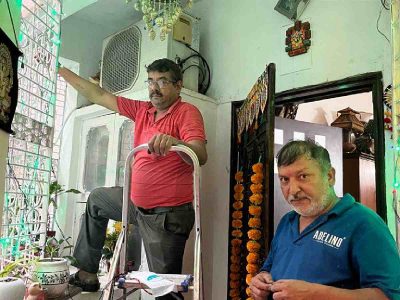
The dynamic duo
And then there are Prem and Negi — electricians who have lit up hundreds of homes in East Delhi for over 25 years. Residents of IP Extension, Preet Vihar, Dayanand Vihar and Swasthya Vihar swear by them. Whenever a wire sparks or a light needs fixing, they’re just a phone call away. Come Diwali, their workload explodes. Three or four days before the festival, they begin installing fairy lights in homes and shops, only to return after Diwali to take them down. “We’ve seen children grow up here,” says Prem with a smile. “We started out clean-shaven — now our hair has gone grey.” They’ve earned the status of “personal electricians” for hundreds of families. They don’t haggle — whatever payment people offer, they accept with good humour before heading to the next house. Across Delhi, you’ll find many like them — anonymous yet essential to the city’s festive rhythm.
The Kumhars’ glow
Diwali also brings a welcome glow to the lives of Kumhars (potters). In Shahdara’s Kumhar Mohalla, one of Delhi’s oldest potter settlements, orders for diyas and clay toys have surged this year. But electric lights have long challenged their livelihood. Still, this season has brought them cheer. “We’ve had good orders for diyas this time,” says a potter arranging rows of freshly baked lamps. Potter clusters in Minto Road, Paharganj and Uttam Nagar are also busy meeting festive demand. Many artisans suggest that making Kulhads (clay cups) mandatory at tea stalls in airports, railway stations and bus depots could offer them a sustainable source of income.