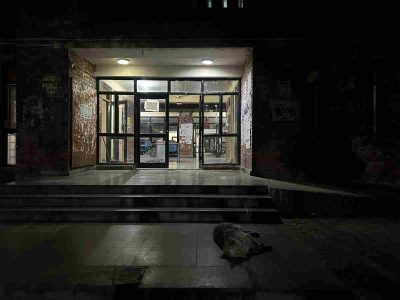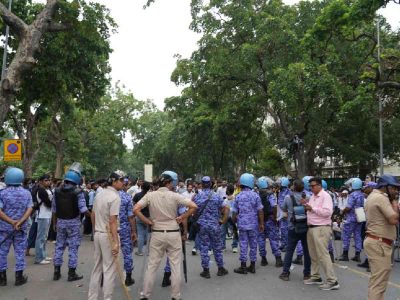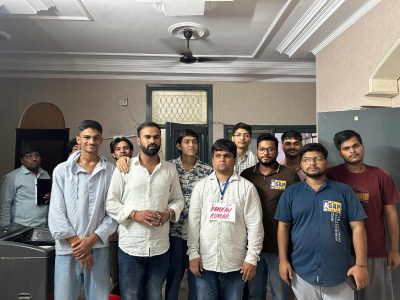
Students at Jawaharlal Nehru University (JNU) say they are paying more for mess food that has got worse. Worms in the flour, milk diluted with water and an insect found in a meal are among the complaints from Narmada, Ganga and Shipra hostels, where monthly bills have risen by up to Rs 500.
At Narmada Hostel, around 108 students submitted a complaint in August to the Inter-Hall Administration, which manages 18 hostels and student welfare infrastructure under the office of the Dean of Students.
Patriot reached out to students in various hostels, including Narmada, Ganga and Shipra, who pointed to recurring concerns over food quality, hygiene, pest control, drinking water and rising mess bills.
Complaints differ across hostels, but students repeatedly described a gap between what they pay and the quality of food and facilities they receive. Several said they have started eating outside or cooking for themselves because they do not find the mess food satisfactory, while remaining liable to pay mess charges.
Patriot contacted the JNU administration for a response to the students’ allegations and complaints about mess hygiene, food quality and infrastructure. However, no response was received at the time of publication.
Rising pressure
At Narmada Hostel, students said the pressure on the existing mess has increased after students from a nearby dormitory began using the same facility. Gukesh*, a student, said the mess was originally designed for the hostel’s existing student strength and that the additional residents have affected meal timings.
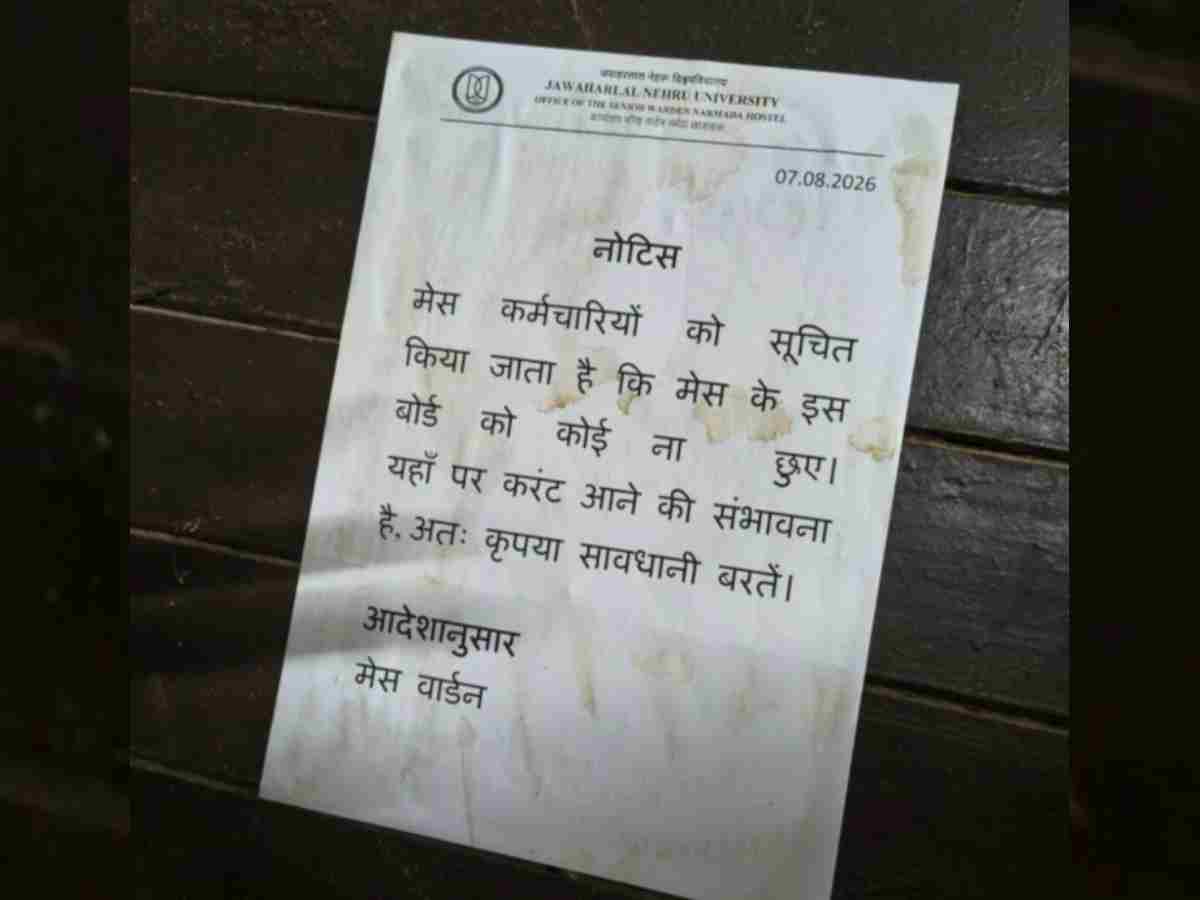
possibility of an electrical current in the mess board
“Earlier, we could go to the mess and easily get food during the meal timings. Now we have to stand in a queue because many more students are using the same mess,” Gukesh said.
Others said the longer queues are particularly noticeable during breakfast and other fixed meal timings. According to them, the number of students using the mess has increased without a corresponding expansion in its space or workforce.
Amit Panghal*, a BTech student from Narmada Hostel, said the financial burden had also increased. He said the average monthly mess bill had risen from around Rs 3,600 to nearly Rs 3,900, while the per-meal charge had increased from about Rs 38 to Rs 43-44.
“The quality of the food is very poor. There have been instances where worms were found in the flour. We have photographs of such incidents and have also submitted a complaint letter,” Panghal said.
Hygiene concerns
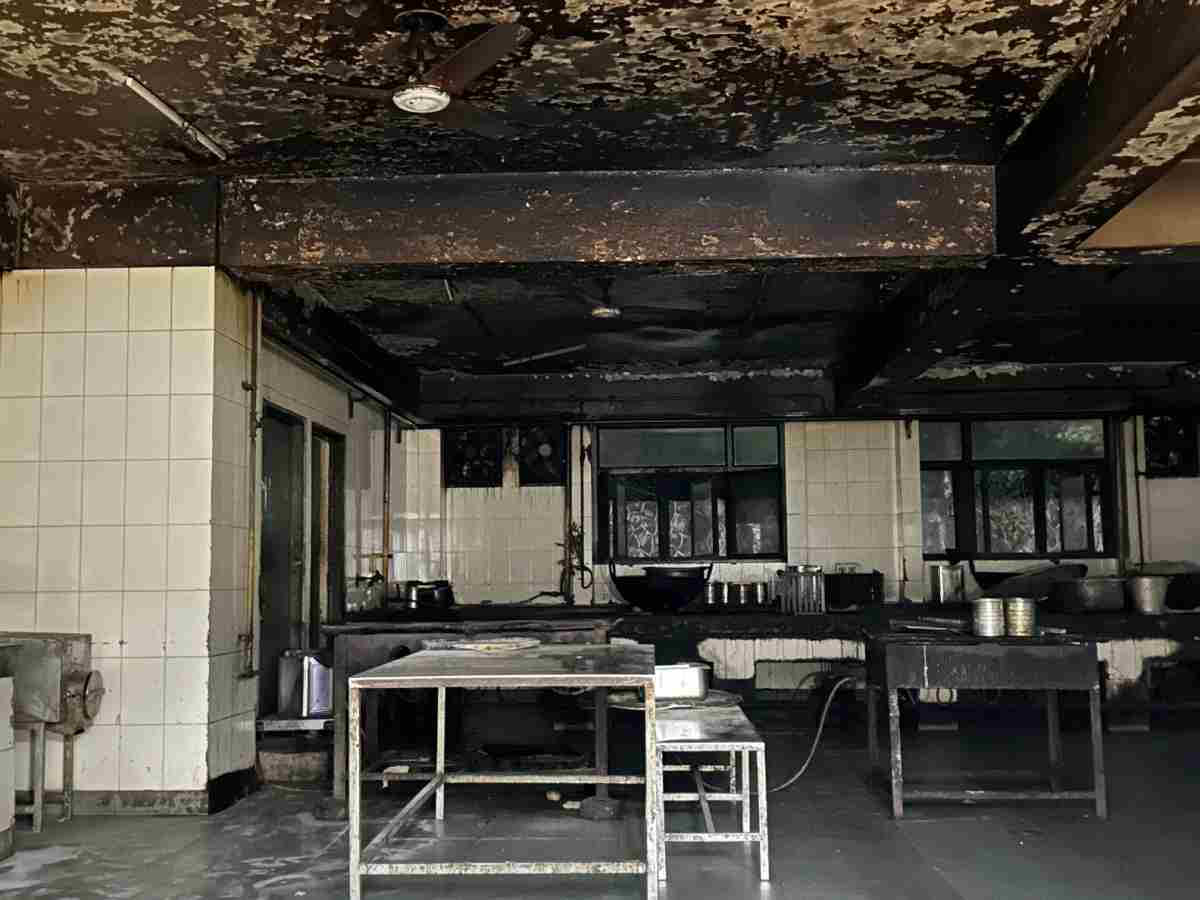
Students also raised concerns about the mess’s physical condition. Panghal said students had complained about the infrastructure but had not seen lasting improvement.
“The ceiling is in poor condition, and pieces of debris can fall from above. We have raised these issues with the authorities, but so far we have not seen any major action,” he said.
Limited options
Similar concerns were raised at Ganga Hostel, where students flagged the quality of ingredients and the limited variety of food. They said the monthly mess bill had increased from around Rs 2,500 to between Rs 2,800 and Rs 3,000.
Usha, a PhD scholar in Geography, said students could notice the difference in the milk.
“They dilute milk with water. It is served in large containers, and you can understand the difference when you drink it,” Usha said.
Usha said complaints about food quality sometimes led to temporary changes, but students did not always see those changes continue.
“They make changes for the time being when students complain, but after some time they start doing the same things again,” she said.
She also said her roommate had recently suffered from food poisoning, but the quality of food served in the mess had not changed.
Another Ganga student, Shreeshankar, a bachelor’s student of Arabic, said an expired bread packet was recently found in the hostel.
“One student uploaded a picture of expired bread in the group, and we raised the issue in the general body meeting, and they [administration] responded promptly,” he said.
Pest control
Students also raised concerns about pest control, which they said was not carried out frequently enough.
“Sometimes pest control happens only once in six months,” Usha said.
Students also said ingredient costs had affected the menu. Fried items were reportedly removed for a period after students were told that rising oil and other input costs made them difficult to prepare.
Students said the timing for rotis also changed, forcing them to collect them within a fixed window. They said the arrangement sometimes clashed with class timings.
“If you did not come at the fixed time, it became difficult to get rotis. Students had to adjust their schedules around the mess, and sometimes they would be late for class,” a Ganga student said.
Students said Ganga mess managers had attributed the increase in charges to rising operating costs.
“They said everything has become expensive, and that is why the bill has increased,” the student said.
Repeated complaints
At Shipra Hostel, students raised concerns about raw materials, cooking quality, pest control, drinking water and complaint handling. Manu* said the problems begin with the ingredients used in the kitchen.
“The raw materials are usually not good. Even the dal is sometimes not cooked properly,” she said.
She also questioned the frequent use of potatoes in the menu and the increase in monthly charges. Students also said they were dissatisfied with how the mess administration addressed complaints. Manu alleged that students who complained to the warden about the mess manager sometimes felt targeted afterwards.
“When students complain to the warden about the mess manager, they feel targeted afterwards. We are told, ‘Why are you taking my name? Come directly to me, and I will fix it,’” Manu said.
Pest-control operations have created another difficulty at Shipra Hostel. Students said pest-control measures were often undertaken close to meal times, rendering the kitchen unusable temporarily and forcing students to go without meals.
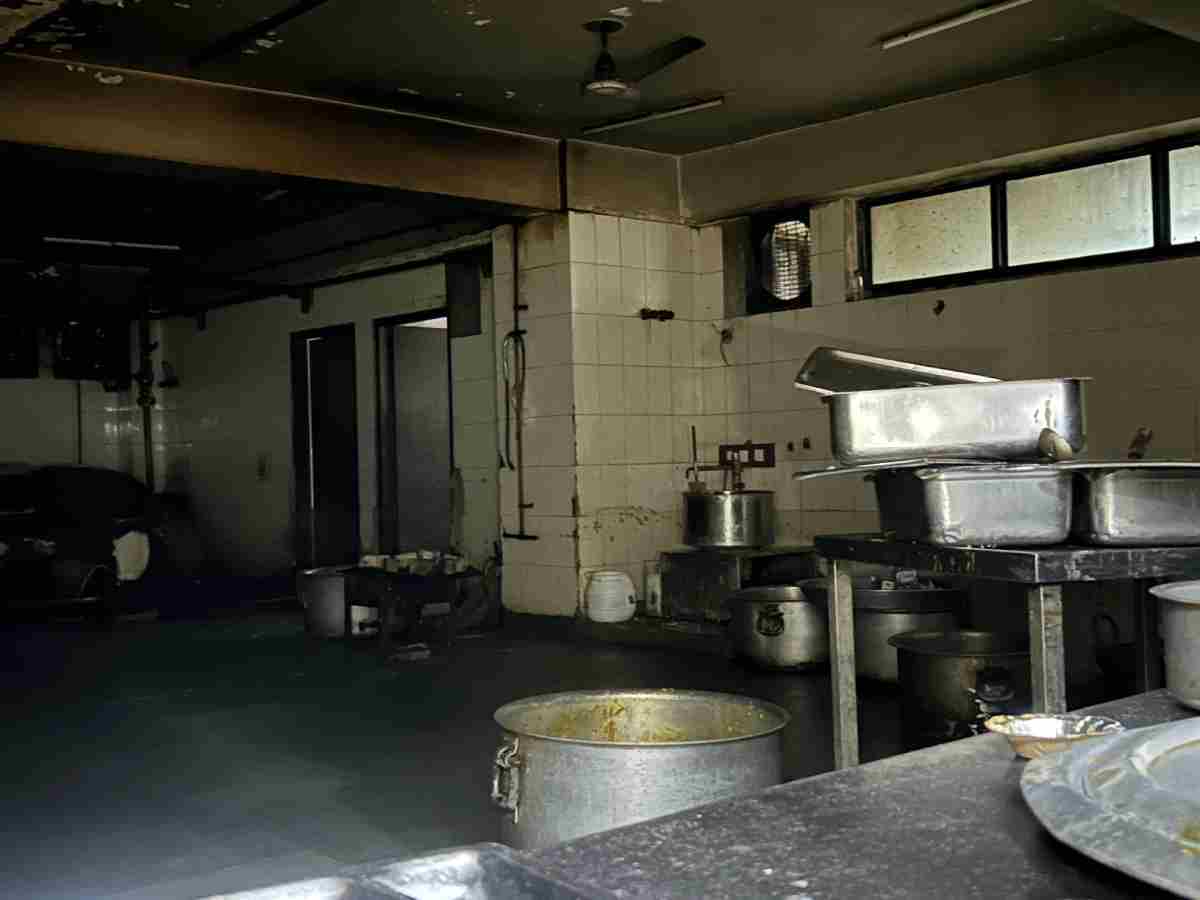
“Even though pest control is done, students still keep seeing insects in the mess. Sometimes the problem comes back within days,” Manu said.
Harmanpreet, an MA Sociology student, said hygiene concerns were also visible in the food and water facilities.
“An insect was found in my food recently. Drinking water is also a major issue because there is often no water in the filter at night,” Harmanpreet said.
Students said they had repeatedly raised the problem with the authorities but had not seen a permanent solution. Harmanpreet also raised concerns about washroom cleanliness.
Students reported a recent case in which a resident developed typhoid and was taken home, while another student was said to have suffered food poisoning. No independent evidence establishes that either illness was caused by hostel food, and the claims could not be medically verified for this report.
“When a student has to go home because they are unwell, it also affects their classes and studies,” a student said.