As the skies grow heavy with grey clouds and the scent of the soil rises from the earth, India quietly steps into one of its most sacred and soulful months — Saawan, also known as Shravan. Starting this year from July 11, Saawan brings with it a mix of spiritual fervour, age-old rituals, monsoon romance, and seasonal indulgence. Whether you’re humming a folk song on your balcony or visiting a Shiva temple in soaked slippers — Saawan, especially in North India, is more than a month; it’s an emotion.
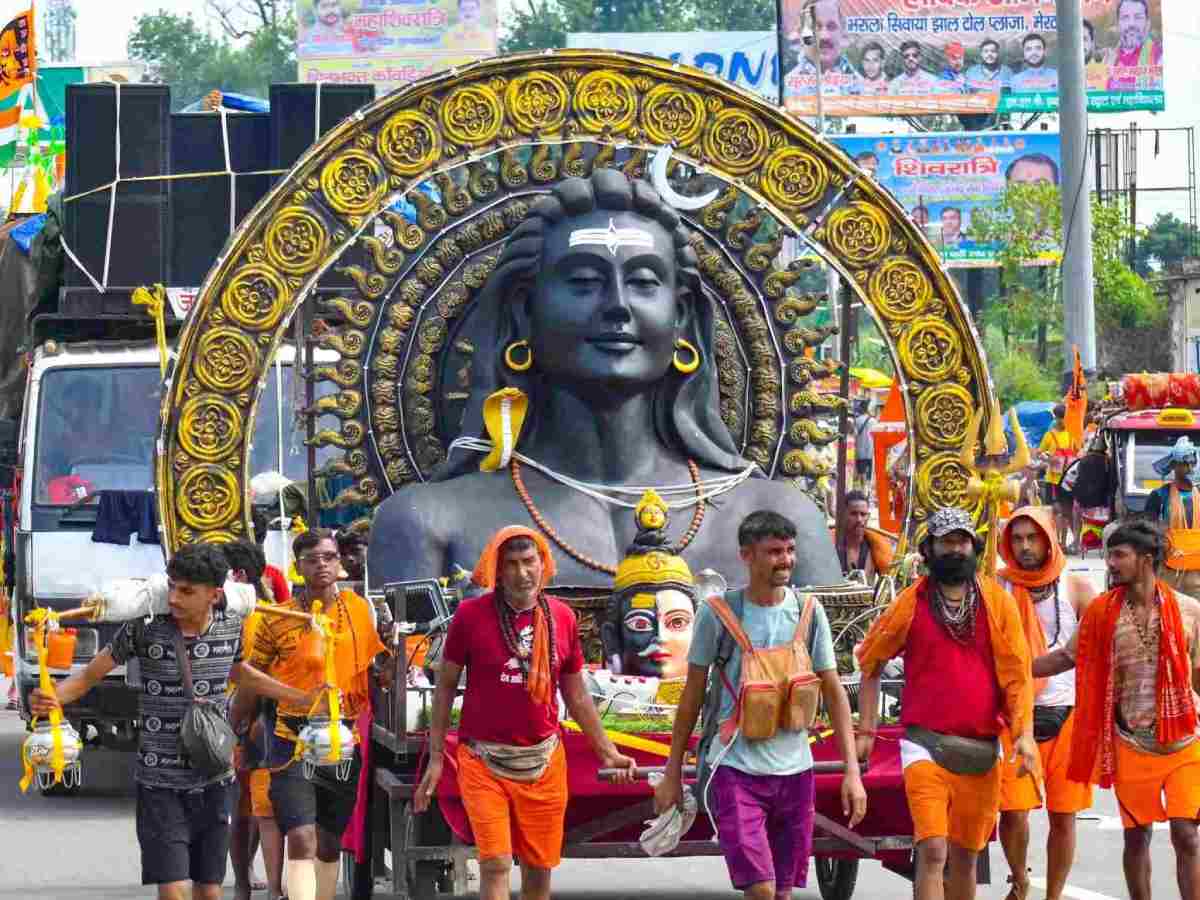
Saawan is the fifth month of the Hindu lunar calendar and is considered the holiest month for Lord Shiva devotees. According to mythology, this was the time when Lord Shiva consumed poison during the churning of the ocean (Samudra Manthan) to save the universe. To ease the pain from the poison, devotees offer water, milk, and Bel Patra to him throughout Saawan. As a result, his followers observe this month with fasting, prayer, and offerings meant to soothe the deity who bore the pain of saving creation itself.
The month typically falls between mid-July and mid-August, aligning with the monsoon season — a time when rivers swell, crops rejoice, and everything feels a little more alive.
Also read: Artix 4.0 art fair at Claridges promises immersive art experience
Rituals and devotion: The auspicious Mondays
Saawan Somvars (Mondays of Saawan) are considered highly auspicious. Devotees observe fasts, visit Shiva temples, and offer water, milk, curd, ghee, honey, and sugar — the ‘Panchamrit’ — to the Shiva Lingam. Many unmarried women observe the 16-Monday fast (Solah Somvar Vrat), praying for a loving and ideal life partner or the well-being of their families.
The mood of Saawan is unique — it is devotional, yet celebratory. Temples across Delhi and North India overflow with devotees during the sacred month. On Mondays, one can witness long lines outside ancient shrines like those in Nizamuddin, Chhatarpur, or Nehru Place, where devotees carry pots of milk and water, climbing temple stairs barefoot to pour their offerings over the Shiva Lingam. The chant of “Om Namah Shivaya” reverberates through temple courtyards as the scent of incense sticks (agarbatti) mixes with petrichor, creating a kind of monsoon magic that feels older than time.
Fasting is a key part of this month’s spiritual practice. The fasting is not one of deprivation but of ritual purity — people avoid grains and salt, and meals are made with singhara atta, kuttu flour, sabudana, and milk-based dishes, often accompanied by fruits and seasonal delicacies. The menu may be minimal, but it’s rich in tradition.
But Saawan isn’t just about rituals — it’s also deeply cultural and feminine. The month is closely associated with green, the colour of fertility, freshness, and marital bliss. In marketplaces across Delhi — from Lajpat Nagar to Kamla Nagar — green glass bangles glisten in shopfronts, women bargain for embroidered green sarees, and the smell of fresh mehendi being applied lingers in the air. One can still hear folk songs of Kajri and Teej being sung in small neighbourhood gatherings or on old speakers in parks like Lodhi Garden, where elderly women gather under trees for nostalgic afternoon chats.
Among the festivals that fall within this month, Hariyali Teej holds a special place. It celebrates the union of Lord Shiva and Goddess Parvati and is observed primarily by married women. In the days leading up to it, you’ll see swings decorated with flowers hanging from neem trees and women dressed in green and gold, with henna-dyed hands, singing traditional songs and sharing festive sweets. Another key festival during this time is Naag Panchami, a day dedicated to the worship of serpents, which are considered sacred and connected to Lord Shiva. Devotees offer milk and turmeric to symbolic snake idols or to snake pits, in hopes of blessings and protection.
Of course, no Indian celebration is complete without food, and Saawan brings its own seasonal treats. While many observe fasts and avoid grains, the post-puja plates are never dull. Dishes like sabudana tikki, vrat-friendly kachoris, and sweet potato chaat make their rounds in homes, temples, and local food stalls. One cannot talk about Saawan and ignore ghewar — a honeycomb-like sweet soaked in sugar syrup and rabri, traditionally made during this month. Shops like Chaina Ram, famous for its Saawan special ghewar, and Shyam Sweets in Old Delhi start piling up boxes weeks in advance as customers rush to take a slice of Saawan home.
Also read: YouMee’s Manga Matsuri: A mango-laced pan-Asian feast for summer
Another delightful buzz around Saawan in Delhi is the sudden and vibrant rise of mehendi artists across the city. Even if you’re not observing the rituals, the earthy aroma of fresh henna wafting through the air is enough to stop you in your tracks. Areas like Seeta Ram Bazaar in Old Delhi and Lajpat Nagar’s Central Market come alive with lanes dotted by artists sitting cross-legged, cones in hand, ready to create magic. With just Rs 50–150, you can walk away with palms adorned in deep red stains and intricate floral patterns — a little piece of monsoon tradition etched on your skin.
As Saawan begins again this year, you’ll see its signs everywhere: wet bangles sticking to wrists, mehendi darkening overnight, and steam rising from sabudana cutlets on old steel plates. Whether you celebrate it in full or only catch glimpses on your way to work, it’s hard not to feel touched by the quiet grace of this month.