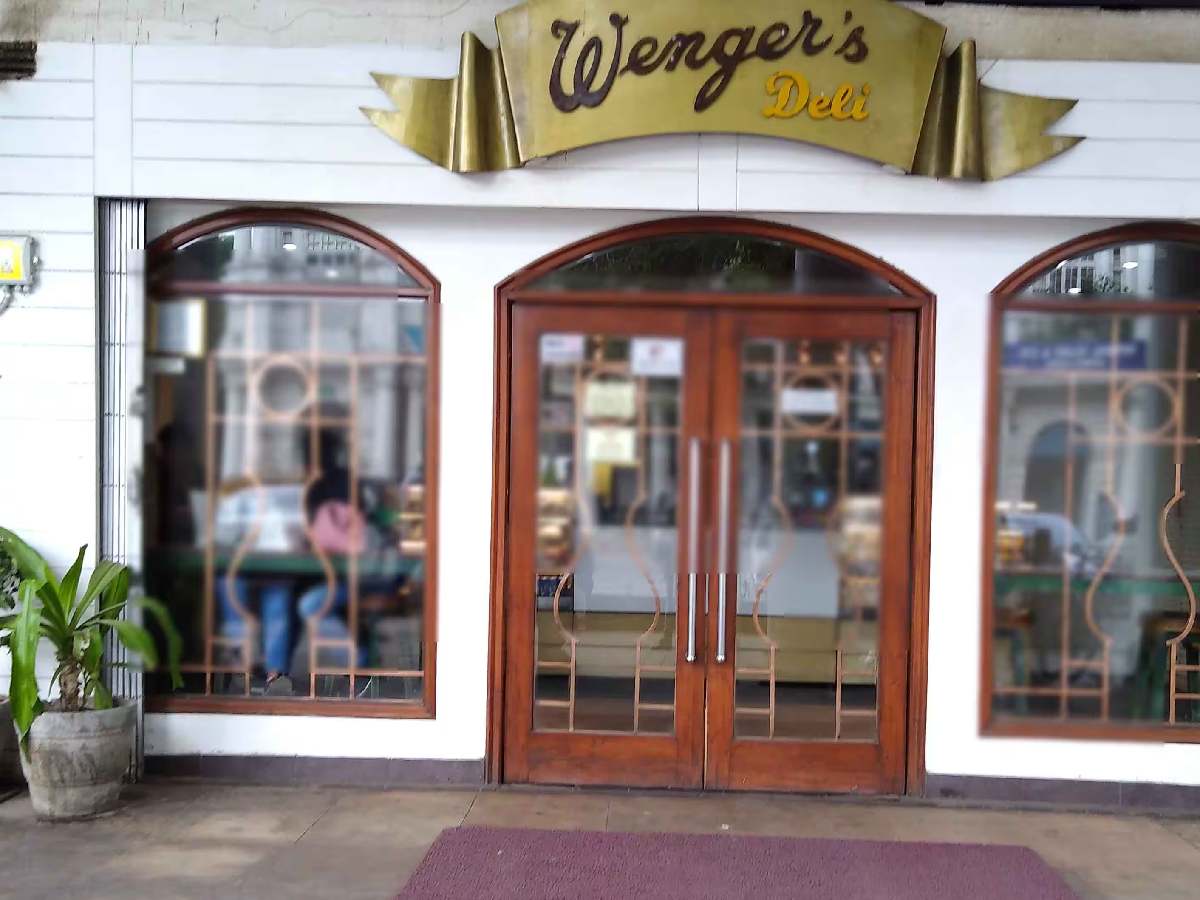
Guess why A Block in Connaught Place is always bustling and crowded? If you are a frequent visitor, you already know the answer: it is Wenger’s. This iconic bakery draws people of all ages and is arguably the most beloved brand in Connaught Place. As the new year approaches, Wenger’s marks its centenary—a remarkable 100 years of sweetness, nostalgia, and unbroken tradition in Delhi. It stands as a living testament to the city’s colonial past and its enduring evolution.
A Swiss beginning
Founded in 1926, Wenger’s is Delhi’s oldest surviving bakery and one of the few original establishments still thriving in the grand circular enclave of Connaught Place, designed by architect Robert Tor Russell as a premier shopping and business centre.
The story did not begin in Connaught Place, however. It started with an enterprising Swiss couple, Jeanne Sterchi Wenger and HC Wenger. In the mid-1920s, as New Delhi rapidly developed, they spotted an opportunity. They first launched a catering venture from the Exchange Stores in Civil Lines in 1924, serving British troops. By 1926, they opened a proper tea room and confectionery, introducing European-style baked goods to a market largely unfamiliar with them.

“Their expertise in Swiss confectionery—rich chocolates, delicate pastries, and margarine-based cakes—quickly gained traction among Delhi’s elite,” says Aruna Mukim, a former Censor Board member whose family has lived near the Exchange Stores in Civil Lines since 1936. Dr Mukim notes that the bakery’s offerings were a novelty at the time.
The golden era
Once Connaught Place was completed in the early 1930s, the Wengers secured a prime spot in A Block. The proprietors reportedly moved their residence to a building adjacent to Jantar Mantar, known then as the Lal Building, which today houses the DLF head office.
What began modestly grew into a grand two-floor European-style establishment. The ground floor featured the confectionery and tea room, the famous Rendezvous café, while the upper floor housed the elegant La Mer ballroom, a party space called the Green Room, and more. It became a social hub for British officers, diplomats, Indian royalty, and high-society figures. Reservations were often required, and the elite clientele followed seasonal migrations to hill stations like Shimla.
In those days, Wenger’s pioneered Swiss chocolates and pastries in Delhi. Flavours like chocolate, pineapple, vanilla, and strawberry were novelties. The menu expanded to include chocolate cookies, chicken-and-vegetable patties, sponge cakes, and other delights. Prices were high by Indian standards, so customers were mostly British or affluent Indians.
A lucky escape
The Quit India Movement of 1942 stirred fierce nationalist sentiment across India, including Delhi. On August 10, 1942, angry protesters burned down shops owned by Europeans in Connaught Place. Remarkably, Wenger’s was spared—it remained closed that day. Could the owners have been warned not to open that day?
Handing over legacy
As Independence neared and the ageing Swiss couple prepared to leave, they made a pivotal decision in 1945 (some sources say 1944): they sold the business to their trusted general manager, Brij Mohan Tandon, a Chandni Chowk-born Khatri entrepreneur who had earned their complete confidence. This transfer ensured the legacy survived the turbulent transition. The Tandon family—now led by Atul Tandon—has faithfully preserved and adapted it ever since. Tandon’s family has maintained the core identity of the brand for decades.
Post-Independence adaptation
After Independence, Wenger’s faced new challenges. With the departure of the British and a diversifying dining scene, maintaining the grand ballroom and full restaurant became impractical. The restaurant closed in 1979, reducing the space to the compact bakery familiar today.
“It adapted by focusing on take-away pastries, patties, and catering for embassies, the President’s office, and high-profile clients. The family introduced modern touches—like switching from margarine to butter and fresh cream—while keeping classic recipes intact,” says Dr Mukim, a regular who visits Wenger’s for cakes and patties.
A nostalgic anchor

Wenger’s remains a cherished nostalgic spot. Generations of Delhiites have celebrated birthdays with its pineapple pastries, fuelled exam seasons with chicken patties, and enjoyed Swiss rolls or plum cakes at Christmas. Famous patrons included Jawaharlal Nehru and MF Husain, drawn to the timeless Swiss chocolates and sponge cakes.
The love extends beyond Delhi. Rishikesh-based RK Gupta says, “I have been visiting Wenger’s for ages. It’s always crowded, and it’s a must-visit whenever I’m in Delhi.” Dr Gupta remains a loyal patron despite the distance.
Sweet resilience
As it completes 100 years, Wenger’s embodies resilience—a Swiss-inspired creation that became truly Indian. From feeding troops in the 1920s to delighting modern foodies, it has witnessed empires fade, independence dawn, and Connaught Place evolve from a colonial showcase to a bustling commercial hub. The original couple’s dream lives on in every bite, a sweet reminder that some traditions are worth preserving.