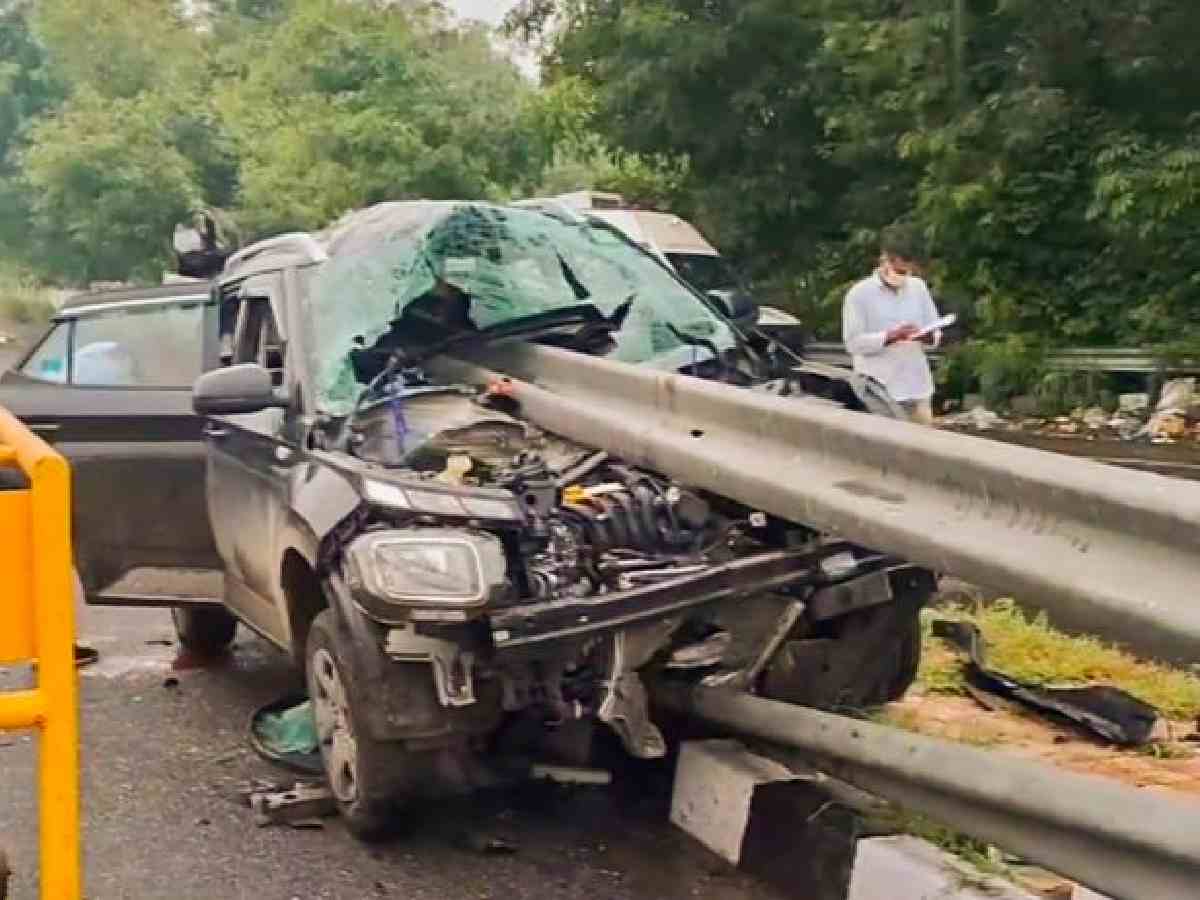
Delhi recorded 465 crashes on National Highways up to July 27, 2026, leaving 129 people dead and 382 injured, according to data tabled in Parliament by Union Road Transport and Highways Minister Nitin Gadkari.
In 2025, 759 crashes on National Highways in the Capital claimed 268 lives and left 824 people injured.
The 25–35 age group accounted for the highest number of fatalities on National Highways in Delhi, followed by those aged 35–45.
Separate data presented in Parliament showed that Delhi recorded 584 pedestrian deaths and 1,777 pedestrian injuries in 2024.
AI tools identify dangerous stretches
Replying to questions in Parliament, Gadkari said the Government had identified 6,358 accident-prone “black corridors” across the country using AI-based tools developed by IIT Kanpur and data generated through the Electronic Detailed Accident Report (e-DAR) system.
These stretches are being prioritised for engineering interventions such as crash barriers, better road markings, reflective signage, highway lighting, the closure of unauthorised median openings and traffic-calming measures.
Long-term measures include redesigning junctions, widening carriageways and constructing underpasses and overpasses.
The Ministry has also made third-party road safety audits mandatory at every stage of National Highway projects, from design and construction to operation and maintenance. Road Safety Officers have been designated in every regional office.
The e-DAR platform has been strengthened to serve as a central repository of crash data for scientific analysis and policy interventions. New guidelines have also been issued to improve highway signage and visibility.
Driver training and vehicle safety
The ministry has expanded driver-training infrastructure by revising the scheme for Institutes of Driving Training and Research, Regional Driving Training Centres and district-level Driving Training Centres. The revised scheme provides greater financial assistance to such centres.
Automated Driving Testing Stations are also being promoted to improve the quality of driver licensing.
Vehicle-safety norms have been tightened by making airbags for front-seat passengers, seat-belt reminders, overspeed warning systems, reverse-parking alerts and anti-lock braking systems mandatory for different categories of vehicles.
The government has also introduced the Bharat New Car Assessment Programme (BNCAP), strengthened seat-belt norms, promoted automated vehicle-fitness testing and implemented the Vehicle Scrapping Policy.
Advanced driver-assistance systems will be introduced in phases for medium and heavy commercial vehicles from 2027. Electric vehicles manufactured from October 2026 will also be required to have acoustic vehicle-alerting systems.
Enforcement has become increasingly technology-driven, with electronic highway monitoring systems and an e-challanmechanism that provides for online dispute resolution.
The government has also constituted the National Road Safety Board, issued guidelines for State Road Safety Funds and launched the PARIVARTAN Scheme to accelerate the replacement of old and polluting vehicles with cleaner and safer alternatives.
No cashless-treatment claim approved in Delhi
Emergency response has been strengthened through the Prime Minister’s Road Accident Victims’ Hospitalisation and Assured Treatment Scheme (PM-RAHAT), launched nationwide on February 13, 2026. It provides cashless treatment to road accident victims.
As of July 28, 12,727 claims had been filed across the country. Of these, 9,601 had been approved and 7,871 settled, with Rs 10.1 crore disbursed towards treatment.
In Delhi, however, only seven claims had been filed under the scheme. None had been approved or settled as of July 28.
The government has also revised the Rah-Veer Scheme, raising the reward for Good Samaritans from Rs 5,000 to Rs 25,000.
Compensation in hit-and-run cases has been increased from Rs 12,500 to Rs 50,000 for grievous injuries and from Rs 25,000 to Rs 2 lakh in cases of death.
Ambulances staffed by trained emergency personnel are also being deployed at toll plazas along completed National Highway corridors.
Highway projects in Delhi
Gadkari informed Parliament that the National Highways Authority of India (NHAI) had completed 10 National Highway projects worth Rs 15,709.75 crore in Delhi over the past five years.
The projects include the Dwarka Expressway, Urban Extension Road II (UER-II), Delhi-Saharanpur Highway Package I, DND-Maharani Bagh-Jaitpur Access Controlled Highway, Jaitpur-Faridabad Access Controlled Highway, the Bahadurgarh Bypass spur and the NH-344P corridor connecting Bawana with Sonipat.
The Centre has also taken over the maintenance and upgrade of several strategic road stretches from the Delhi Government’s Public Works Department. These include MG Road from Andheria Mod to the Delhi-Haryana border, the Ashram Chowk-Aali Village section of NH-44 and the Punjabi Bagh-Tikri Border stretch of NH-9.
Routine maintenance is under way, while detailed project reports have been prepared for the long-term improvement of these stretches.
Contractors responsible for defects
Responding to concerns over potholes on the Delhi-Dehradun Access Controlled Highway, Gadkari said the expressway was covered by a 10-year defect-liability period, making contractors responsible for repairing defects at their own cost.
He said two potholes reported on the expressway had already been repaired.
Also Read: Delhi’s highways account for nearly one in five road deaths
The ministry also informed Parliament that 103 contractors, concessionaires and agencies had been blacklisted or penalised during the past three financial years for poor-quality work or violations of tender conditions in National Highway projects.