The onboarding of a driver with a history of multiple criminal cases has raised questions about the background verification practices of major app-based cab aggregators. The issue came to light after the driver, 29-year-old Basu Kumar Singh, was accused of the rape and murder of a 10-year-old homeless girl in South Delhi’s Mehrauli.
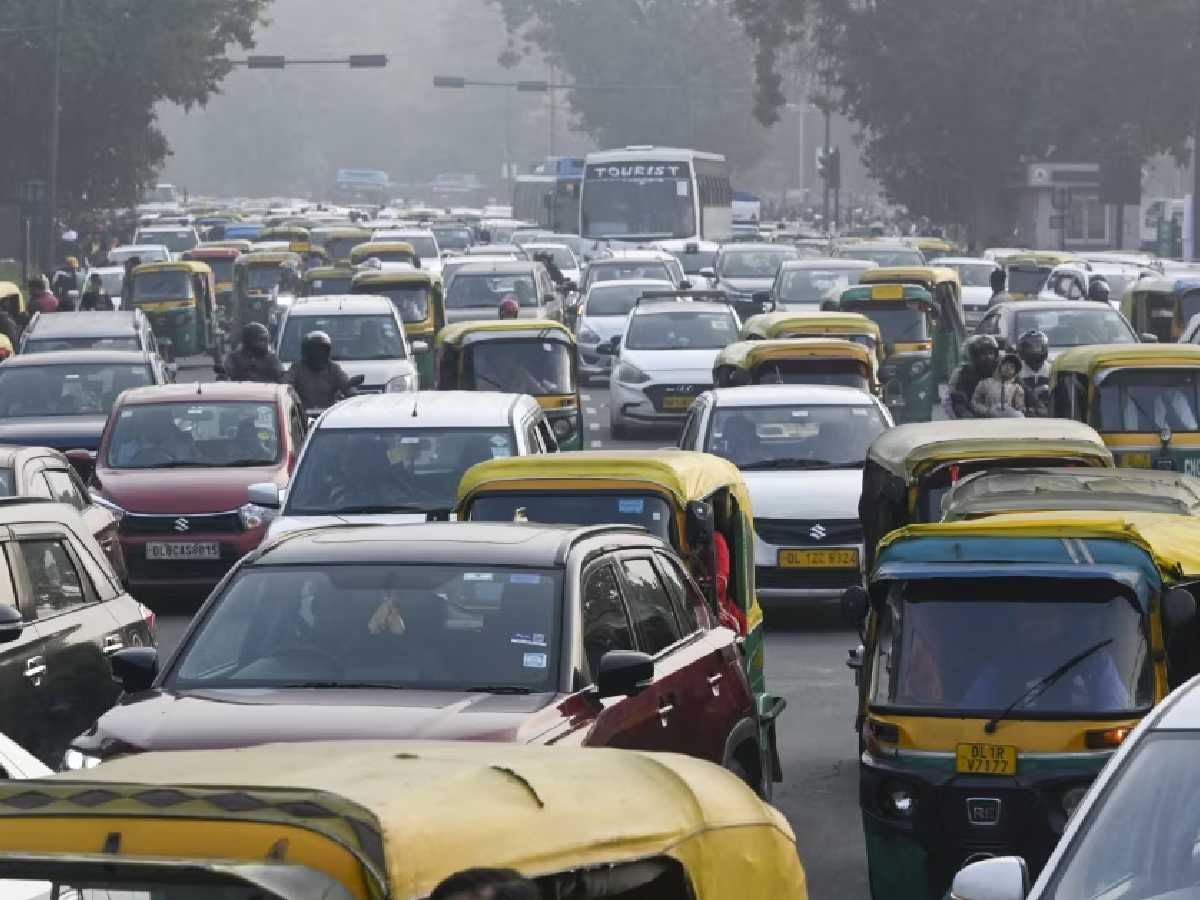
Despite being named in five criminal cases in his native state of Bihar, including two cases of attempted murder, Singh had been operating in the Delhi-NCR region for nearly five years, working with multiple major ride-hailing platforms without his criminal record being flagged.
Verification gaps
While drivers acknowledge that gaps in the registration process can be exploited, passengers often find that the driver or vehicle that arrives does not match the details shown on the app.
“Once, the name and photo didn’t match the cab driver who came to pick me up,” says Manoj Dawn, a commuter. “Often, I have to ask around to confirm who the driver is because there are mismatches in the number plates.”
For Abhijay Sai, who uses two major cab-hailing platforms almost every day, the problem extends beyond cars to bike taxis as well. “Many times, the bike that arrives to pick up a passenger does not match the details shown on the app. There have also been instances when neither the driver nor the vehicle matched the information provided on the application,” he says.
Eligibility criteria
According to the onboarding requirements listed by major ride-hailing platforms, prospective drivers must submit documents including a PAN or Aadhaar card, driving licence, vehicle registration certificate, insurance papers, address proof and commercial permits. If the vehicle is registered in another person’s name, they must also provide a no-objection certificate or an affidavit.
Most ride-hailing platforms say these documents are verified through internal screening, third-party background checks and periodic automated facial recognition. However, industry representatives argue that these measures are not a substitute for comprehensive verification. Sanjay Samrat, President of the Delhi Taxi and Tourist Transporters Association, believes platforms should also be held accountable when their verification processes fail. “Aggregators that fail to conduct adequate background checks should also be held equally accountable in such cases,” he says.
Onboarding and licensing norms
Driver verification requirements also vary across platforms, resulting in differences in onboarding standards. Industry representatives say changes in licensing rules have further complicated the process. According to Ravinder Singh Rathore, Vice-Chairman and President of the Delhi Auto Taxi Transport Union, drivers of commercial vehicles weighing under 7,500 kg have not been required to hold a commercial driving licence for the past few years.
“The Supreme Court ruling was intended to simplify insurance claims for accident victims. While most aggregators require commercially registered vehicles with yellow number plates, not all platforms insist on a commercial licence,” he says.
Platform safety measures
To strengthen their verification processes, ride-hailing platforms also rely on digital safeguards such as automated facial verification. Chandrakesh Upadhyay, Joint Secretary of the Delhi Auto Taxi Transport Union and a cab driver, says drivers are periodically required to complete facial verification through the app.
“Daily facial confirmations are undertaken wherein the driver is expected to be seated inside the vehicle. These prompts appear after a few rides,” he explains.
While drivers undergo repeated facial verification, vehicle photographs are typically submitted only during the initial registration process, allowing a change of vehicle without fresh verification. Other safety measures, including real-time GPS tracking, passenger ratings and feedback, periodic document re-verification and occasional follow-up calls to passengers, are also used by platforms.
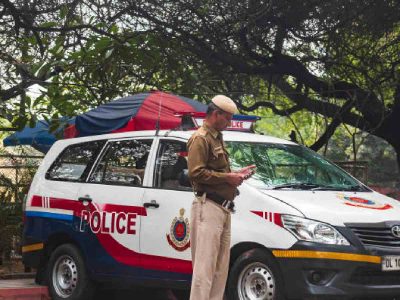
Following the Mehrauli case, Delhi Police is considering measures to strengthen oversight of ride-hailing platforms. Officers said they are writing to the Delhi government seeking stricter regulatory norms, including more robust background verification to prevent individuals with criminal records from registering as drivers.
“This is under consideration,” an officer said.
Police have identified the platform Singh was driving for at the time of the incident and have sought details, including his driving history, passenger records and any previous customer complaints, as part of the investigation. Investigators are also trying to trace the passenger who is believed to have booked a ride with Singh shortly after the alleged crime.
Urban shelter proposal
The investigation has also drawn attention to the vulnerability of homeless families in the area.
Police said they are writing to the South Delhi District Magistrate, urging the administration to establish more shelter homes so that homeless families can be moved to safer accommodation. “We will also ask the authorities to counsel such people and enrol them in the organised sector so they can find work and secure shelter. The focus will be on women and children, who remain the most vulnerable,” a police source said.
- The ride-hailing platforms have been contacted for comment. Their responses were awaited at the time of publication.