On June 10, Delhi Customs officials foiled an attempt to smuggle a suspected drug worth approximately Rs 5.38 crore into India at the Indira Gandhi International Airport.
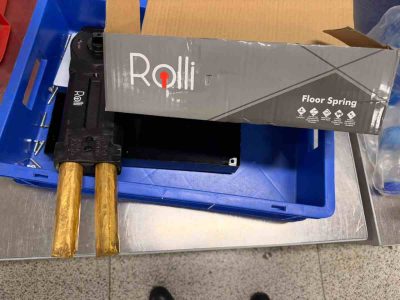
The substance, suspected to be hydroponic weed, was concealed inside two brand-new geysers carried by two passengers arriving from Malaysia. It was seized by the Air Intelligence Unit at the airport on June 7, according to a statement issued by the Customs Department.
The passengers arrived from Kuala Lumpur on an AirAsia flight (D7-182) and were arrested under the Narcotic Drugs and Psychotropic Substances Act, 1985. They were intercepted after crossing the green channel at the airport.
Customs officials said the operation was based on passenger profiling and specific intelligence inputs. During surveillance, officers became suspicious because the passengers were carrying two new geysers in addition to their checked-in luggage. The officers then took the suspects for interrogation and examined their mobile phones.
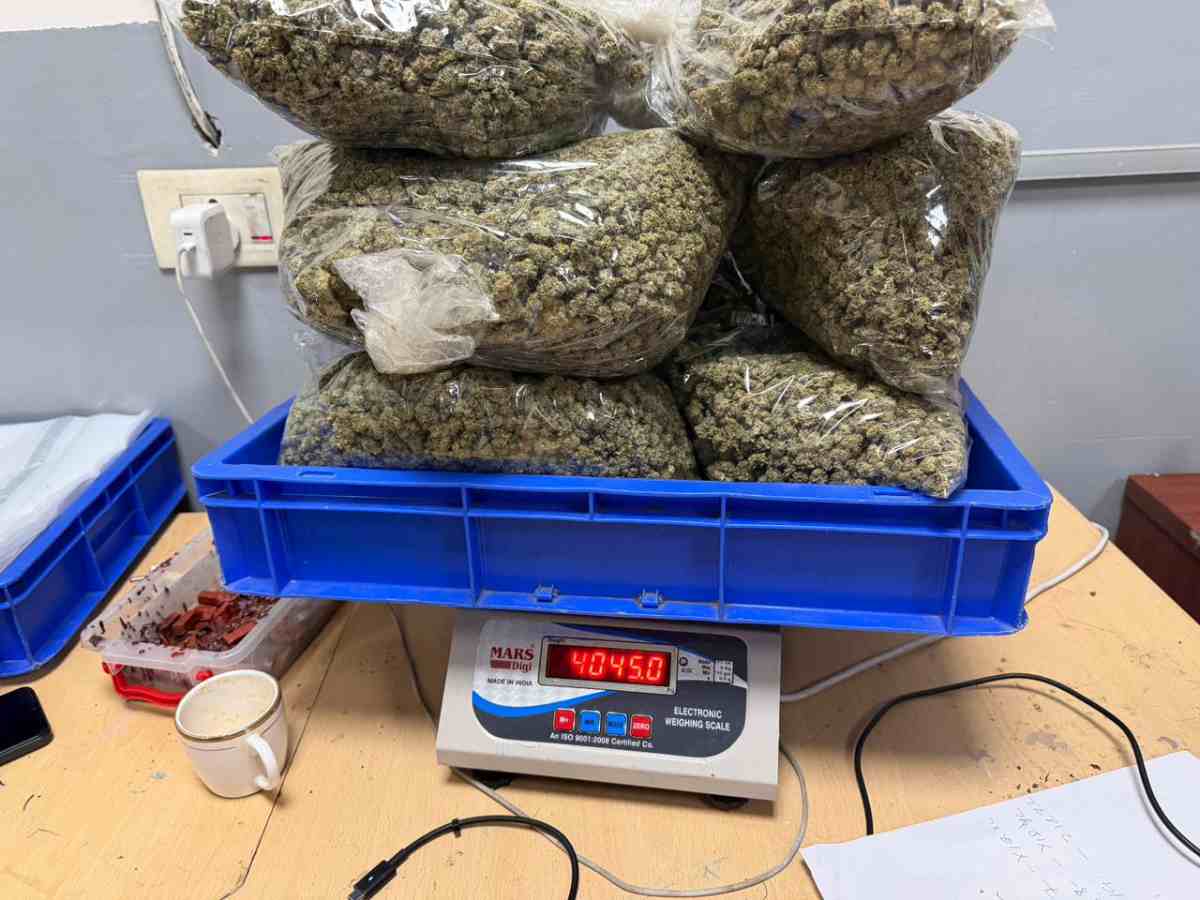
145 sealed packets
An X-Ray of the geysers revealed the possible presence of concealed material inside the appliances, after which both the geysers were dismantled and the substance discovered. A hundred and forty-five vacuum-sealed packets containing a green leafy substance were recovered. The seized substance weighed 15.38 kg. A forensic examination to determine its exact nature is pending, while investigators are working to trace its origin and intended destination.
Hydroponic weed is considered a highly potent variety of cannabis cultivated using nutrient-rich water solutions. It has a higher market value than conventional cannabis and is increasingly turning up in narcotics seizures involving passengers arriving at Indian airports.
According to Delhi Police, 1,713 individuals have been arrested in 1,361 NDPS Act cases so far this year, up to May 31. Recoveries include 1,339 kg of cannabis (including hydroponic weed), 23.3 kg of hashish, 19.2 kg of heroin, 10.9 kg of opium, 70 kg of poppy husk and 2.2 kg of cocaine, along with various other contraband items (all figures approximate).
Police officials say hydroponic weed is often recovered in areas frequented by students and young professionals. A senior official said the drug is most commonly found in areas with a high concentration of students and young working professionals. “North and South Delhi, specifically in places around North and South Campus, or places close to IT hubs, have seen a major spurt in the availability of such drugs. These drugs, which attract a more premium clientele, are mostly found in these places. They include cocaine, OG or hydroponic weed, comparatively purer strains of ganja, meth, and sometimes synthetic drugs,” he said.
Drug mules
Police have also arrested students in some recent drug-related cases. On June 9, a 22-year-old student from Delhi University was arrested for possessing 195 grams of hydroponic marijuana worth approximately Rs 20 lakh. The accused, Jaseem Siyadul Farsan MP, is an eighth-semester BA student at Delhi University’s Satyawati College. Originally from Kozhikode, Kerala, he had been residing in Vijay Nagar, North Delhi.
Acting on a specific piece of intelligence regarding the sale of the drug near a park in Vijay Nagar, the police conducted a raid and apprehended the student. During the operation, the officers recovered the vacuum-sealed contraband from his possession. The accused, under interrogation, admitted to trading the drug to earn quick money and to supplying drugs to fellow students at Satyawati College and other local contacts. A case was registered under the NDPS Act at the Model Town police station. Investigators are now trying to identify the wider supply chain and the original source of the substance.
“It is easy money for them. However, sometimes there are also certain situations when a dealer themselves request a client to deal for them, asking them to act as a drug mule. The client then agrees, in return for either a commission in the form of a share of the proceeds or a share of the drug itself. It is a fairly clandestine and mutually beneficial contract,” a senior official said.
In 2025, 2,154 cases under the NDPS Act were registered in Delhi, and 2,853 drug traffickers were arrested.
The Government of India has adopted a policy of zero tolerance on drugs and is pursuing stringent measures to curb the menace. Delhi Police is organising “Nasha Mukt Bharat Pakhwada” from June 12 to 26, 2026, featuring a series of awareness and outreach programmes aimed at sensitising citizens—especially young people—to the menace of drugs.