
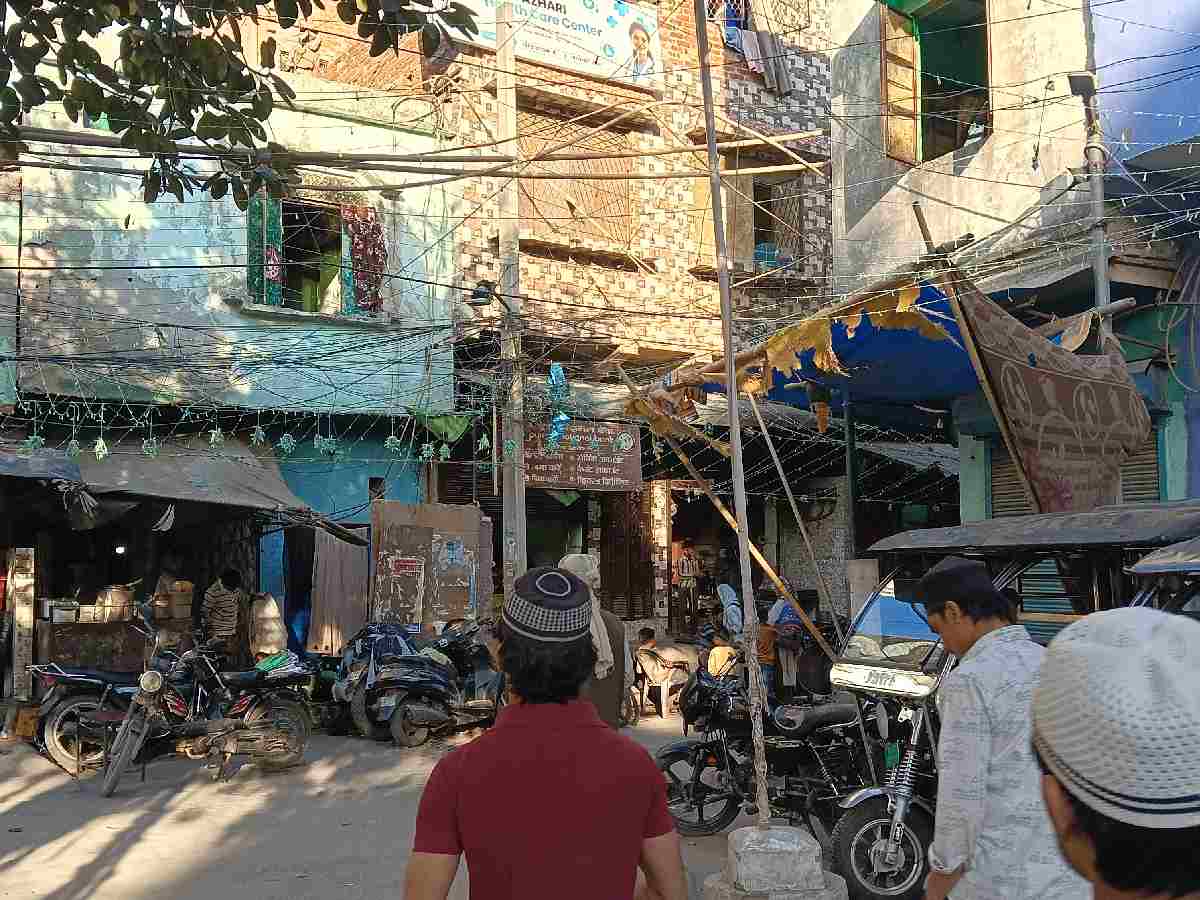
The Delhi Government is set to draft a comprehensive road map to regularise over a million households across 1,511 unauthorised colonies. The initiative will combine administrative reforms, digital integration, and rigorous monitoring to prevent further building violations.
As part of the strategy, 13 dedicated teams will be established, with one stationed in each district. Each team will be led by an Additional District Magistrate and will include six members responsible for overseeing implementation on the ground.
A senior official said the entire process must be completed within 45 days from the date an individual applies for an authorisation slip or conveyance deed. The deed itself must be issued within the same timeframe.
The eligibility cut-off date for the regularisation process has been set as June 1, 2014. Only residents who owned their properties before this date are eligible to apply. It is estimated that around 10,000 households fall into this category.
Digital integration and policy shift
The government is preparing a detailed standard operating procedure to clarify the roles of the revenue department and the Municipal Corporation of Delhi (MCD), aiming to streamline the process from application to registration.
Three digital platforms — the MCD’s Swagam portal, the PM-UDAY portal, and the National Generic Document Registration System — will be integrated to ensure transparency and a smooth workflow.
The revenue department will manage the PM-UDAY portal, which is essential for obtaining the cards required to apply for ownership slips. Once the procedure is finalised, it will be submitted to higher authorities and the Lieutenant Governor for approval.
This move follows a Central Government decision on April 7 to relax regularisation norms, allowing 1,511 colonies to be brought into the official framework on an “as is, where is” basis. This removes the earlier requirement for approved layout plans.
Residents can now have building plans drafted by architects registered with the MCD and apply through the Swagam portal to secure legal ownership rights.
To curb further unauthorised construction, the MCD plans to conduct drone surveys powered by artificial intelligence every two months. These surveys will identify new structures or unauthorised vertical expansions.
An official said any fresh construction that does not align with existing structures or approved building plans will be flagged for immediate enforcement action.
A growing urban concern
The Delhi Development Authority (DDA) has identified 1,731 unauthorised colonies along with 69 affluent but unregulated neighbourhoods in upscale areas, none of which comply with civic guidelines.
Earlier, residents could obtain land ownership by submitting documents to the DDA, while regularisation required MCD approval of layout plans prepared by resident welfare associations. This included ensuring services such as water supply, sewage networks, solid waste management, and removal of overhead electric cables.
Under the new policy, colonies will be regularised without approved layout plans. “Absence of approved layout plans will not be a barrier to regularisation,” the Delhi Government had said.
The policy notes that while the MCD may undertake improvement works, these are not mandatory.
Concerns over unsafe construction
Experts have raised concerns over the lack of checks and balances in the regularisation process.
Architect Pradeep Sharma said many buildings in these colonies use substandard materials, raising concerns about durability. “Structures in these areas deteriorate far more rapidly due to poor quality components and a total lack of oversight. Compared to a regularised colony, a 20-year-old property in an unauthorised colony is at significant risk of collapse. Buildings in authorised zones remain durable because they are constructed according to strict safety regulations,” he said.
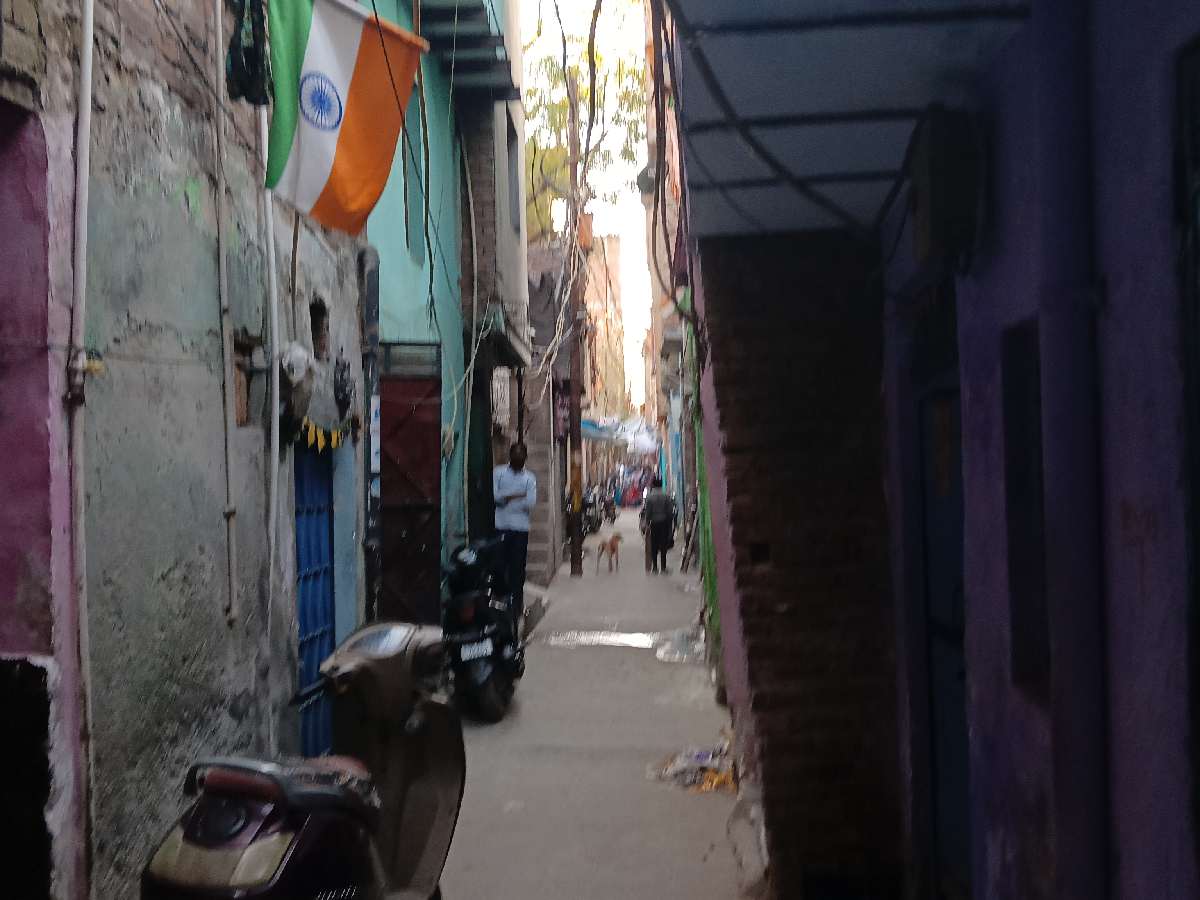
Pushkar Pawar, an urban planner empanelled with the MCD, said such buildings often violate norms. “These buildings often violate regulations by using substandard materials and ignoring spacing requirements. Some submit plans for three-storey buildings but construct five storeys, overloading foundations designed for less.”
Frequent building collapses raise alarm
According to Delhi Fire Service officials, these colonies are at the highest risk of building collapses, with most incidents occurring in unregulated zones. Officials attributed this to unchecked vertical expansion and non-compliance with MCD building bye-laws.
On April 11, the roof of a building in Wazirpur JJ Colony under Bharat Nagar Police Station collapsed, killing a five-year-old boy and injuring a 10-year-old girl.
Witnesses said several children were playing nearby when the structure gave way with a loud crash. While locals managed to rescue the children, the boy succumbed to his injuries.
Data from the Delhi Fire Service shows that between April 1 and September 30, 2025, the city recorded 384 building collapses. In comparison, 247 collapses were reported between April 1, 2024, and March 31, 2025.
Between 2022 and 2023, 349 collapses resulted in 43 deaths and 315 injuries. The following year saw 34 fatal collapses and 213 non-fatal incidents, claiming 23 lives and injuring 171 people.
Experts warn that without strict enforcement of building norms, regularisation alone will not make these colonies safe. Instead, they caution, such areas risk becoming “ticking time bombs” for residents.