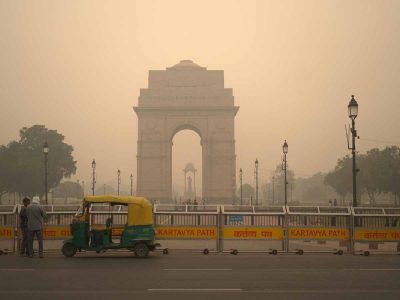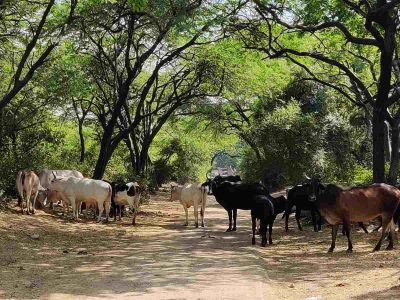
Across the city, veterinarians and rescuers say distress calls involving birds and stray animals suffering from dehydration, heatstroke, and infections have risen sharply over the past few weeks as prolonged dry conditions and extreme temperatures continue to batter Delhi-NCR. Delhi has been reeling under heatwave conditions in recent days, with temperatures crossing 45 degrees Celsius in several areas, leading to heatstroke cases, extremely dry conditions, and unusually warm nights.
According to Delhi Fire Services (DFS) data, 1,270 animal rescue calls and 955 bird rescue calls were recorded till May 24 this year.
However, May itself recorded only 16 animal rescue calls and eight bird rescue calls till date, even as DFS remained occupied with rising heat-related emergencies and fire incidents.
According to data accessed by Patriot, rescue calls involving animals and birds increased alongside fire-related emergencies.
Rising rescue calls
To put matters into perspective, DFS received 2,663 fire calls in April, alongside 329 animal rescue calls and 179 bird rescue calls. In March, the department recorded 1,538 fire calls, 308 animal rescue calls, and 247 bird rescue calls.
Till April 2025, DFS had already recorded 1,066 animal rescue calls and 639 bird rescue calls.
While many rescue calls involve animals and birds trapped in narrow spaces, several cases are linked directly to extreme heat and dehydration.
Veterinarians across Delhi say the number of such heat-related cases has risen significantly this summer.
One veterinarian said his facility is currently receiving nearly 20 bird cases daily linked to heat-related illnesses, marking an estimated 50% rise in recent weeks.
“Most of the birds coming to us are pigeons. A large number are suffering from pigeon pox, an infection that spreads more during periods of extreme heat and poor conditions. We are also receiving other birds, besides horses and cows suffering from dehydration, heatstroke, and immobility,” he said.
Pigeon pox is a viral disease affecting pigeons and other birds, causing lesions, weakness, and feeding difficulties. Experts said extreme heat, stress, and unhygienic surroundings often aggravate the spread of such infections.
Heat-related illnesses
Another veterinarian working in Shahdara and Chandni Chowk said he was currently receiving nearly 70 to 80 cases daily involving birds suffering from dehydration, breathlessness, and heat-related distress.
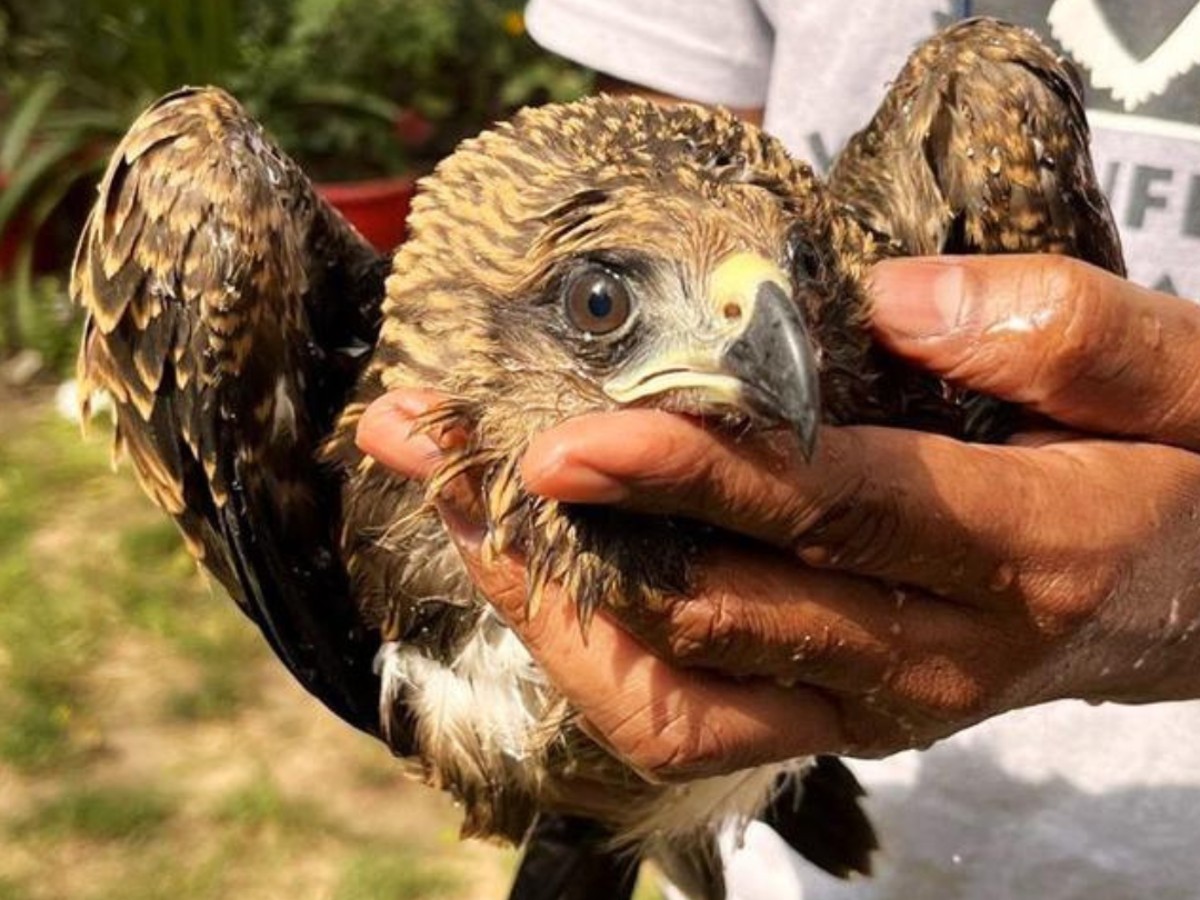
“Most of the cases involve pigeons, black kites, and eagles. Many birds are brought to us unconscious because of the heatwave. We administer ORS and fluids to help them regain consciousness and recover,” he said.
“Some birds arrive in extremely critical condition, and we are unable to save them. But when we receive calls in the early stages, treatment becomes easier and survival chances improve significantly,” he added.
Animal welfare activist Priya Sharma said her group had also been rescuing stray dogs, cats, and other street animals suffering from dehydration and gastrointestinal infections during the summer.
“Garbage decomposes much faster during summer. When animals consume food from garbage dumps or trucks, they suffer toxicity and gastrointestinal infections. Pig fever is also becoming a major issue,” she said.
Sharma urged residents to place bowls of drinking water and create shaded resting spots for animals in their neighbourhoods.
“Everybody has dogs and other animals in their lanes. People should keep water and some shaded space for animals, especially during such harsh weather,” she added.
Water and shade
Dr Rajesh Verma, who runs round-the-clock bird ambulance services across Delhi-NCR along with his brother Dr Vikram Verma, said they were currently receiving around 40 distress calls daily related to birds affected by heatstroke and dehydration.
“We have seen nearly a 30% rise in heat-related cases. Many birds are found unconscious because of dehydration and heatstroke. We rescue them and provide treatment immediately,” Dr Rajesh said.
Also Read: AIIMS subway is full, a shelter 2 km away empty
He said eagles accounted for a large share of birds being rescued during the ongoing heatwave.
“People sometimes keep food and water for pigeons and other domesticated birds, but eagles do not have such access. They end up severely dehydrated and are often found lying unconscious,” he said.
Dr Vikram said they had launched a large-scale outreach campaign to help animals survive the summer.
“We have started distributing 10,000 water pots free of cost so that people can keep them outside their homes for birds and stray animals. Once these birds become unconscious, they also become vulnerable to attacks by other animals, leading to injuries requiring additional treatment,” he said.
Dr Alok Gupta said most resident bird species in Delhi were adapted to high temperatures, but rapid urbanisation and shrinking wetlands were making survival increasingly difficult.
“Most resident birds in Delhi have lived here for thousands of years, so they are adapted to the heat. The real problem is rapid urbanisation, reduction in wetlands, and shrinking green cover because of which birds are unable to access enough water,” he said.
“We advise people to keep a bowl of clean water in a shaded area and refill it at least twice a day. Make sure the bowls are clean. Birds do not need feeding because they are capable of finding food on their own, but water is the major issue during this season,” he said.
“It is very important to place the bowl in a shaded spot. If water is kept in direct heat, bacteria grow quickly. Clean bowls and fresh water twice a day can go a long way in helping birds survive the summer,” he added.
Another veterinarian, who did not wish to be named, said peacocks, kites, and other large birds were increasingly being brought in with dehydration and heat stress, while several street dogs and cats were also arriving with breathlessness and exhaustion linked to the extreme weather.
“Peacocks, kites, and other large birds are increasingly being found weak or disoriented in open areas. Heat stress affects their movement, feeding, and ability to fly. Dehydration is becoming a common problem this season. We are also treating street dogs and cats arriving with breathlessness and heat-related distress,” the veterinarian said.
Animal welfare groups and veterinarians have appealed to residents to place earthen water bowls on balconies, rooftops, and outside homes to help birds and stray animals cope with the extreme summer conditions.