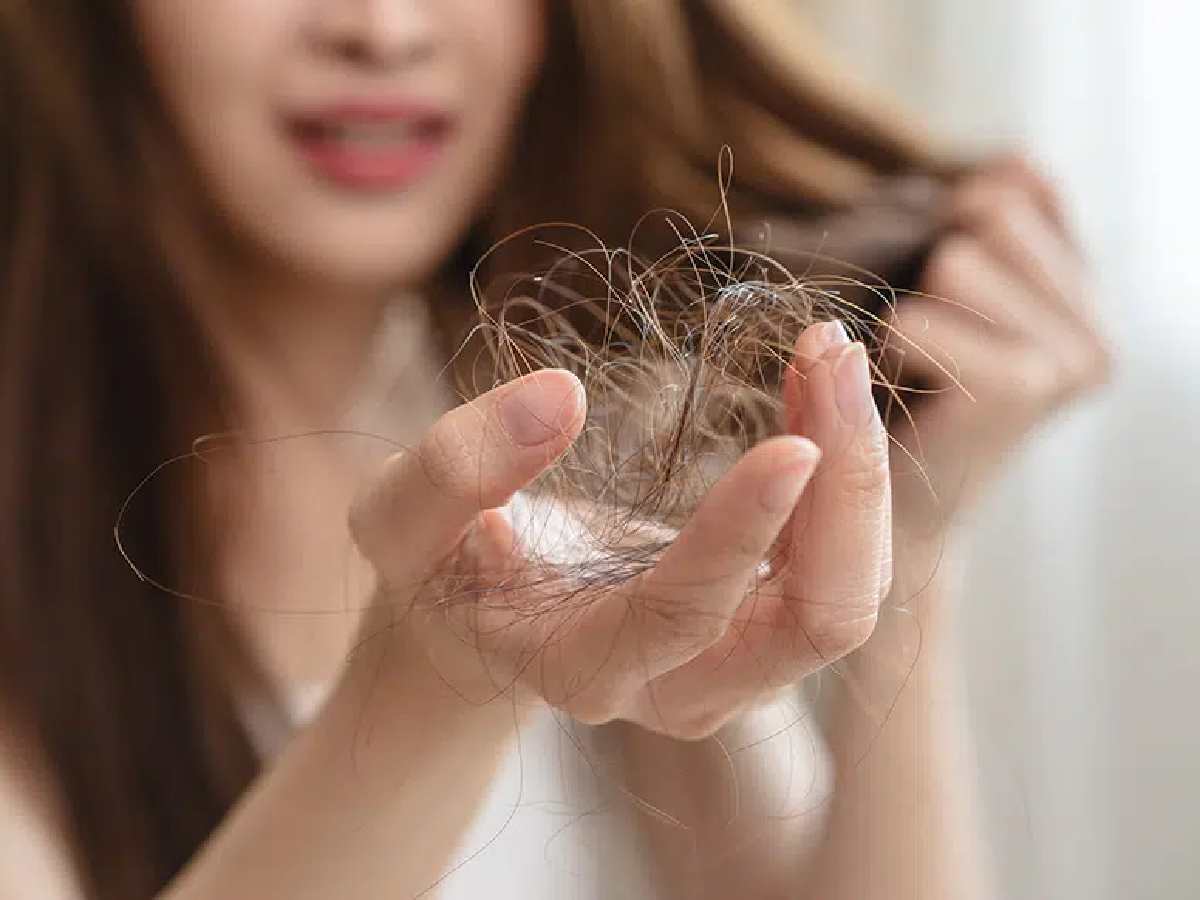
Receding hairlines, once associated with people in their 30s and 40s, are now becoming a reality for many Indian teenagers and young adults. Dermatology clinics across the country are seeing an increasing number of patients—some as young as 16—complaining of thinning hair, bald patches, and visible scalp.
Recent studies highlight the trend. A 2023 survey by Traya Health involving over five lakh Indian men found that more than 50% of those experiencing hair loss were under 25. Alarmingly, over 25% of men below 21 were already at stage 3 or beyond on the balding scale, indicating moderate to severe hair thinning.
Young women are not immune. One cross-sectional study revealed that 28.6% of adolescent girls aged 15–18 showed signs of female pattern hair loss, often linked to nutritional deficiencies, Polycystic Ovary Syndrome (PCOS), and thyroid disorders.
What was once considered an age-related or hereditary condition is now emerging as a multi-dimensional lifestyle and health issue. Experts warn that today’s youth are losing hair earlier and faster due to a dangerous mix of stress, hormonal imbalances, crash dieting, excessive styling, and the unfiltered influence of social media.
‘Patients as young as 16’
Dr Rohit Batra, Consultant Dermatologist and Laser Surgeon at Sir Ganga Ram Hospital and Head of Dermaworld Skin and Hair Clinics, confirms this trend.
“Yes, there has definitely been an increase in hair loss among young patients,” he says. “Even in cases of genetic androgenic alopecia and female pattern hair loss, children now start experiencing hair thinning as early as 16 or 18—much earlier than their parents, who would lose hair in their 30s.”
Dr Batra notes that both male and female pattern hair loss—traditionally seen in older adults—are now common in late teens and early 20s. But heredity is only part of the problem.
“Besides genetics, young people today engage in extreme dieting, intermittent fasting, and use medications for rapid weight loss—all of which can trigger or worsen hair fall,” he explains. “Hair is made of protein, and insufficient protein intake or vitamin deficiencies are major contributing factors.”
The nutritional and hormonal link
Nutrition plays a foundational role in hair health. Deficiencies in Vitamin B12, Vitamin D3, iron, magnesium, and ferritin are frequently observed in patients with hair thinning. Ferritin, in particular, is a key marker for diagnosing female pattern hair loss.
“If a young person has low haemoglobin or a deficiency in B12 or D3, or suffers from thyroid dysfunction, hair loss can be one of the first signs,” says Dr Batra. He adds that digestive issues can reduce nutrient absorption, further complicating the problem.
Hormonal imbalances, especially among adolescent girls, are another rising cause. PCOS affects one in five Indian women and is increasingly detected in teenagers.
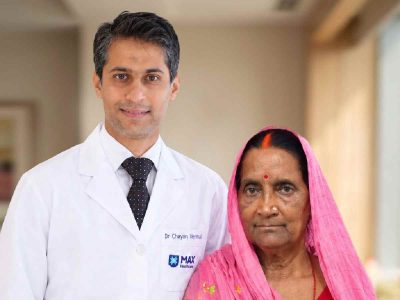
“Girls as young as 14 and 15 are coming in with signs of PCOS, including acne, irregular periods, and hair loss,” says Dr Nidhi Rohtagi, Principal Consultant in Dermatology at Max Multi Speciality Centre, Panchsheel Park. “PCOS causes hormonal disturbances that thin scalp hair while increasing facial hair. It is both physically and emotionally distressing.”
Hypothyroidism and insulin resistance, often linked to sedentary lifestyles, are also quiet contributors. Even gym-goers are not spared, as many consume protein supplements like whey without medical advice.
“Excessive protein supplementation can lead to imbalances and sometimes trigger hair fall,” Dr Rohtagi warns.
Stress, sleep and the social media trap
Beyond physical health, psychological factors play a massive role in early hair loss.
“In today’s selfie culture, everyone wants to look perfect. A slightly receding hairline or thinning crown becomes a source of panic,” says Dr Batra. “Youngsters start comparing themselves to influencers, and before you know it, they’re buying every DIY treatment or herbal oil trending online.”
Social media acts as both a mirror and a microscope. Endless reels and filters create unrealistic expectations, often driving teenagers toward chemical-heavy treatments like keratin, smoothening, and hair botox.
“These heat-intensive procedures damage the hair shaft and weaken follicles, accelerating hair fall,” Dr Rohtagi cautions. She also questions patients about stress and sleep habits, noting that prolonged stress can push hair into the telogen or ‘resting’ phase, leading to shedding—known as telogen effluvium.
The danger of DIY and over-the-counter fixes
The booming market for over-the-counter oils, masks, and supplements—often promoted by influencers without medical credentials—has created a “do-it-yourself” danger zone.
“There’s a misconception that natural means safe,” says Dr Batra. “People try onion juice, garlic oil, ayurvedic formulations, or even cow dung because someone online claimed it worked. These can cause severe irritation, allergies, and worsening hair fall.”
He strongly advises seeking medical advice if hair loss persists beyond a few weeks. “Hair loss is a symptom. You must investigate the root cause—pun intended,” he adds.
Also Read: Delhi: Spike in illegal arms cases raises alarm in north-east district
Modern treatments and realistic expectations
Among medical interventions, Platelet Rich Plasma (PRP) therapy is gaining popularity. The procedure involves extracting a patient’s blood, separating the platelet-rich plasma, and injecting it into the scalp to stimulate growth.
“I compare PRP to fertiliser,” says Dr Batra. “It can revive weak follicles and help dormant hairs grow stronger. But PRP is not a cure-all. It must be paired with oral and topical medications for the best results.”
He warns against one-size-fits-all approaches or single-session miracle promises. “We customise therapy based on the diagnosis—whether it’s hormonal, nutritional, or genetic.”
Hair loss as a health red flag
Doctors increasingly view early hair loss as a signal of deeper health issues. It is associated with conditions like Metabolic Dysfunction-Associated Steatotic Liver Disease (MASLD), formerly known as NAFLD.
“Delhi alone has a MASLD prevalence of 22.8%, and it’s even higher in high-risk groups,” says Dr Ajay Agarwal, Senior Director of Internal Medicine at Fortis Noida. “Poor diet, insulin resistance, and central obesity are not just causing fatty liver; they are harming every part of the body—including hair.”
He adds that “lean MASLD,” seen in individuals with normal weight but high visceral fat, is also on the rise. Hair loss, he cautions, might be the first visible sign of internal dysfunction.
What doctors recommend
Both Dr Batra and Dr Rohtagi advise a structured approach:
Get tested: Basic blood tests including thyroid profile, haemoglobin, ferritin, Vitamin B12, Vitamin D3, and hormonal levels (for PCOS in females) are essential.
Check your routine: Monitor sleep, stress, diet, and workout habits. Overtraining and under-eating are common triggers.
Avoid OTC remedies: Skip chemical-heavy or “natural” hacks without supervision.
Seek counselling: Hair loss can be emotionally distressing, particularly for teenagers.
Stay consistent: “It can take three to six months to see improvement, even with the right plan,” says Dr Batra.
Towards a healthier hair culture
In an age where appearance is linked to confidence and social acceptance, hair loss among the youth is as much an emotional concern as it is a medical one.
“We need to normalise talking about hair fall,” says Dr Rohtagi. “It’s not just vanity—it’s a signal from your body that something needs attention.”