
Covering his head and neck with a guluband against the winter chill, Satish sits in his Toyota Innova Crysta outside the parking area of a sprawling farmhouse in Chhattarpur, on the outskirts of South Delhi. Even at 11 PM, he can hear Punjabi music thumping and see rows of luxury cars swelling at the venue.
He left his home in East Delhi’s Chander Nagar around 9 a.m. Fourteen hours later, he is still waiting — hungry, tired, but distinctly unwelcome inside the wedding venue.
“During the wedding season, we don’t get time to go home. It’s the busiest and toughest time for us,” says the 42-year-old native of Ranchi. Satish is not alone. Thousands of drivers in Delhi-NCR work 16–18 hours a day during the peak wedding season. They battle congested roads for hours to reach far-flung farmhouses on GT Karnal Road, in Chhattarpur, or other parts of the NCR — journeys that can easily take two hours one way.
“Of late, I’ve been not just to GT Karnal Road and Chhattarpur. Last Sunday, I drove nearly two hours from East Delhi to a banquet hall in Vasant Kunj. Thousands of weddings were happening that day; the roads were choked. I arrived with my guests at 10:20 PM and left after midnight. I dropped them in Preet Vihar at 1:30 AM and had to report for my next duty at 7:30 AM,” says Makhan Singh, who has been driving for over 15 years.
For most drivers waiting outside glittering venues, no one offers even a glass of water — forget snacks or a proper meal.
It was the third wedding of the week for Rajesh. The groom’s family in IP Extension had booked his Crysta for five straight days: airport runs, baraat, reception, vidai, and thank-you visits.
Promise to family
Rajesh left home at 4 AM each day, kissed his sleeping daughter on the forehead, and promised his wife the overtime money would finally fix their leaking roof. He received little else over the agreed-upon sum, except for Rs 100 and a box of mithai the groom’s father handed him at the reception.
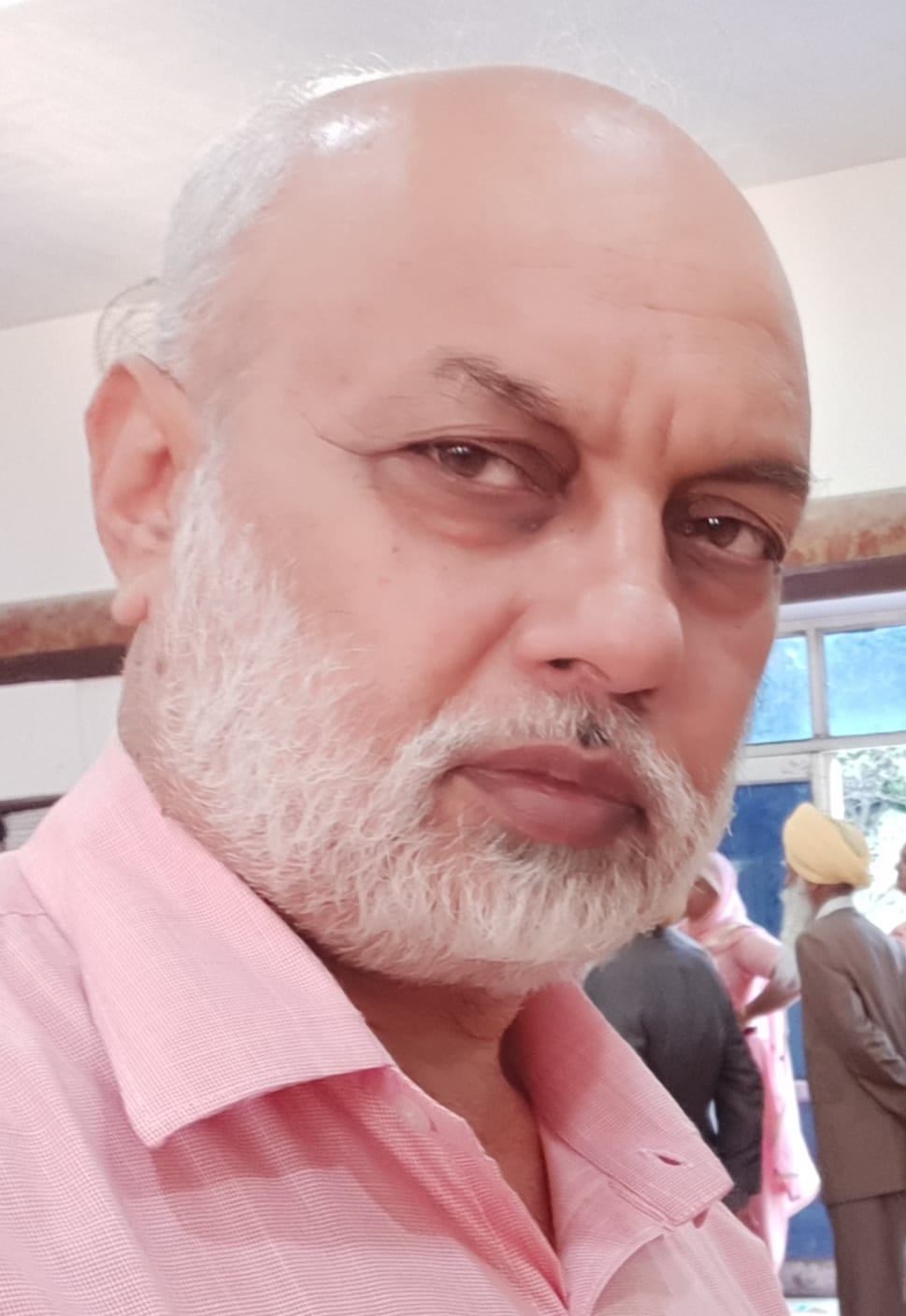
Kamaljeet Singh’s story is a little different. After working for decades as a photojournalist, he now runs a small transport company — and still drives himself. He recalls a recent trip for a wealthy businessman whose daughter had just married. The functions were over. As Kamaljeet drove the proud father home, the man spoke, his voice thick with drink and triumph: “Kamal bhai, do you know how much this wedding cost? Eighty lakh rupees. People are saying it was the grandest in Delhi this season.”
Kamaljeet kept his eyes on the road. “You should have seen the fireworks — twenty minutes non-stop. The food: Belgian chocolate fountain, live counters from seven countries.” His client let out a burp of a laugh. “You people wait outside; you miss everything.”
“You people.” The words landed like small stones in Kamaljeet’s stomach.
Deprived of sleep
During the wedding season or otherwise, picking up guests from the IGI Airport is another ordeal. Hundreds of taxis arrive and leave every hour. Irfaan visits the airport at least three dozen times a month. After 15-hour days, he finally reaches his home in Jamrudpur, South Delhi. “I never get enough sleep. I have to feed my wife and children, so I drive day and night,” he says. Exhaustion is visible in his eyes.
Also Read: Why Delhi’s Punjabi Partition families still seek matches from Lahore and Rawalpindi
Amrit Maan drove a second-hand Ambassador taxi from 1986 to 1991, then gradually built a small fleet and his own transport company. Yet deep in his heart, he says, he is still a driver. “In this profession, there is only hard labour. No one cares about a driver’s joys or sorrows. Whether he has eaten, where he slept — nobody bothers.”
Visit the parking lot of Shastri Bhawan once. Hundreds of official cars stand in rows. On the bonnet of one, four or five drivers play cards while others watch. Monkeys roam nearby. Suddenly, a phone rings — “Boss aa gaye” — and one driver hands his cards to a colleague and sprints off. A driver never knows when or where he will be summoned next. There are no fixed hours and there is no right to ask questions.
A little ahead of Sujan Singh Park lies a taxi stand. Drivers sit on charpoys under a small tent with a stove for tea. Their entire life revolves around this spot.
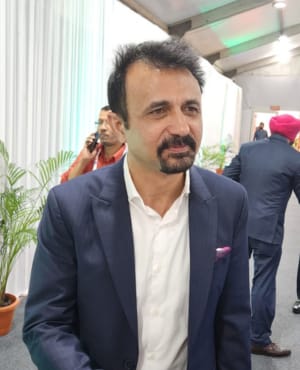
Gurupal, who has driven taxis for over thirty years (including the old black-and-yellow ones), hails from Amritsar. When he takes passengers outside Delhi, he sleeps in the car at night — he can’t afford a hotel or a dharamshala.
Sitting in his Panchkuian Road office, Amrit Maan says only those who have no other option become drivers. No one chooses this life willingly, and no driver wants his children to follow in his footsteps. “I was lucky — my mother was a nurse at the Lok Nayak Hospital, and my father was a government servant. They supported me till I became an entrepreneur. The average driver keeps struggling all his life.”
Working 14–18 hours a day wrecks their health. Lack of sleep leads to accidents. The work entails driving at night, which is inherently dangerous. Yet the drivers have no choice. They must obey orders and expect little in return. Behind every celebration they ferry someone to, theirs is a quiet, unseen labour — one that rarely earns gratitude, and almost never the dignity it deserves.