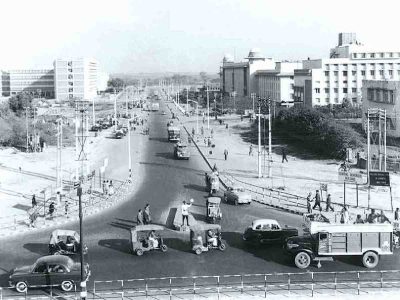
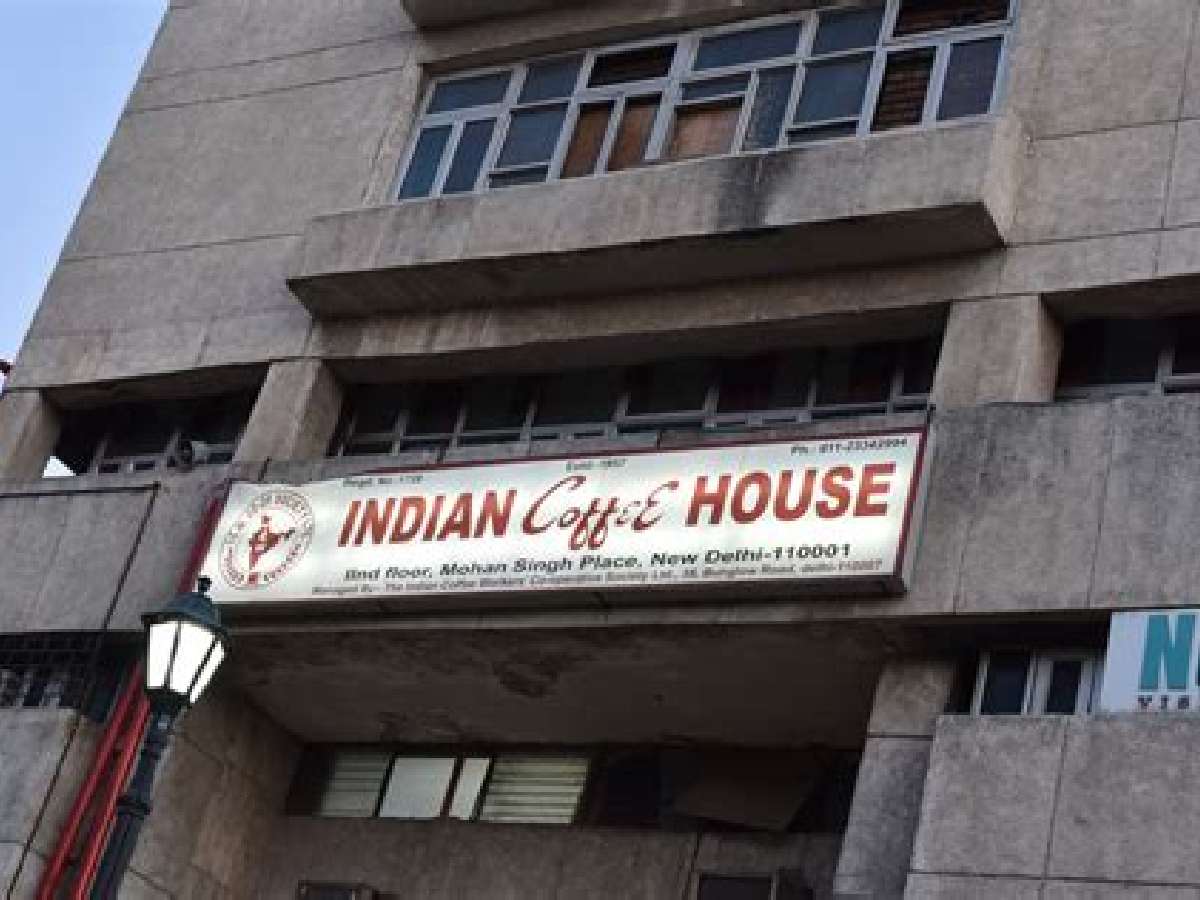
You cannot speak of Connaught Place without speaking in detail of the Indian Coffee House. Where Palika Bazaar now stands, there once existed the Theatre Communication Building, and right beside it was the legendary Coffee House. It was demolished during the Emergency in 1976. Even after nearly half a century, Delhi still misses the energy of the Coffee House.
The chain of India Coffee Houses began in 1936. In Delhi, its journey started near Janpath in 1950. Around that time, the Coffee Board raised coffee prices to eight paise. In protest, regular visitors of the Coffee House launched what they called the PRRM — Price Rise Resistance Movement. The coordinator of this movement in Delhi was journalist Inder Verma.
In response to the agitation, the Coffee Board decided to shut down the outlet in 1950. The workers, however, refused to accept defeat. They went on strike. Dr Ram Manohar Lohia, the socialist leader, arrived on the scene. He collected money from his comrades, handed it to the striking workers, and told them: “Arrange a kettle, cups, plates, and a stove — and start your work again.”
Tent beginnings Inspired by Lohia, the workers set up their own enterprise. They formed the Indian Coffee Workers’ Cooperative Society. Initially, they were given a small space inside the Theatre Communication Building. When that proved insufficient, on December 27, 1957, the famous Tent Coffee House was born on the adjacent vacant plot.
The owner of Khalsa Tent House in Connaught Place — a Namdhari Sikh — rented them a large tent. There was no proper roof, just a cloth canopy overhead. Instead of flooring, rough stone chips (rodi) were spread on the ground. Coffee was priced at four annas, and a vada at two annas. These were the humble beginnings of coffee culture in Connaught Place.
Everyday life
“The tables were simple wooden benches. Around each table lay four to six chairs. Just inside the entrance, to the left, two cobblers sat on the floor repairing and polishing shoes. Visitors would sip their coffee while getting their shoes mended and shined at the same time. Nearby stood stalls selling daily newspapers, magazines, pamphlets, stationery, and paan — later, two paan stalls came up,” recalls Dr Harish Khanna, a former MLA of the Delhi Assembly.
Outside, a low wall about three feet high was built with exposed bricks. From morning till late at night, the place remained packed. The air was electric with conversation, laughter and argument — a truly fascinating spectacle.
Dr Raj Kumar Jain, former professor at Ramjas College, recalls: “I was imprisoned in Tihar Jail during the Emergency. Inside the jail, when the news of its destruction reached us, it felt to all of us as though our own home had been razed to the ground.”
Political arena
The Coffee House was a melting pot. Intellectuals, writers, journalists, artists, theatre people, musicians, political activists, and ordinary office clerks gathered there in huge numbers. It was Delhi’s most fantastic arena for ideological and political confrontation.
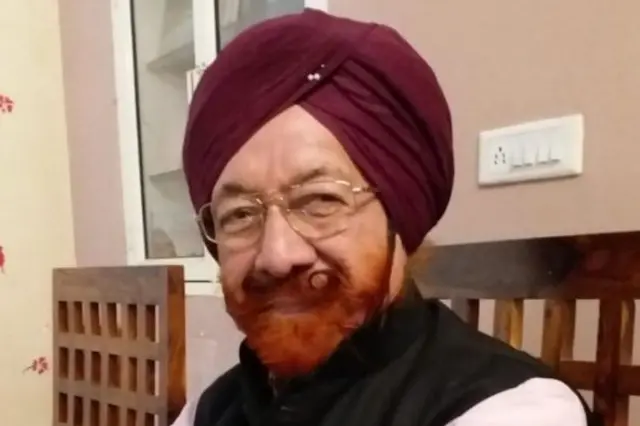
“Many tables were unofficially ‘reserved’ forever. Communists sat in one group, socialists in another, and some old progressive Congressmen in yet another. Heated debates on contemporary issues raged continuously. Almost every socialist leader or activist visiting Delhi from outside considered a visit to the Tent Coffee House mandatory — otherwise, their trip was deemed incomplete,” recalls Trilok Deep, author and editor.
Some even ran their offices from here.
JS Dara
Among the most regular were labour leader JS Dara and Brijmohan Toofan — men who came every single day, undeterred by rain, storm, cold or heat. Sardar JS Dara would often be seen in the evening around Regal, adjusting his turban or trousers, walking purposefully towards the Coffee House. His evenings belonged there.
Workers and trade unionists always surrounded his table. As president of the New Delhi Municipal Committee Workers’ Union (INTUC), he practically ran his office from the Coffee House. During the day, he would be at factory gates leading dharnas or meeting labourers; by nine at night, he would still be there, chatting animatedly. Then he would catch a bus from Khan Market or hop onto a friend’s scooter to leave.
Dara was a phenomenal storyteller. A crowd always gathered around him. He passed away in 2005, yet people still remember him with deep emotion at the Coffee House. He kept the spirit of the place alive.
A saviour
The Coffee House served as a permanent office for many individuals and organisations. Ram Rakkha Mal, founder-president of the Delhi Sanitation Workers’ Union, used to call people to meet him there.
Whenever the Coffee House faced a crisis, JS Dara would swing into action. He would take a group of regulars to meet influential friends — IK Gujral or Jag Pravesh Chandra — and the problem would get resolved. Both were devoted regulars. When IK Gujral became Prime Minister, some Coffee House regulars went to congratulate him. Amid peals of laughter, they made it clear that long absences from the Coffee House would not be tolerated.
Familiar facesAmong the unforgettable regulars were: MF Hussain, who sat for hours with friends like Krishan Khanna, cartoonist Rajendra Puri, and Ravi Jain of DhoomiMal Gallery; Kunwar Lal Sharma, lawyer, Congress leader and Delhi Assembly member, known for drawing crowds with his stories; Master Nuruddin, president of the Delhi Socialist Party, famed for settling coffee bills — with strict instructions that no one interrupt his storytelling.
Also Read: Echoes of Iran in Capital cityscape
“Jag Pravesh Chandra’s name is etched forever in Delhi’s Coffee House history. A multiple-time MLA and Chief Executive Councillor, it was mainly due to his efforts that, after the Tent Coffee House was demolished, the government-built ‘Coffee Home’ came up on Baba Kharak Singh Marg, opposite Hanuman Mandir,” says Vijay Shankar Chaturvedi, journalist and social worker.
After demolition
After the Coffee House was demolished to make way for Palika Bazaar, it was relocated to Mohan Singh Place. Though it never quite regained the old magic, it attracted writers such as Vishnu Prabhakar, Bhisham Sahni, Rajendra Yadav, Sudhish Pachauri and Pankaj Bisht.
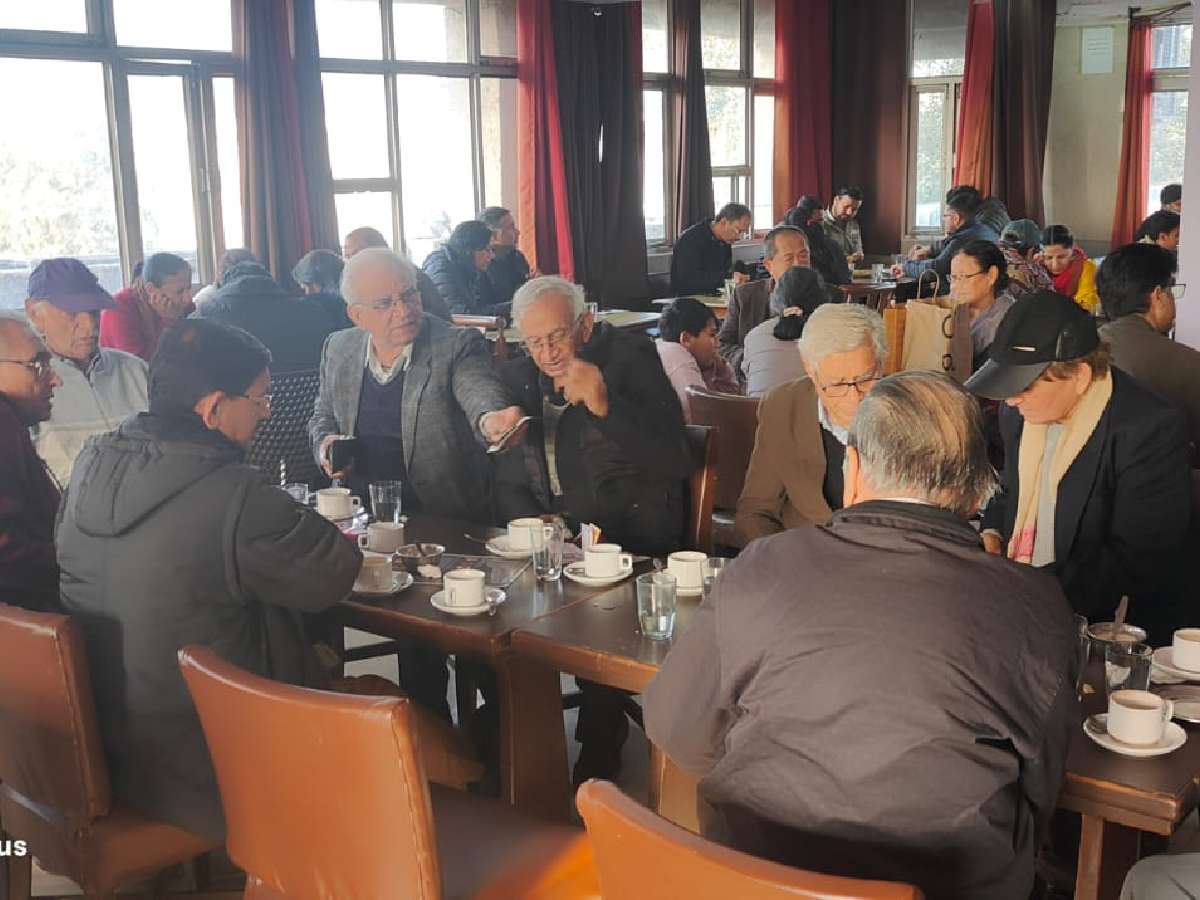
The Mohan Singh Place Coffee House still attracts young and old alike, and its mood remains vibrant. Old students of MC School, Rouse Avenue, visit regularly. Says 76-year-old Noida resident Satya Prakash Rastogi, “When we were in school, we visited the old Coffee House. Now that we are retired, we come here to relax and laugh. Of course, we always recall the Coffee House that died untimely and without reason.”
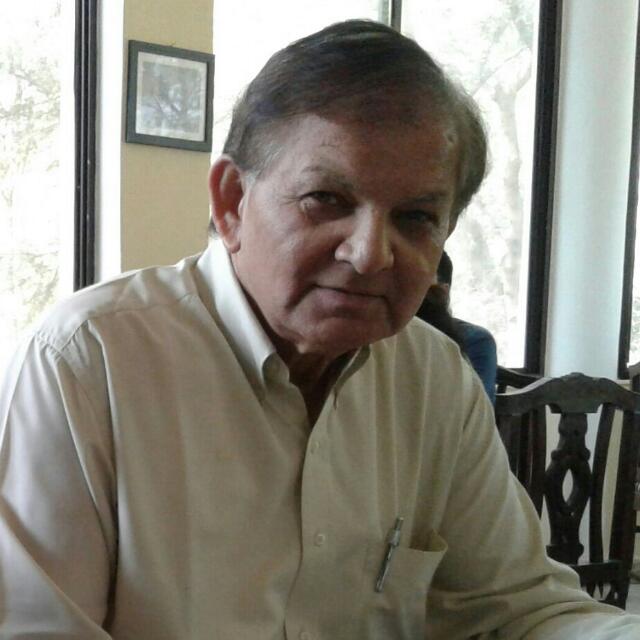
For many years, a gentleman named Kishan Katyal frequented the open terrace. As soon as the crows spotted him, they would flap down noisily — and he would feed them egg bhurji.
Did you know? The Mohan Singh Place Coffee House also served as a stronghold for Delhi’s Sikh leaders’ activities, and atheist society meetings were regularly held there as well.