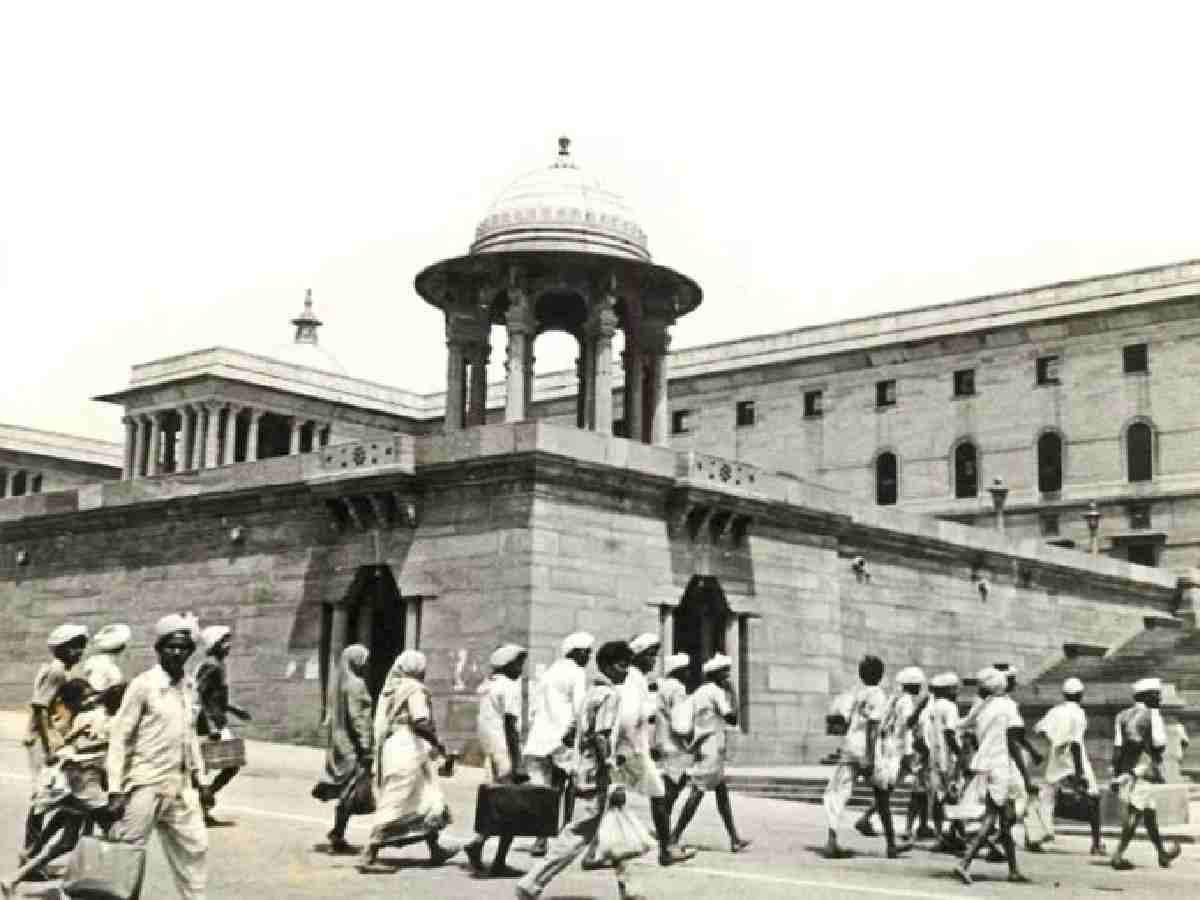
Even as a bust of British architect Edwin Lutyens was removed from Rashtrapati Bhavan and replaced with a statue of Chakravarti Rajagopalachari, many people feel this is the right time to build a memorial for all those faceless workers who built New Delhi. Anurudh Lal is one of them. His grandfather, Bansi Lal, came with many thousands of others from Rajasthan to build various buildings, roads and gardens in the 1920s.
“I believe that those foot soldiers too deserve some recognition, as they gave their blood, sweat, tears and toil to build the new capital of India,” says social activist Lal.
Building new capital
New Delhi was built between 1911 and 1931, when the British decided to move their capital from Kolkata to Delhi. Edwin Lutyens was the chief architect, and Herbert Baker worked closely with him.
But while the designs came from architects, the real work was done by nearly 30,000 Indian labourers. These workers toiled day and night. Among them were hundreds of skilled stone carvers.
“Most workers came from places like Jaipur, Jodhpur and Bhilwara in Rajasthan. They left their villages and came to Delhi with their families. They lived in temporary settlements and worked long hours for very low wages. Men earned just one rupee a day. Women earned only half a rupee,” says Surinder Ratawal, whose forefathers also came from Rajasthan to build New Delhi.
It may be recalled that Ratawal was a Cabinet minister in the Madan Lal Khurana government. He takes pride in this legacy.
“Even with such low pay, they worked with dedication and pride,” he added.
The inheritance
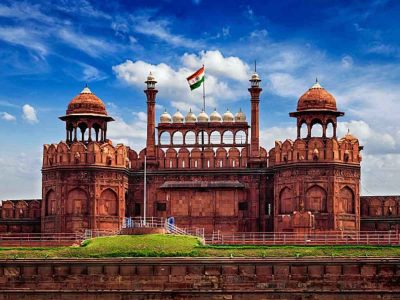
Many stone carvers came from Agra, Mirzapur and Bharatpur. Their families had worked on monuments such as the Taj Mahal, the Red Fort and Jama Masjid.
Their skill can still be seen today. The grand pillars of Rashtrapati Bhavan, the circular structure of Parliament House, and the detailed carvings of North Block and South Block all bear their mark.
New Delhi’s beauty was not created only on paper. It was shaped by hands covered in dust and sweat.
Model of honesty
Indian contractors also played an important role. The main contractor for Parliament House, then called Council House, was Laxman Das from Sindh.
Writer Khushwant Singh once described him as a model of honesty and good intentions. Laxman Das never used poor-quality material. He paid workers on time and did not evade taxes.
Unlike some others, including Sobha Singh, who also built many important buildings in New Delhi, Laxman Das was remembered for his simple and honest life. He mixed freely with workers and understood their problems.
After Parliament House was completed, he attended its inauguration. His mission was complete, but he did not take on any new projects in Delhi. Instead of returning to Sindh, he went to Haridwar, became a saint, and lived a quiet life until his death.
His life stands as a symbol of simplicity and selfless service.
The next generation
Times have changed. Today, fewer workers come from Rajasthan to Delhi. Many families who arrived during that period have now become part of the city. Their children and grandchildren have succeeded in different fields, and some have even reached high political positions.
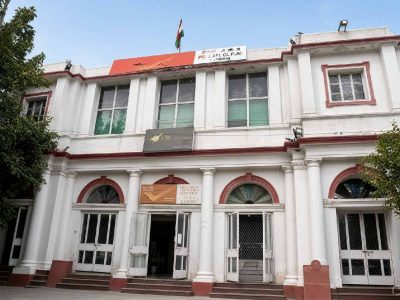
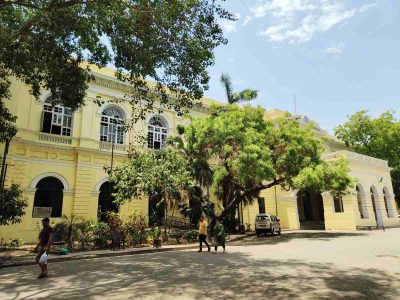
“My father, Shyam Sunder Lal, grew up listening to stories from his father, Bansi Lal, about the making of New Delhi. My grandfather and many others like him were given small houses at Dev Nagar in Karol Bagh. Both my father and I were born there. Later, my father joined politics and was elected to the Lok Sabha on a Janata Party ticket in 1977. Interestingly, he ensured that he got the house at 15 Balwant Rai Mehta Lane, as my grandfather had worked there as a labourer,” says Lal.
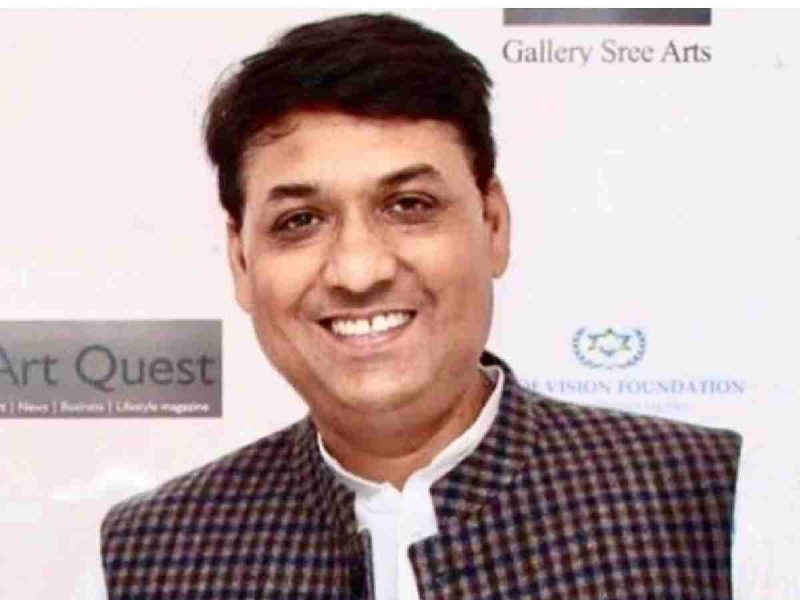
Meanwhile, thousands of workers are currently building projects such as the Central Vista. Many come from Odisha, Jharkhand and Chhattisgarh. In 1982, during the Asian Games, large numbers of workers came from Bihar to help prepare the city.
Workers continue to build the capital. They move from one project to another, remaining mostly unseen.
Memorial for workers
So the question remains: should a memorial not be built for these unknown workers and honest contractors such as Laxman Das?
Somewhere near Rashtrapati Bhavan, Parliament, or another public place, there should be a statue or monument dedicated to the lakhs of hands that built New Delhi.
Removing Lutyens’ bust may be a step away from colonial symbols. But true freedom, many argue, will come when the Indians who actually built this city are honoured.
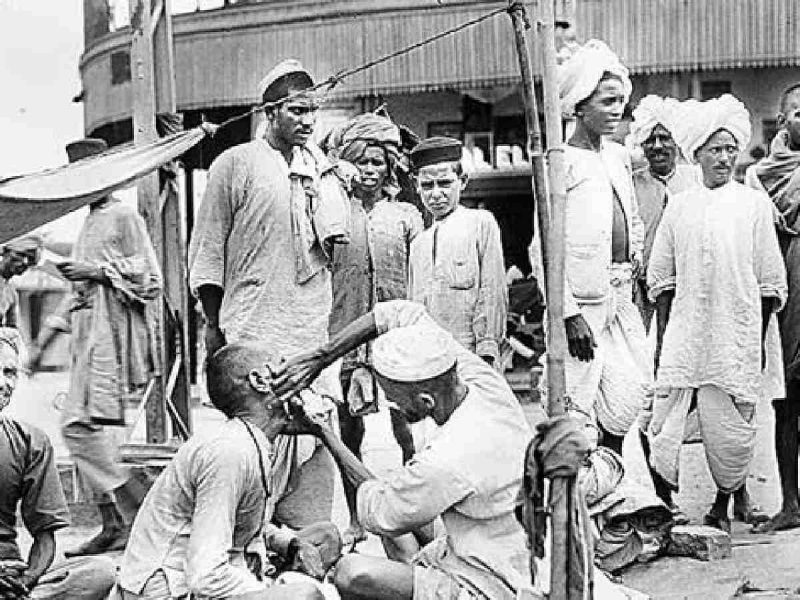
“Such a memorial would not just be made of stone. It would stand as a symbol of hard work, sacrifice and skill. It would remind future generations that the beauty of the capital came not only from grand designs, but from the sweat and dedication of ordinary people,” says author Ravinder Kumar, whose relatives also worked as labourers here.

Government, society and historians should come together to make this happen. Because true independence is complete only when we remember our real heroes.