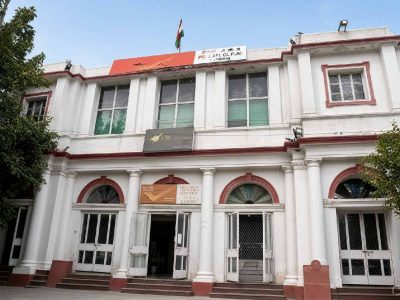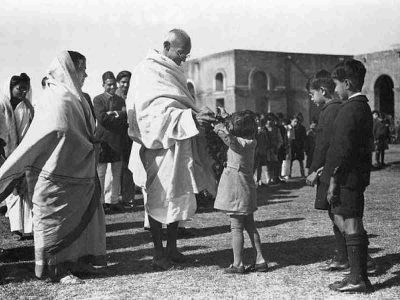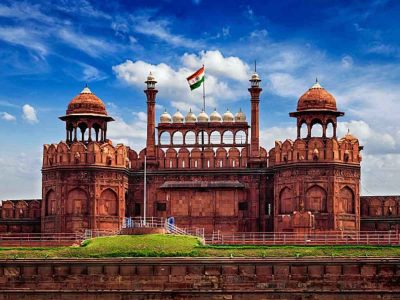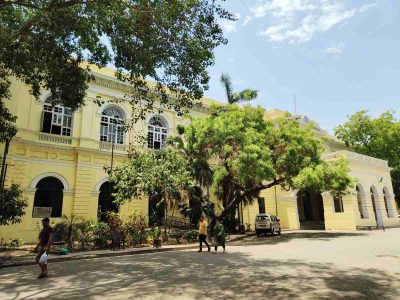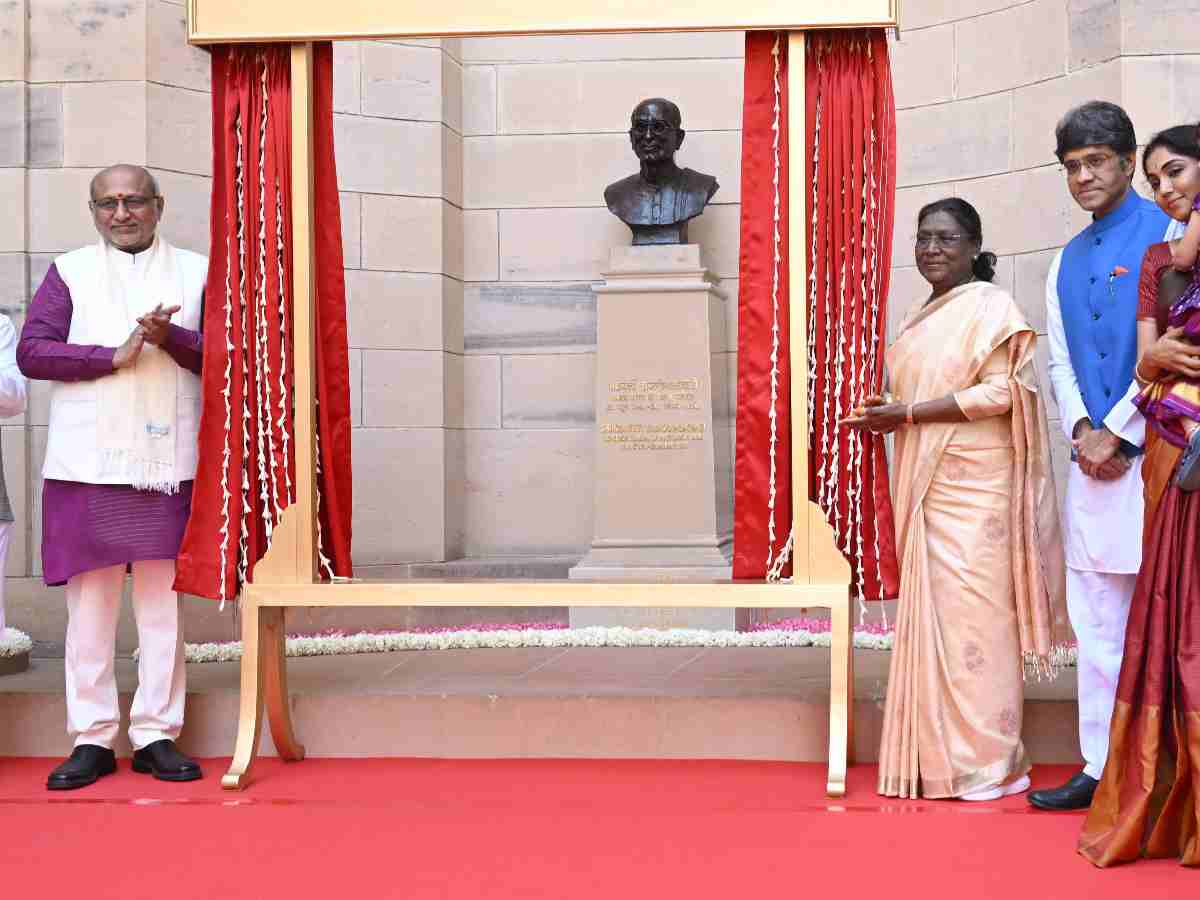
After the removal of Edwin Lutyens’s bust from Rashtrapati Bhavan, where he was the chief architect of New Delhi, only one major colonial-era figure’s statue remains standing in the Capital. It is the statue of Lady Hardinge, located inside the main gate of Lady Hardinge Medical College.
If you enter the college from Shaheed Bhagat Singh Marg near Connaught Place, you will see a life-sized statue of a woman, gazing at passersby. This is Lady Hardinge.
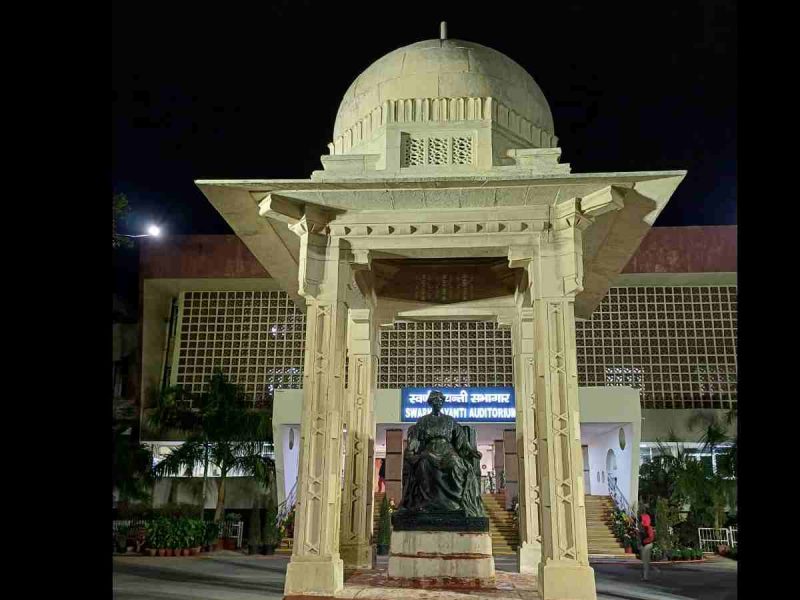
Lady Hardinge played a pivotal role in establishing dedicated medical education for women in India. Inspired by her efforts, the college was founded on 7 February 1916. She had laid the foundation stone on 17 March 1914, but passed away later that year. On Queen Mary’s advice, the institution was named Lady Hardinge Medical College. It remains India’s oldest medical college for women.
Delhi also owes a historical debt to Lady Hardinge’s husband, Lord Hardinge. On his recommendation, the British shifted India’s capital from Calcutta to Delhi. In a letter from Shimla to the British government on 25 August 1911, he wrote that governing from Delhi would be preferable to governing from Calcutta.
The exact date of the installation of Lady Hardinge’s statue is not definitively known, though it is believed to date back to around the time the college was established. This author has seen the statue for nearly five decades. Students, teachers and staff affectionately call it ‘Mataji’.
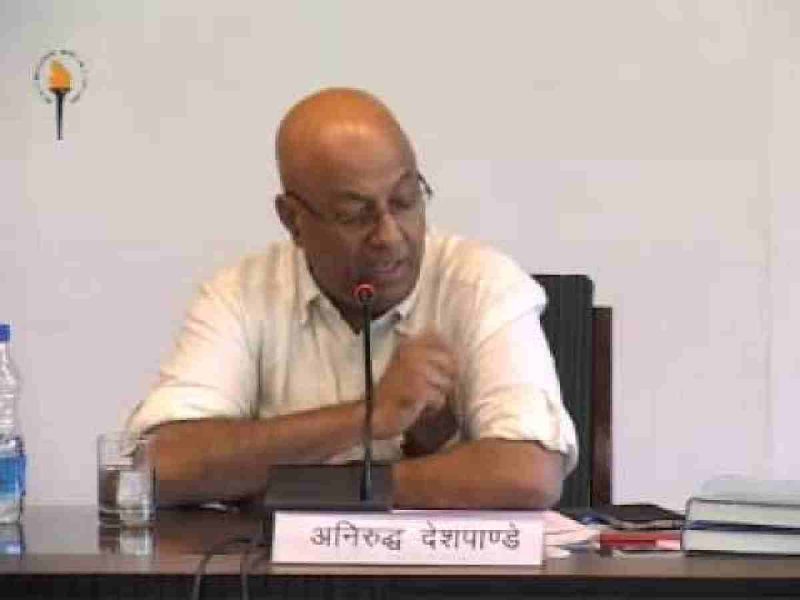
Anirudh Deshpande, Head of the History Department at Delhi University, notes that Lady Hardinge raised funds from kings and maharajas to establish the college. As Delhi continues removing colonial symbols, her statue remains an exception because of her contribution to women’s education and healthcare. It stands not merely as a relic of history but as a continuing source of inspiration.
Lutyens’s arrival
Edwin Lutyens arrived in Delhi after the 1912 decision to shift the capital and remained until 1930. Under his supervision, landmark structures such as Rashtrapati Bhavan, Parliament House, North Block and South Block, along with avenues and gardens, were developed.
Interestingly, Lutyens’s statue was installed decades after he had left Delhi. It stood in Rashtrapati Bhavan for nearly 79 years. The inscription on its pedestal read: “Edwin Lutyens, Architect of this House.” Installed in April 1947, it had been ordered shortly after Lord Mountbatten assumed office as Viceroy, on 12 February 1947.
Anadi Barua, who later coached the Indian women’s football team and lived in the Rashtrapati Bhavan staff quarters, recalls seeing the statue as a child and finding it surprisingly small for a man of such stature.
From Lutyens to Rajaji
On 23 February, during ‘Rajaji Utsav’, a statue of C Rajagopalachari was unveiled in the Central Courtyard of Rashtrapati Bhavan. An exhibition on his life is scheduled from 24 February to 1 March. The move is being viewed as part of a broader effort at decolonisation.
In a historical coincidence, around 1917, Lutyens moved into a bungalow at 10 King George Avenue (now Rajaji Marg). The same residence later housed independent India’s first Governor-General, C Rajagopalachari, after whom the road was renamed. Former Presidents APJ Abdul Kalam and Pranab Mukherjee also lived there.
Fate of the statue
The Edwin Lutyens statue is expected to be relocated to Coronation Park near Burari Road in north Delhi. Spread across 52 acres, the park once hosted the Delhi Durbars of the British Raj. Today, it houses statues of former kings and viceroys relocated from prominent sites.
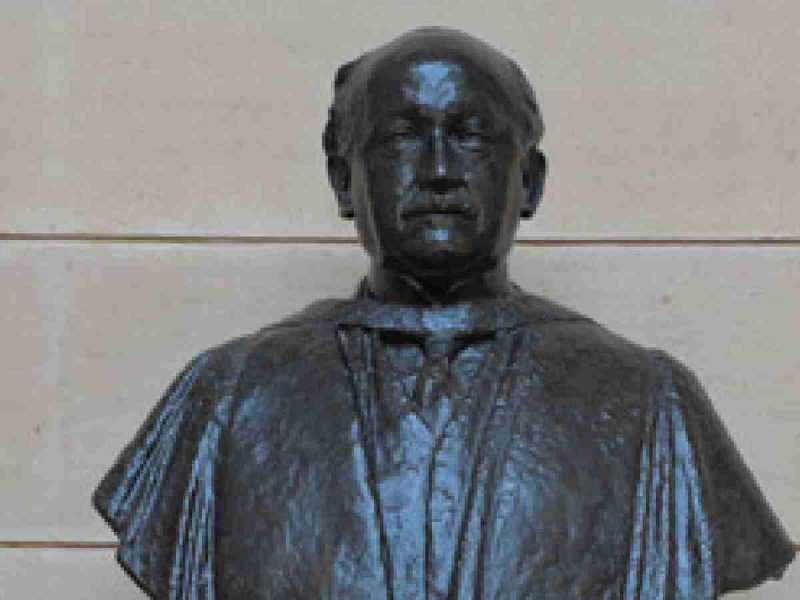
Among them is the 15-metre marble statue of King George V, which once stood at the site now occupied by Netaji Subhas Chandra Bose’s statue. Arranged around it in a semicircle are statues of Lord Hardinge (Viceroy, 1910–1916), during whose tenure Delhi became the capital; Lord Chelmsford (1916–1921); Lord Willingdon (1931–1936); and Lord Irwin (Lord Halifax, 1926–1931), associated with the Gandhi–Irwin Pact. The park also features statues of Sir Guy Fleetwood Wilson and Sir John Lewis Jenkins.
Despite its historical significance, the site remains neglected. Each visit over the years has revealed a similar state of disrepair.