On May 16, Union Home Minister Amit Shah said in a post on X that Indian agencies had carried out the country’s first seizure of Captagon tablets worth Rs 182 crore under “Operation RAGEPILL”. According to the post, the consignment was allegedly destined for West Asia, and one foreign national had been arrested in connection with the case.
Captagon is the brand name for fenethylline, a synthetic stimulant originally developed in the 1960s to treat conditions such as ADHD, depression, and narcolepsy. The drug was internationally banned in the 1980s because of concerns surrounding addiction and abuse and was later placed under Schedule II of the UN Convention on Psychotropic Substances.
More recently, Captagon gained notoriety during the Syrian civil war, where extremist groups, including ISIS, were alleged to have used it to increase alertness, energy, and endurance while suppressing fear and fatigue.
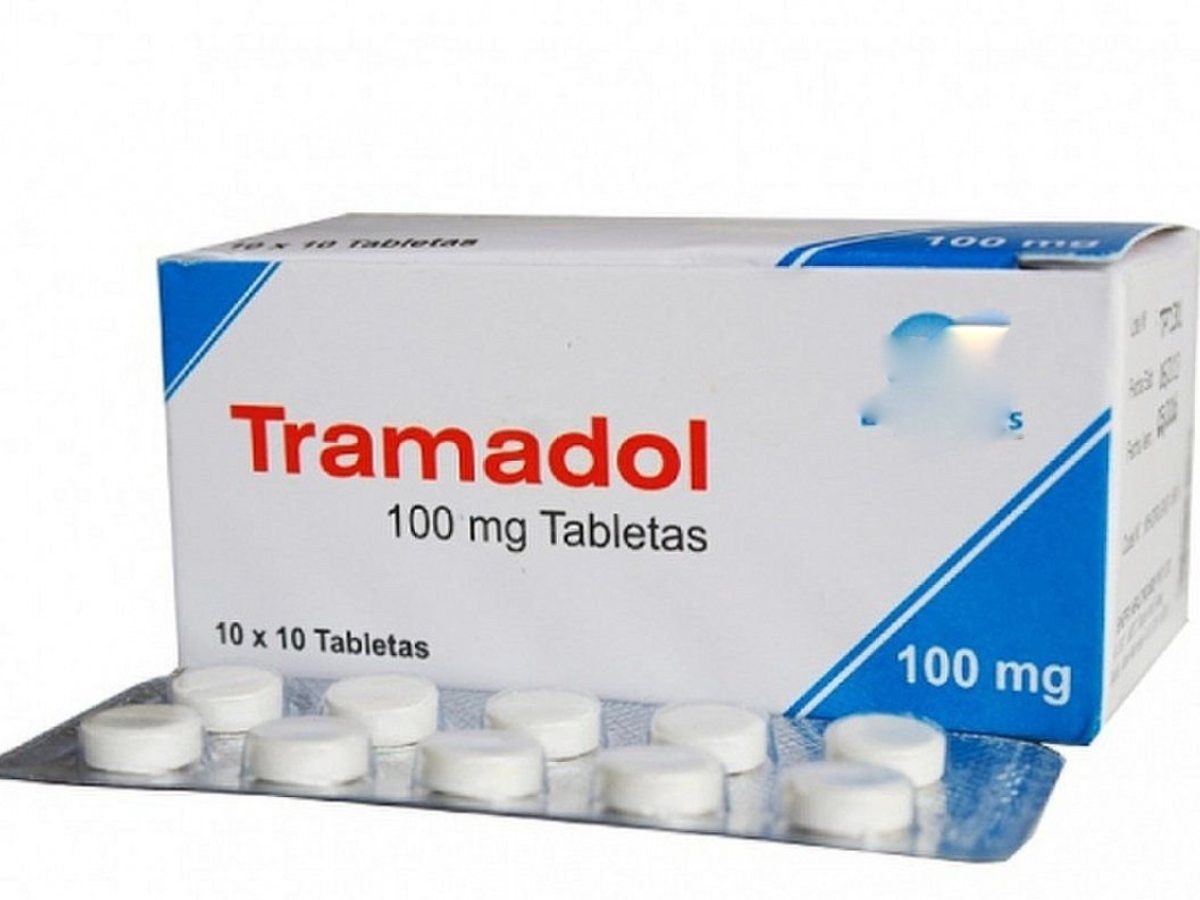
Separately, India had blacklisted tramadol, a prescription opioid painkiller, in 2018 after reports that extremist organisations were allegedly misusing the drug. International anti-narcotics agencies have sometimes referred to tramadol as a “fighter drug” because of claims that it was used to suppress pain and enhance endurance during combat situations.
Rising opioid concerns
While such drugs have historically remained largely outside Delhi-NCR’s mainstream drug markets, experts and officials say concerns over opioid misuse continue to grow.
According to the 2019 National Drug Use Survey conducted by the All India Institute of Medical Sciences (AIIMS), opioid use in India has been rising gradually over the years.
The report stated: “Of the total estimated approximately 77 lakh problem opioid users (that is, those using in a harmful or dependent pattern) in the country, more than half are contributed by just a few states. Uttar Pradesh, Punjab, Haryana, Delhi, Maharashtra, Rajasthan, Andhra Pradesh, and Gujarat are the states which house the highest number of people with opioid use problems.”
Delhi was also identified among the states and Union Territories where opioid use was considered a growing concern, alongside Punjab, Haryana, Mizoram, Nagaland, Arunachal Pradesh, Sikkim, and Manipur.
According to data compiled under the Narcotic Drugs and Psychotropic Substances (NDPS) Act, seizures involving opioid-based drugs have also risen in recent years.
In 2024, the Central Board of Indirect Taxes and Customs (CBIC) reportedly seized 9.7 lakh tramadol tablets. The Directorate of Revenue Intelligence (DRI), meanwhile, recovered 28,727 tablets involving tramadol and alprazolam combined.
Easy availability
One of the major concerns surrounding tramadol is its accessibility despite prescription requirements. During visits to multiple pharmacies across Delhi, Patriot found that prescriptions were often not demanded before selling opioid-based medicines.
Under NDPS guidelines, licensed chemists are permitted to sell narcotic and psychotropic medicines only against a valid prescription. However, enforcement appeared inconsistent across several neighbourhood pharmacies visited during reporting.
In east Delhi’s Mayur Vihar, several local chemists appeared largely unconcerned about tramadol’s status as a prescription medicine because of its relatively low price and common availability. A strip of TRD 50 tablets priced at around Rs 103 was found to be easily accessible at multiple stores visited during reporting. One chemist, speaking on condition of anonymity, said demand for such medicines remained limited but acknowledged that prescriptions were not always checked.
“We normally look at the person and judge what they may require the medicine for. Since these are painkillers, they have a very specific use. Some customers buy an entire strip while others purchase only a few tablets for temporary pain relief. It is not always considered necessary to check a prescription every single time,” he said.
Monitoring gaps
Prescription checks appeared stricter at pharmacies located near hospitals. However, in residential neighbourhoods, many chemist shops appeared to follow looser practices. Some shops were also found selling injectable formulations such as Tramazac injections, priced at around Rs 12 for a 1 ml vial, to regular customers. “Sometimes doctors ask patients to purchase these injections. More often than not, prescriptions are checked. But occasionally they are not,” another chemist said.
“Tramadol is considered relatively safer than several other opioids. However, if consumed in high doses or mixed with intoxicants, it can become habit-forming and addictive,” he added. Separately, a series of viral videos circulating online in recent months showed individuals in different states standing motionless for prolonged periods, leading to widespread speculation on social media regarding possible substance abuse.
Also Read: Encrypted chats, open offers: a look inside online gun trade
No official medical confirmation was issued regarding the individuals seen in those videos. However, many social media users compared the behaviour to the effects associated with xylazine, a veterinary sedative sometimes referred to internationally as the “zombie drug” when illegally mixed with opioids such as fentanyl.
Earlier this year, Delhi Police arrested two people in west Delhi for allegedly running an illegal medicine supply racket involving banned pharmaceutical drugs. According to police, 3,360 tramadol capsules and 84 bottles of codeine phosphate syrup were seized during the operation. Investigators alleged that the accused failed to produce valid prescriptions or purchase records for the stock recovered during the raid.