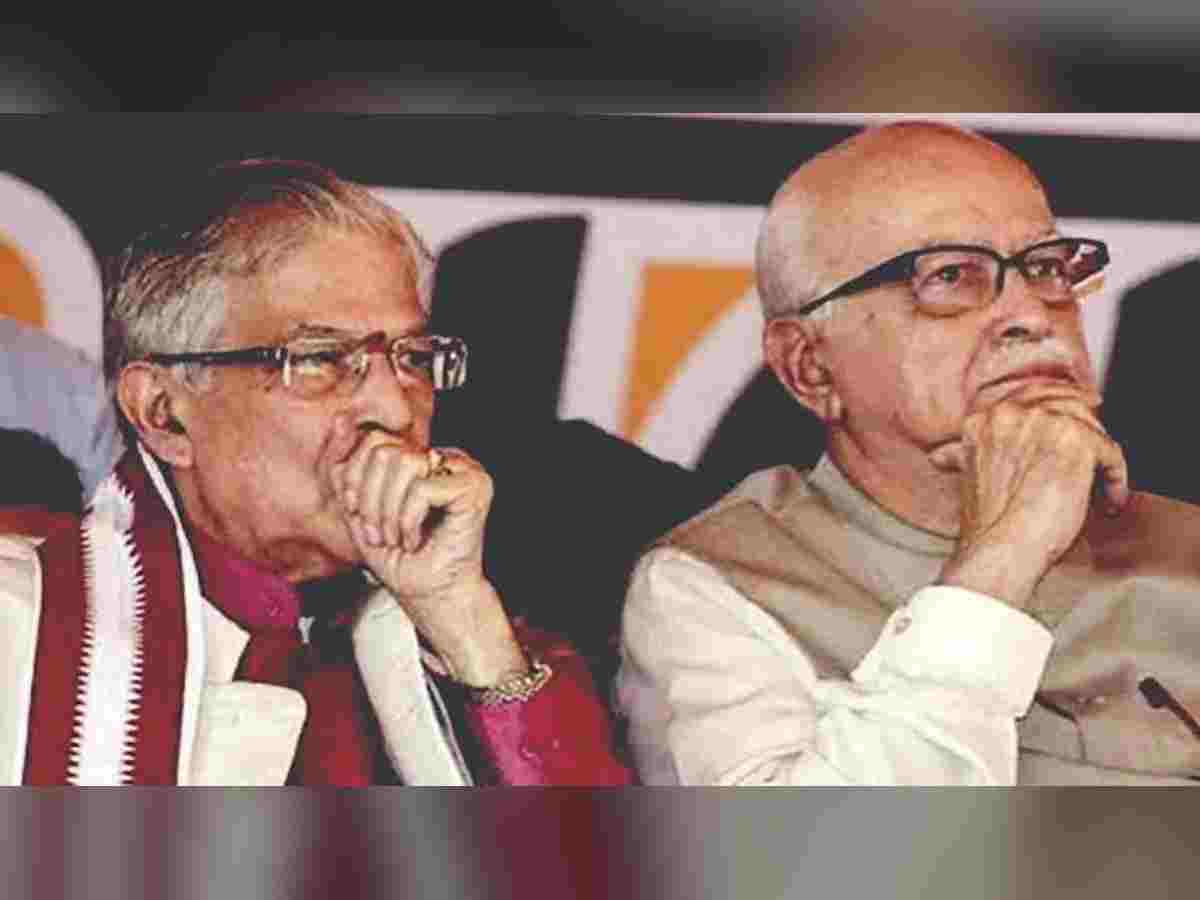
Even as BJP veteran Lal Krishna Advani enters the 100th year of his life, several other Delhi residents are approaching or have already crossed the same milestone. Born in Karachi, Advani came to Delhi in 1947 and subsequently represented the New Delhi constituency in the Lok Sabha. He initially resided on Delhi’s Rajendra Prasad Road, later moving to Pandara Park and, for the past two decades or so, to Prithviraj Road.
A life of enterprise
Kushal Pal Singh, the patriarch of DLF Limited, is another prominent member of Delhi’s nonagenarian club. He is remembered as the man who played a central role in transforming Gurugram from a quiet settlement on Delhi’s outskirts into a major urban and business centre. His journey involved taking risks and persuading landowners to participate in an ambitious vision of urban development.
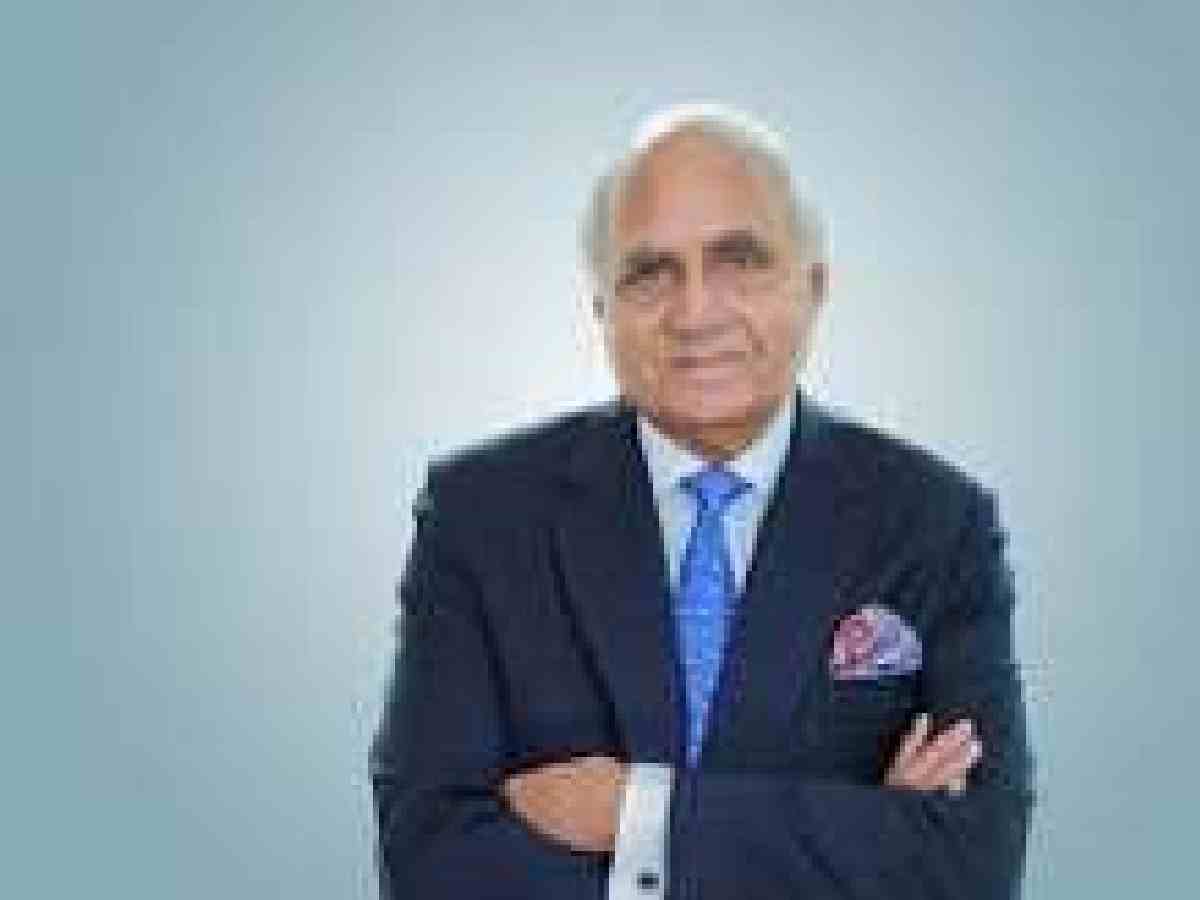
Before joining DLF, Singh served in the Indian Army. He led the company for decades and stepped down as executive chairman in 2020. He is now its chairman emeritus. “The story of Mr Singh shows that enterprise needs patience, courage and the ability to think beyond the present. Even in his nineties, he has spoken about the need for better-planned cities,” says real estate sector expert Dushyant Singh.
Singh’s father-in-law, Raghvendra Singh, was elected to the Delhi Assembly from the Delhi Cantonment constituency in 1952. He founded Delhi Land Finance, which later came to be known as DLF Limited.
Scholarship and politics
Another distinguished nonagenarian is Murli Manohar Joshi, the veteran BJP leader who is now 92. Joshi represents a rare combination of academic and political experience. He served as BJP president from 1991 to 1993 and later held the important portfolio of Human Resource Development in the government led by Atal Bihari Vajpayee. A recipient of the Padma Vibhushan, he was also conferred the Outstanding Parliamentarian Award in 2009 in recognition of his contribution to parliamentary democracy.
A life in the headlines
Another familiar name in Delhi’s literary and journalistic circles is Trilok Deep. An eminent writer and journalist, Deep travelled widely and wrote on politics, society and public life. Born in Rawalpindi in 1935, he came to Delhi after his family had settled in Raipur. He went on to become editor of Dinmaan, the influential news magazine published by the Times Group. He also edited Sunday Mail and reported on elections in India and abroad.
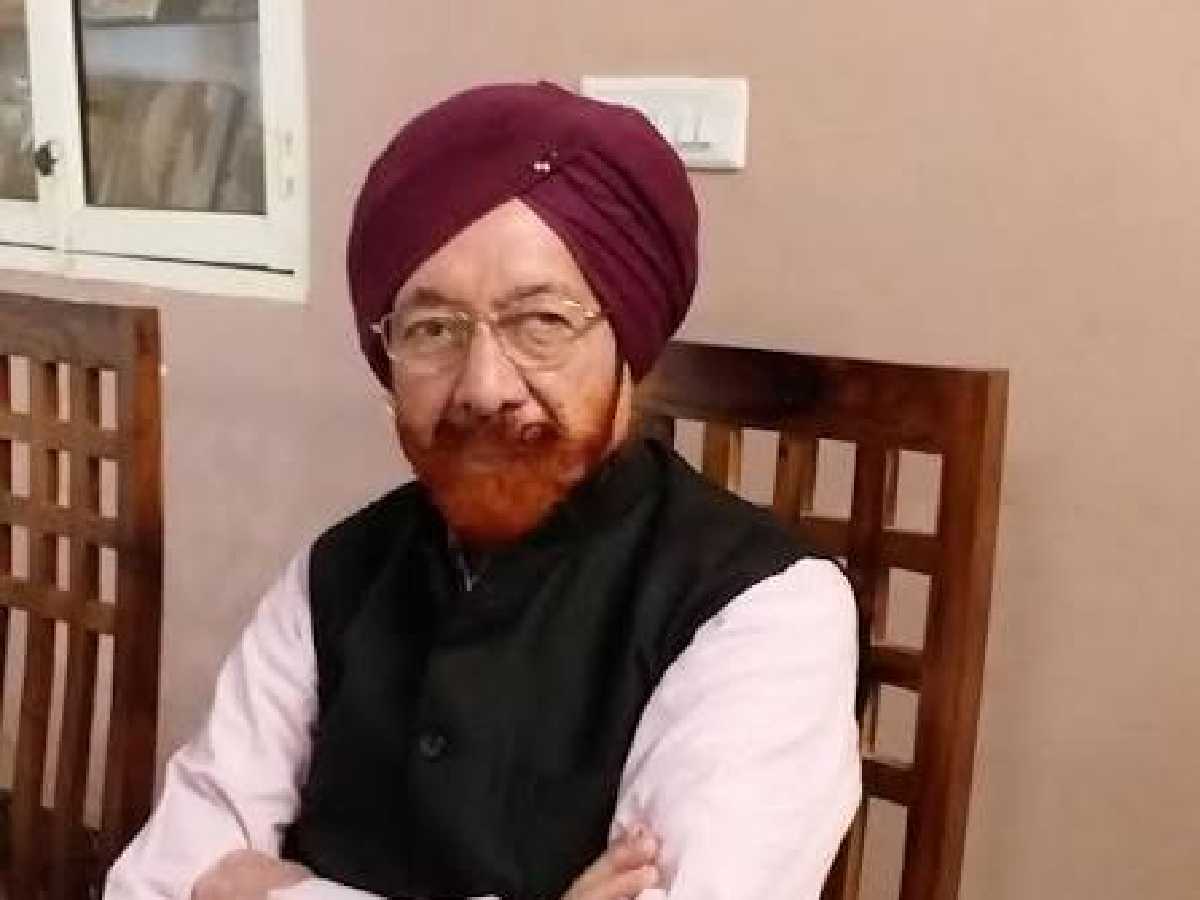
He continues to write books and articles, remains active on Facebook and travels regularly.
“Trilok Deep Sir has an elephant’s memory even now. He has covered Parliament for decades. He has also interviewed Khan Abdul Ghaffar Khan and Renu, the noted Hindi writer,” says Vinod Behl, a Delhi-based journalist.
A lifetime of learning
Professor Riaz Umar belongs to the same respected generation of Delhi’s educationists. He joined Zakir Husain Evening College in 1958, the year evening classes began at the institution to help working people pursue higher education. He became its principal in 1992. His association with the institution spans a period of considerable change in Delhi. The college has long reflected the city’s composite culture, bringing together students from different communities and backgrounds.
Umar is also regarded as a father figure in Delhi’s Punjabi Muslim community. His contribution represents a quieter but equally important form of public service: teaching, guiding students and helping build an enduring educational institution.
In the service of India
Perhaps the oldest among these distinguished Delhi residents is Maharajakrishna Rasgotra, better known as MK Rasgotra. Born on September 11, 1924, he is now in his 103rd year. He served as India’s Foreign Secretary from 1982 to 1985, after joining the Indian Foreign Service in 1949. He represented India in several countries and held important assignments, including that of High Commissioner to the United Kingdom. He later recorded his experiences in his memoir, A Life in Diplomacy. At his 100th birthday celebration in 2024, senior diplomats described him as a role model for generations of officers.
Age is no barrier
These men have followed very different paths. One helped shape a modern city, another served in national politics and government, a third chronicled public life, a fourth devoted his career to education, and the fifth represented India abroad. Yet they share something important: a continued engagement with the world around them, despite their advancing years.
Their lives challenge the idea that retirement must mean stepping away from public life. They demonstrate the enduring value of experience, particularly when accompanied by curiosity and a willingness to engage with changing times. The fact that some remain active in writing and on social media also illustrates how older generations can adapt to changing technologies and modes of communication.
Keepers of the city’s memory
Delhi often celebrates its monuments, institutions and political leaders. It should also celebrate the living people who carry its memories. Their stories offer a rare bridge between generations, connecting the experiences of pre-Independence India with the aspirations and concerns of a younger, rapidly changing country. “These veterans have seen the city grow into a crowded metropolis. They have witnessed political changes, wars, sporting triumphs and social shifts. Their personal memories are part of Delhi’s unwritten history,” says Dushyant Singh.
Advani’s 99th birthday offers an occasion to look beyond one celebrated name.