A century after Irwin, his name is still on a petrol receipt.
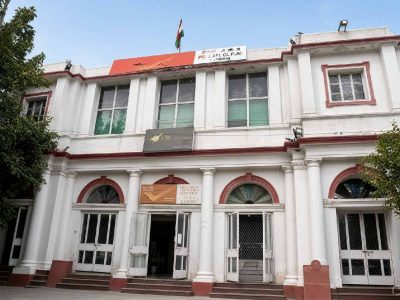
If you are driving from Baba Kharak Singh Marg towards Gol Dak Khana, you will see a petrol pump on the left of the busy road. Buy petrol there and the receipt still says ‘Baba Kharak Singh Marg (Irwin Road).’
This vital road, which leads towards Connaught Place, was known as Irwin Road until a few days ago. But who was Irwin? A century ago, in 1926, a tall Lord Irwin arrived in India as Viceroy for a five-year term, succeeding Lord Reading. Those five years would coincide with some of the most important final stages in the making of the city we now know as New Delhi.
A city takes shape
Irwin arrived at a strange moment in Delhi’s history. Fourteen years earlier, at the great Durbar of 1911, King George V had announced that the capital of British India would move from Calcutta to Delhi. Architects Edwin Lutyens and Herbert Baker were asked to design a new imperial city on Raisina Hill.
Work began slowly, was interrupted by the First World War and then accelerated in the 1920s. When Irwin took charge on April 3, 1926, the grand plan was still unfinished. Roads were being laid, large stone buildings were rising and temporary government offices were operating from the Civil Lines area. The new capital needed a Viceroy to oversee its final stages.
Irwin did just that. One of the first official acts associated with the new city was to give it a name. Until then, people had simply referred to it as the “new imperial capital.” On December 31, 1926, King George V approved the name New Delhi. The announcement came just weeks after Irwin had settled into office, and the name has remained ever since.
A new seat of power
A few weeks later came a more visible ceremony. On January 18, 1927, Irwin opened the circular Council House, now known as the old Parliament House. On the opening day, he arrived in the viceregal carriage at the Great Place, today’s Vijay Chowk, where Baker handed him a golden key. Irwin unlocked the door, and the following day, the Central Legislative Assembly held its first sitting inside.
The building would later acquire a far greater significance. It housed the Constituent Assembly during the making of independent India’s Constitution and, after 1950, became the Parliament of India.
Also Read: Roses, Lenin, Tolstoy, Mandela: Delhi’s BRICS map in bloom
The Viceroy’s own residence, however, took longer to complete. Lutyens designed the vast palace on Raisina Hill that is now Rashtrapati Bhavan, but for several years viceroys lived in a temporary residence. In late 1929, Irwin and Lady Irwin finally moved into the finished Viceroy’s House.
In a speech to the Municipal Committee of New Delhi, Irwin said they stood “on the threshold of the house that is to be the home of future Viceroys of India.” He was its first occupant.
The city is opened
The official inauguration of New Delhi itself came near the end of Irwin’s term. After almost 20 years of planning and construction, ceremonies were held through the second week of February, 1931.
“On February 10, Irwin unveiled four Dominion Columns of red sandstone, gifts from Canada, Australia, South Africa and New Zealand. Each column was topped by a small stone ship. Trumpets sounded. The British anthem was played. On February 12, he dedicated the All-India War Memorial, now called India Gate, to soldiers who died in the First World War and the Third Anglo-Afghan War,” reported the Hindustan Times on February 13, 1931.
On February 13, 1931, the new capital was formally opened. Irwin’s five years in office had covered the final stretch of the project that King George V had set in motion in 1911.
A quieter legacy
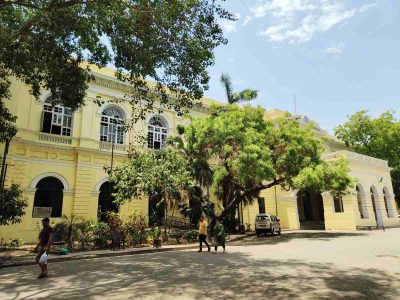
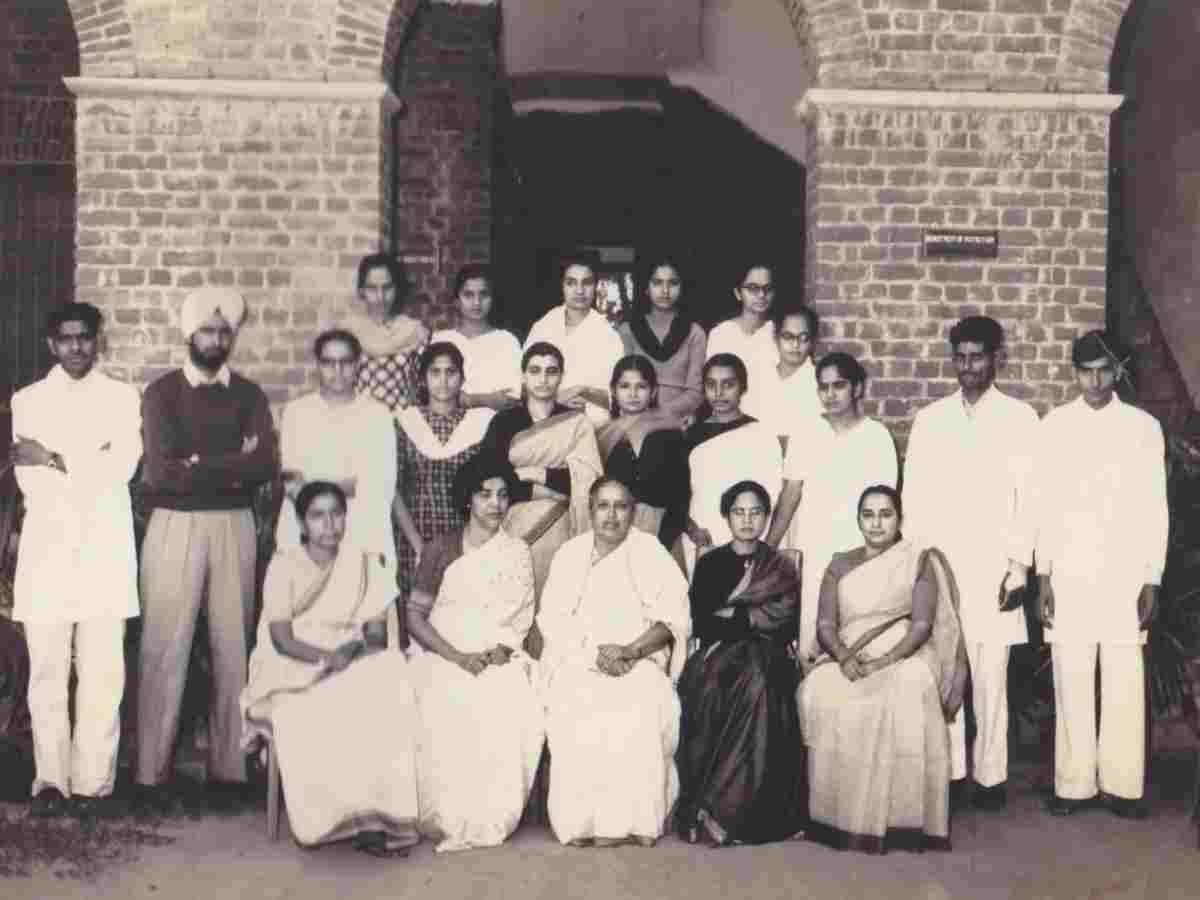
His wife left a quieter but lasting mark on Delhi. Lady Dorothy Irwin supported women’s education, and after the All India Women’s Conference raised funds, a college of home science opened in Delhi in 1932. It was named Lady Irwin College and began with 11 students and three teachers.
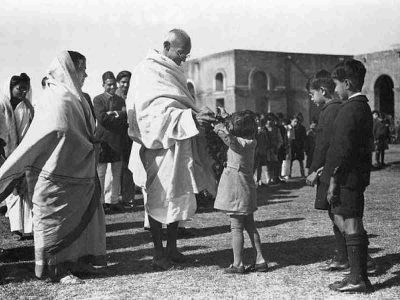
Among those who helped establish it were Sarojini Naidu, Rajkumari Amrit Kaur, Annie Besant and the Maharanis of Baroda and Bhopal. Mahatma Gandhi later approved its motto, “Vidya Hi Seva.” The college still stands on Sikandra Road and is part of the University of Delhi. Not far from it is Lady Irwin School.
The names are a reminder that the Irwin years were not only about stone, roads and ceremonies. His tenure also coincided with the creation of institutions that would survive the end of British rule.
The Viceroy holds firm
Irwin’s tenure, however, cannot be remembered only through the buildings associated with the completion of New Delhi. He left India in April 1931, just weeks after the formal inauguration, having faced one of the most politically charged demands of his time: a nationwide appeal for the lives of Bhagat Singh, Sukhdev Thapar and Shivaram Rajguru.
“As Viceroy, he had the power to recommend mercy. Petitions came from families, political leaders and the public. Gandhi met him many times to impress upon him the need to save them from the death sentence. He did not budge. The executions went ahead as scheduled,” said Raj Sekhar Vyas, who has written several books on Gandhi.
The three revolutionaries were executed on March 23, 1931, shortly before Irwin left India.
A lasting imprint
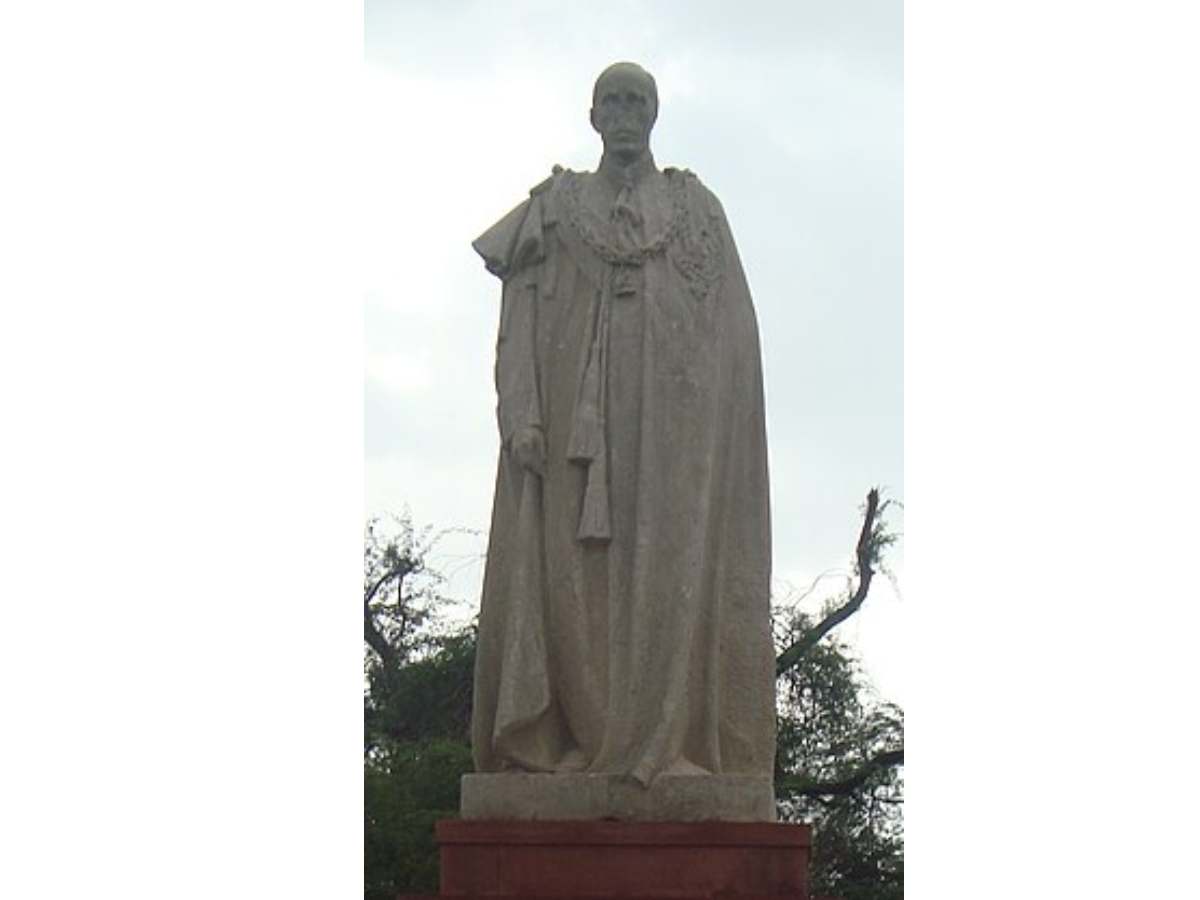
In 1934, his successor, Lord Willingdon, unveiled a statue of Irwin near Parliament House. But the statue did not remain there indefinitely. In the mid-1960s, the government removed many British royal and viceregal statues from central Delhi, and Irwin’s was moved to Coronation Park, on Burari Road near Nirankari Sarovar, close to the old Kingsway Camp area.
The road that carried his name, however, remained in central Delhi for much longer.
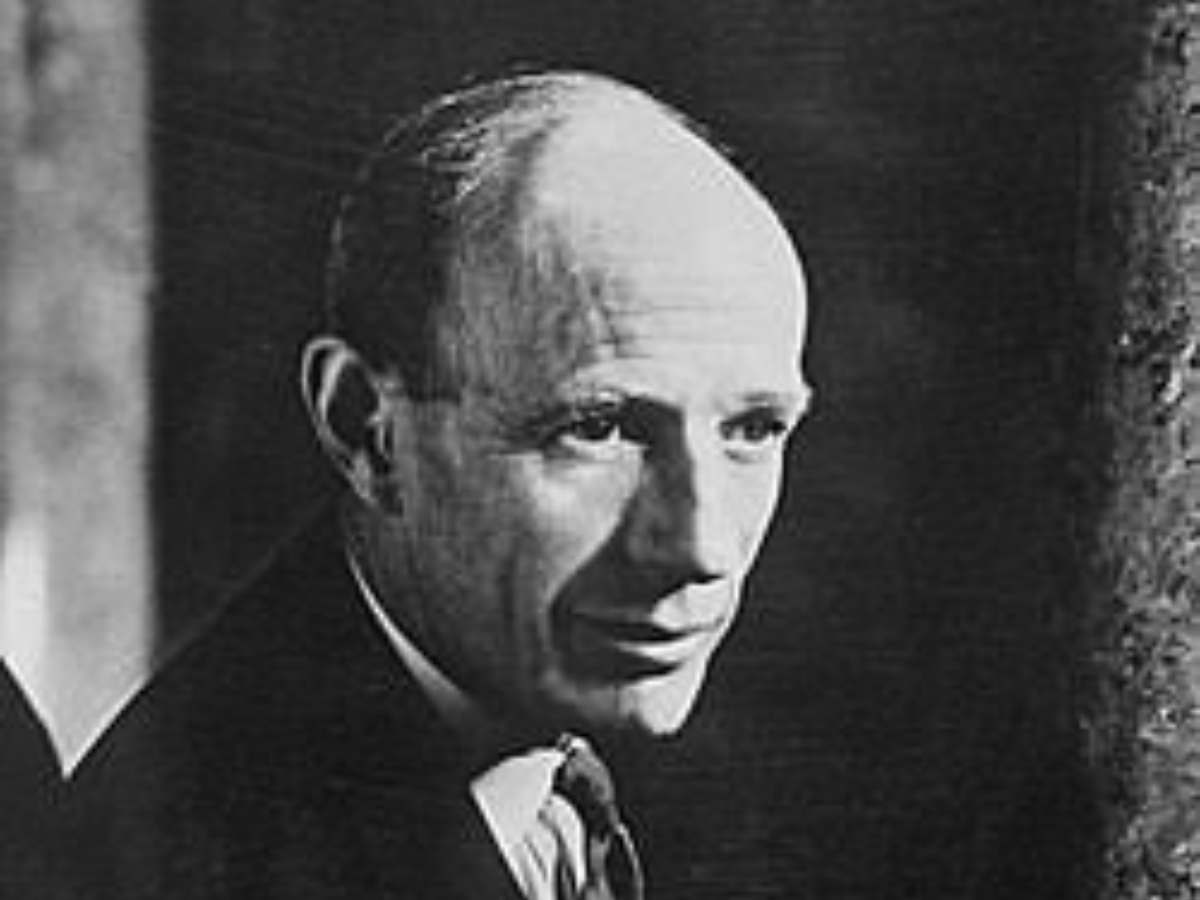
known as Lord Irwin
Walk through New Delhi today and Irwin’s five years are still visible in the landscape: the circular old Parliament, Rashtrapati Bhavan, India Gate, the broad avenues of Lutyens’ Delhi and a women’s college that continues to bear his wife’s name all belong, in one way or another, to that short stretch of time.
A century after he became Viceroy, the city he helped complete remains the political centre of India. Naturally, it is no longer an imperial capital. But it is still the capital whose final stones were laid while Lord Irwin lived on Raisina Hill.