More than four decades after the 1984 anti-Sikh violence, survivors living in Tilak Vihar are preparing to return to a Central Bureau of Investigation (CBI) court on September 9, 2026, for a hearing in the case against Congress leader Jagdish Tytler.
The hearing is only one part of their long struggle. The women are also seeking ownership rights to the homes allotted to them, the waiver of electricity dues running into several lakh rupees and compensation that reflects the losses they have endured.
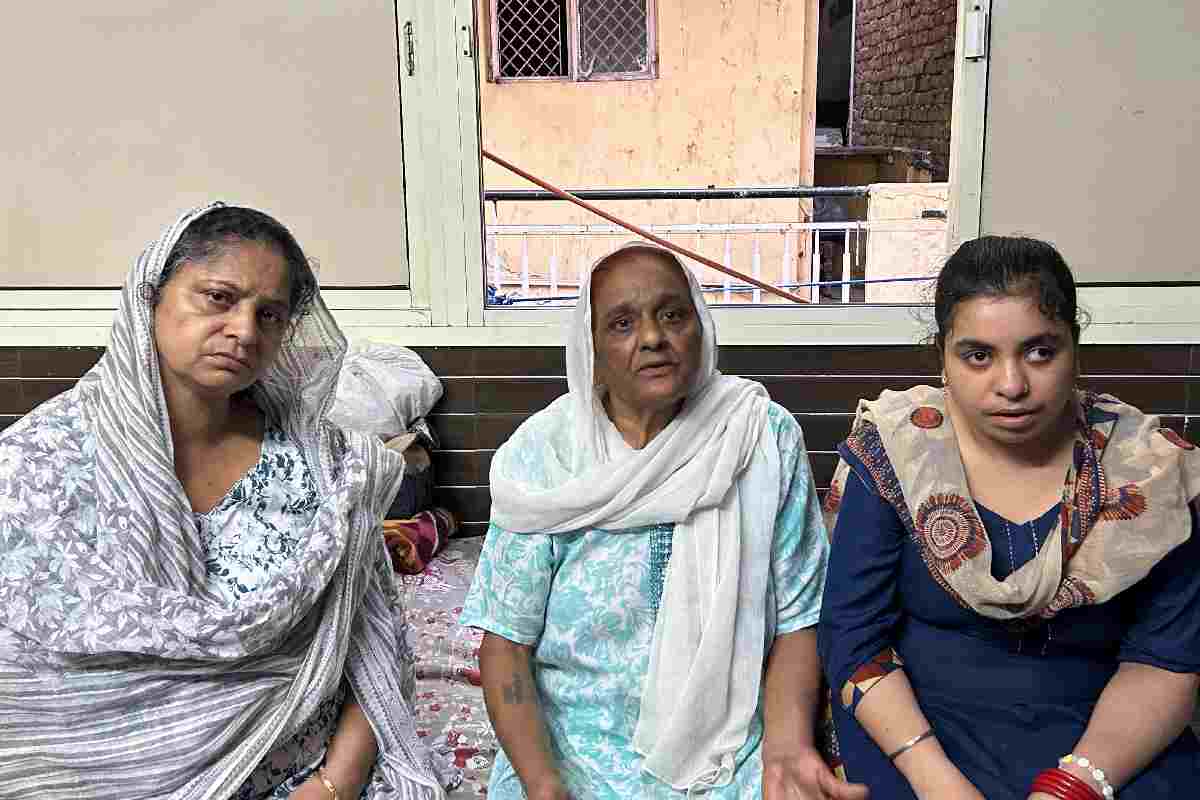
The narrow lanes of Tilak Vihar in West Delhi, widely known as the Widow Colony, are home to hundreds of families who survived the violence. The women who rebuilt their lives here are now in their 60s, 70s and 80s. Most arrived after losing husbands, sons, brothers and other relatives in the violence that followed the assassination of Prime Minister Indira Gandhi on October 31, 1984.
The upcoming hearing comes months after a Delhi court acquitted former Congress MP Sajjan Kumar on January 22, 2026, in a case related to violence in Janakpuri. He had previously been discharged in the related Vikaspuri case. Kumar remains lodged in Tihar Jail, serving life sentences imposed in other cases connected with the 1984 violence.
‘We had nothing to do with politics’
Inside her small, government-allotted home, Laxmi Kaur keeps a framed photograph nearby but is reluctant to discuss it with visitors.
The 70-year-old, originally from Alwar in Rajasthan, was living with her family in Trilokpuri, one of the worst-affected areas, when the violence broke out. She now lives in Tilak Vihar.
She is now facing a different crisis. An electricity meter was installed at her house in 2016, but she has not been able to pay any of the bills since. The outstanding amount has reached Rs 4,25,990.
In mid-July, she and several neighbours received notices warning that their connections would be cut if the dues were not cleared.
“How does a woman my age even begin to pay such a bill?” she said. “The meter has been running since 2016. We never had the money to pay it, and now they say they will cut the line. Where do we go from here?”
Kaur said everything changed on the morning of November 1, 1984. The family had learnt a day earlier that Indira Gandhi had been shot but found out only later that she had died.
“We were ordinary people. We had nothing to do with politics, nothing to do with what had happened in Delhi’s corridors of power,” she said.
According to Kaur, meetings were held that night and word spread that Sikhs were to be killed. By the following morning, the violence had begun.
“There was no time even to make tea that morning,” she said. “There were no mobile phones then, and not every home had a television. All we could do was run from door to door, asking each other what was happening, because nobody really knew.”
Three days of violence
Kaur said vehicles and shops owned by Sikhs were set on fire, homes were burnt and looting began by evening.
“The police did not help us either,” she said. “We looked for them, and there was no one.”
She recalled Rajiv Gandhi’s remark after becoming Prime Minister that when a big tree falls, the earth shakes, which she believes helped justify the violence. She also referred to a statement attributed to actor Amitabh Bachchan about avenging blood with blood.
The violence, she said, continued for three days and nights.
A family devastated
Kaur’s brother was killed. Her brother-in-law and his son were also killed, along with the brother-in-law’s four brothers.
Her younger brother, who had four children, was killed, as were an uncle’s son-in-law and son and another uncle’s son-in-law and his son.
“Our entire family was killed in the ’84 riots,” she said, her voice dropping.
Kaur said Operation Blue Star, the Indian Army action at the Golden Temple, formed part of the events that preceded the killings.
“Not even children were spared,” she said. “Women and girls were not spared. We were treated with great injustice.”
‘There was no time to grieve’
In the same building, 62-year-old Asha Kaur remembers the days that changed her life.
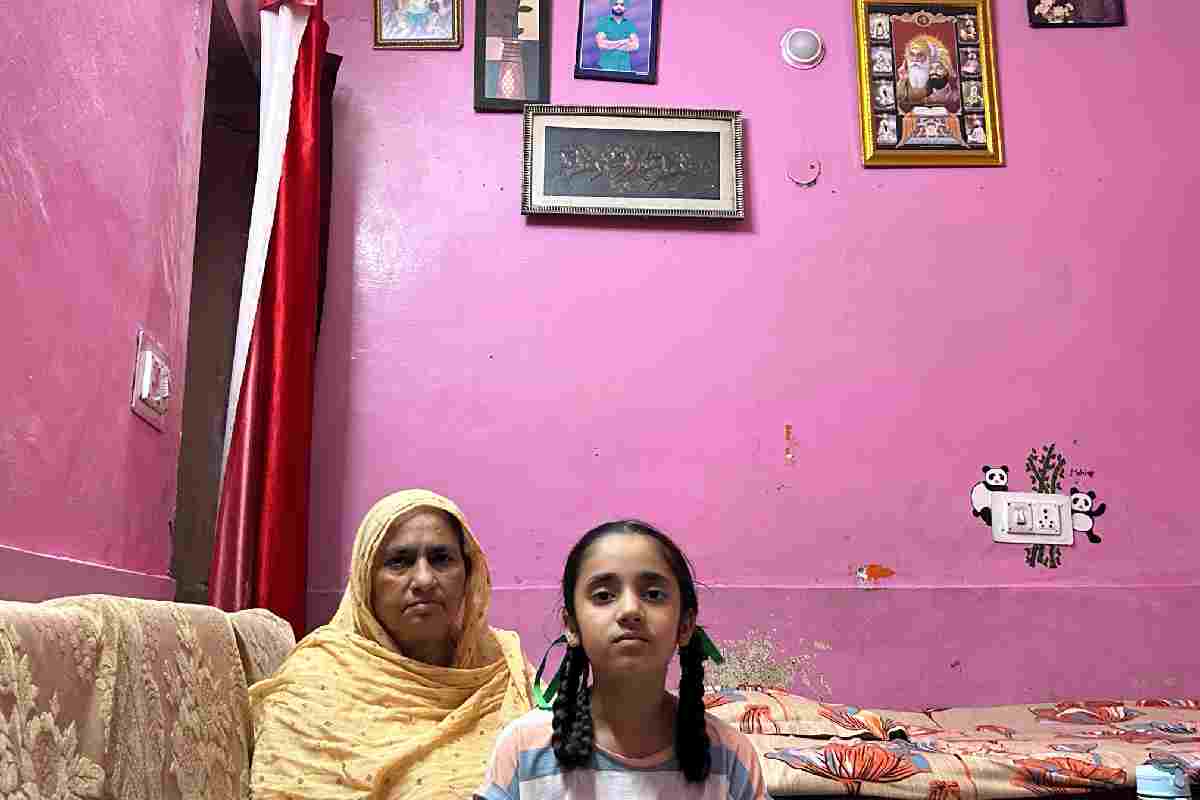
“On November 3, the military finally came and took us to a camp. Until then, nobody came,” she said. “We were terrified. Our homes had been looted, our people had been killed, and still we waited.”
Her brother-in-law was killed, while her husband was attacked with a sword and later killed.
“People were burnt alive with kerosene. Some had their throats slit. Women were raped,” she said. “It was horrifying, and I have never been able to forget it.”
Asha was 20 when her husband was killed on November 2, 1984. They had been married for three years.
“I had three children, two daughters and a son. My son was very young when his father died,” she said.
She had little formal education and supported the family by working in other people’s homes.
“There was no time to grieve, because I had children to feed,” she said. “I survived by doing household work, one house after another.”
Loss across generations
The violence also affected the next generation.
“My son grew up carrying the burden of our family’s pain. He died after years of depression and stress,” Asha said quietly. “He too had been married only a few years.”
Her daughter-in-law now lives separately with one of her children. Only Asha’s granddaughter visits her occasionally.
Asha said the label attached to survivors had also caused lasting pain.
“People don’t look at us like ordinary people,” she said. “They call us ‘Chaurasi ki Maari’ (those scarred by ’84).”
Asha also remembers the life she had hoped to lead.
“I too wanted to wear a bindi, jewellery and colourful clothes like other married women,” she said. “But I became a widow when I was quite young. Those dreams ended before they had a chance to begin.”
‘They killed him anyway’
For S Laxmi Kaur, 70, every journey through Mangolpuri takes her back to the day she lost her husband.
Now living in Tilak Vihar, she keeps a framed newspaper photograph from the days of the violence. She is reluctant to discuss it with visitors.
The photograph shows her carrying her two-year-old son while searching the streets for her husband, unaware that he had already been killed.
“By the time my husband reached Kala Mandir Cinema Hall, he was running to save his life,” she said. “A mob threw a burning tyre around his neck. He caught fire, but he was still alive. Then a police officer shot him. That is how he died, in front of people who did nothing.”
In an attempt to avoid being identified as a Sikh, her husband had cut off his long hair.
“He chopped off his hair because he thought it might save him,” she said, her hands trembling slightly. “But they killed him anyway.”
Kindness amid the violence
Laxmi survived because a family from Bihar gave her shelter.
“They hid me in their house,” she said. “Before leaving, I gave them my gold ring, my panjiri, my silver toe rings and a brass lota. I told them, ‘If I survive, I’ll come back for these.’ At that time, I didn’t know if I would ever return.”
Years after she was resettled in Tilak Vihar, the head of the family came looking for her.
“He asked for my name and returned every single thing I had left with them,” she said. “In those terrible times, humanity still survived in some people.”
Her family suffered further losses. Her eldest son was also killed during the violence. Her younger son has a disability and is unable to work.
Her daughter-in-law, now in her 50s, also lives in the house. She has spent decades as a widow while raising her daughter, now in her early 30s, who has a mental disability.
The long wait for justice
Laxmi Kaur, who lived in Trilokpuri in 1984, has spent decades attending court proceedings related to the violence.
She is part of a survivors’ group pursuing the case against Tytler.
“We went on [August] 4. We will go again on September 9 because we want Tytler to be punished,” she said.
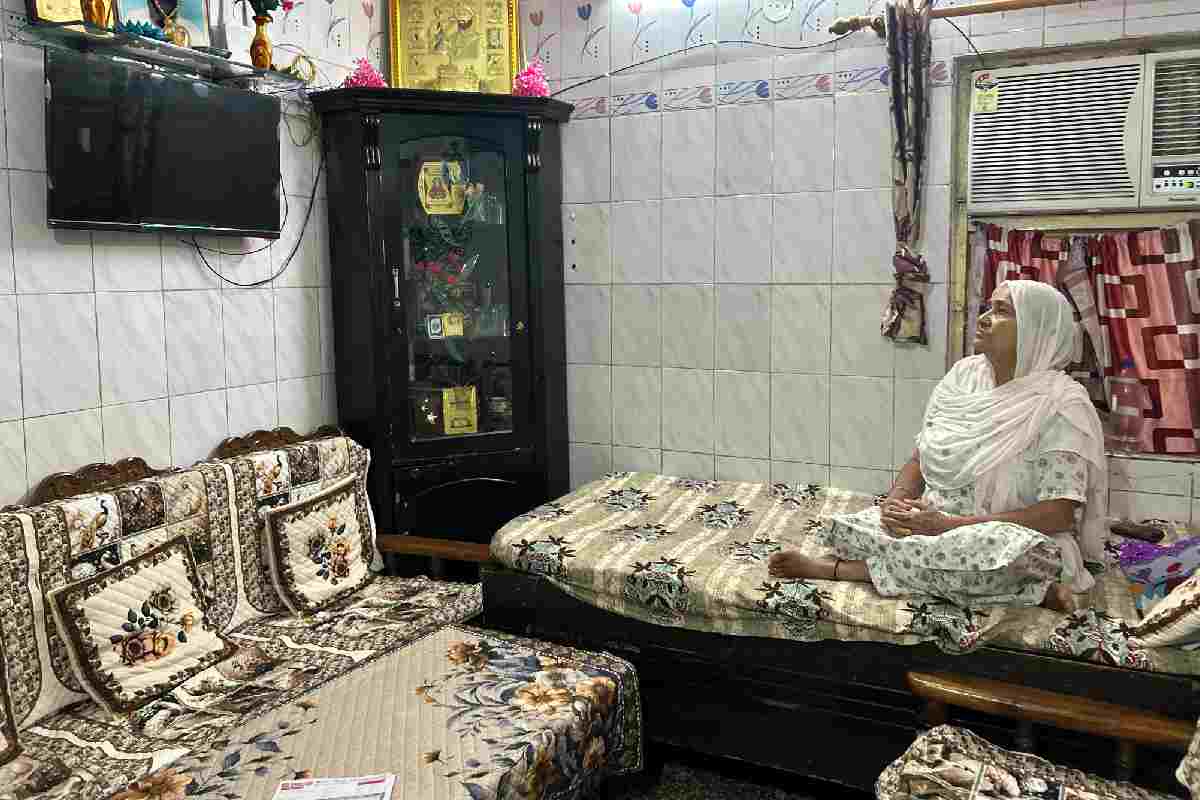
The women lost family members in different circumstances: A husband was burnt and shot near a cinema hall, a son died after years of depression and entire families were scattered. Their demands, however, have remained largely unchanged.
They want ownership rights to the homes allotted to them after 1984. They also want their electricity dues, some of which have reached several lakh rupees, to be waived.
Notices demanding payment, such as the one lying in Laxmi Kaur’s home, remain a constant source of anxiety. The survivors also want those accused in cases connected with the violence, including Tytler, to be convicted. They are seeking compensation that reflects the losses they have lived with for more than four decades.
None of these measures can undo what happened in November 1984. The women say, however, that ownership papers, cleared electricity bills and convictions would show that the state recognises them as citizens whose demands for justice remain unresolved.
For now, they have pinned their hopes on the September 9 hearing.