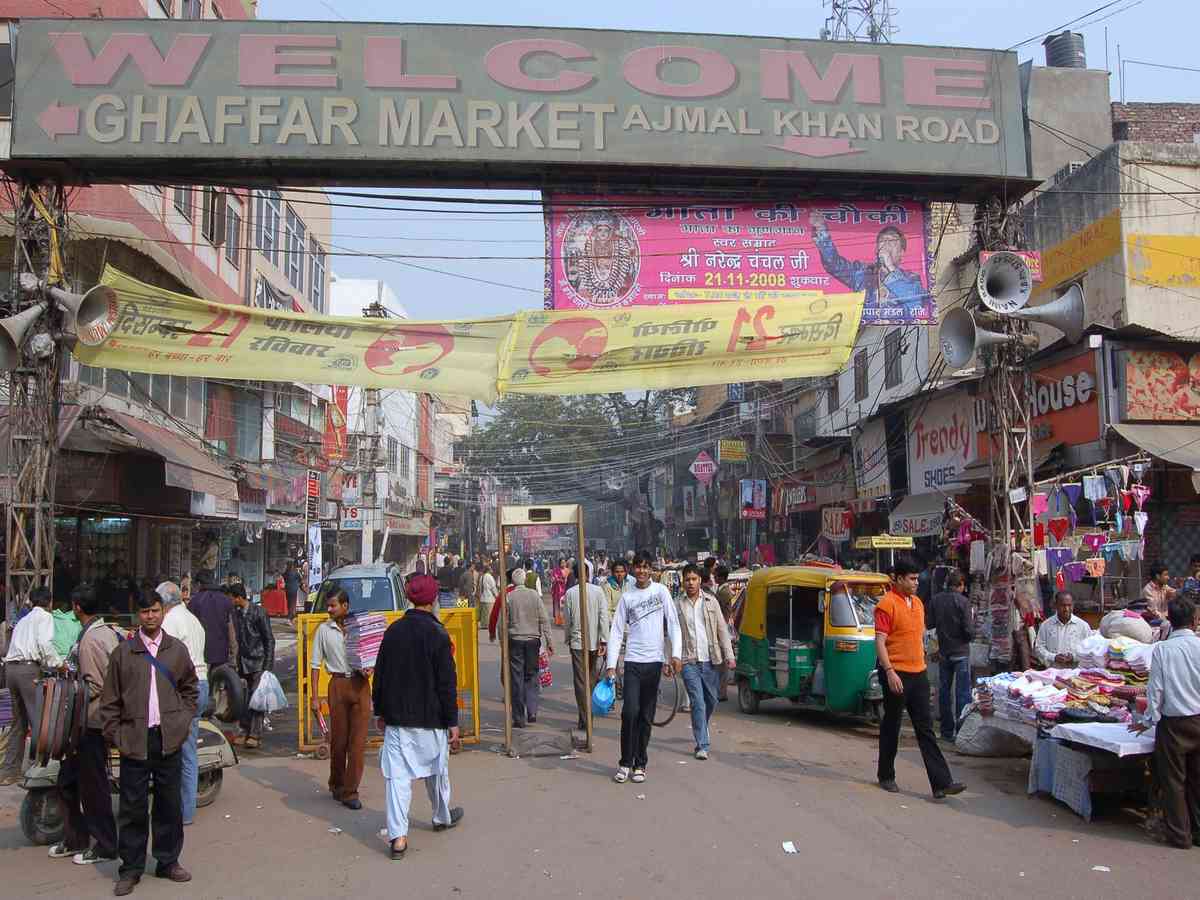
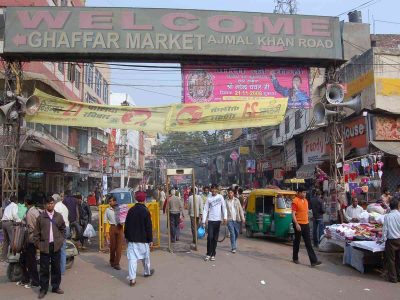
As you step inside Karol Bagh after alighting at the metro station, you find the same Karol Bagh that you have known for several decades. Happy faces all around, hawkers, customers, and more. For a while, you feel that Karol Bagh remains unchanged.
No, not really. As you walk further, you notice the boards of legendary Roshan Di Kulfi, Punjab Sweets, Roopak Stores, and other iconic shops. Here you realise that, quietly but surely, it is changing.
How? You realise that Urdu has almost disappeared from the signboards. That was not the case till the early 2000s. There was a time when shopkeepers in Karol Bagh identified strongly with Urdu because many had roots in West Punjab. If Urdu is no longer visible on the boards, Punjabi — once the lingua franca of Karol Bagh — is also heard far less frequently now. It has largely given way to Hindustani.
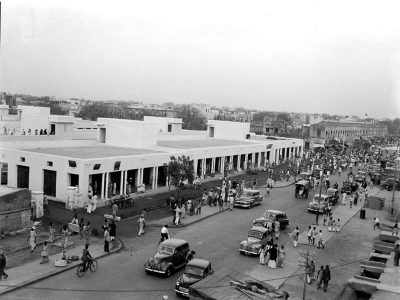
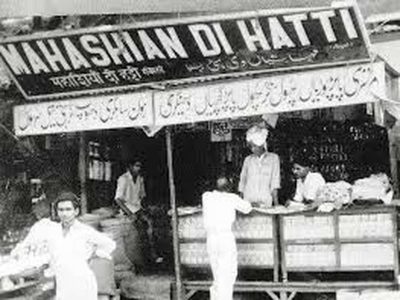
Alas, you also no longer see the iconic figure of Mahashay Dharampal Gulati, founder of MDH Masale. He famously walked barefoot through Karol Bagh and the Ajmal Khan Road area. Why? He once gave this writer a touching explanation: “For me, Karol Bagh is like a sacred place. This place has given us so much since we came here after Partition.”
Not only Mahashayji, but you will also rarely find old-time Punjabis with roots across the Radcliffe Line wearing a salwar-kameez with a pagdi. Then you realise that the passage of time is changing Karol Bagh too.
Generations of Delhiites have drawn joy from the lively sparkle of Ajmal Khan Road, the energetic pulse of Gaffar Market, and the intimate warmth of its narrow, winding alleys that together form the beating heart of Delhi.
Parking issues
Yet, one persistent challenge continues to cast a long shadow over Karol Bagh. The long-delayed multi-level parking project at Shastri Park remains a major issue affecting the market. Originally designed to accommodate more than 500 cars, it has languished for decades while the market has struggled under growing vehicular pressure. Because of this, even some longtime patrons of Karol Bagh are turning towards other markets. As a result, businesses say trade has suffered.
Also Read: Austerity call, then empty showrooms and idling autos
Murli Mani of the Karol Bagh Traders Association articulated the frustration of the business community:
“It is high time the parking situation in Karol Bagh is addressed. Poor parking facilities and encroachments have put the market in very bad shape. People now think twice before visiting. This situation is hurting both the business and the charm of Karol Bagh.”
Testament to resilience
Karol Bagh was once full of bushes and wild vegetation before developing in the 1930s, shortly after Connaught Place. However, its most profound transformation unfolded after Partition.
Hindu refugees arrived from Pakistan carrying little more than shattered dreams and immense courage. They settled in these neighbourhoods, opened modest shops, and rebuilt their lives with remarkable determination.
Older residents recall that Karol Bagh had once been a Muslim-majority area before Partition. Pakistani Test cricketer Sikandar Bakht’s family had lived there. Writer and journalist KN Gupta, 93, recalled that many of his Muslim friends living in Karol Bagh and Ajmal Khan Road moved to Pakistan after 1947, after which their homes were taken over by Hindu and Sikh refugee families.
What truly sets Karol Bagh apart is its remarkable diversity. Far from being solely a Punjabi enclave, it has also long welcomed thriving south Indian communities that enriched the area with distinctive food, traditions, and culture.
The Namdhari Sikh community, too, contributed greatly through its simplicity, discipline, and strong work ethic.
Old charm, new shine
Time has inevitably brought visible changes. Many older showrooms have made way for national and international brands, bringing new energy into the marketplace. Ajmal Khan Road has firmly established itself as a major shopping destination for affordable branded garments, embroidery work, and contemporary fashion.
Meanwhile, Gaffar Market has evolved into a major electronics hub offering mobile phones, laptops, accessories, and gadgets at competitive prices. Yet, traders say the parking crisis continues to affect footfall.
Shared heritage
Karol Bagh is far more than a shopping destination. It stands as a living reminder of the pain, resilience, and rebuilding associated with Partition — a place where refugees reconstructed their lives from scratch and where figures like Mahashay Dharampal Gulati became enduring symbols of perseverance.
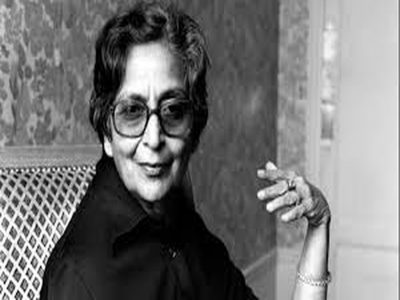
Writers and intellectuals also left their imprint on the neighbourhood. Amrita Pritam and contemporaries such as poet Sardar Harbhajan Singh and Dr Harmeet Singh would often spend long hours at the now-shut Madras Restaurant.
“Addressing the parking crisis sincerely and quickly is essential to restoring Karol Bagh’s former glory. With improved infrastructure, customers will return, shops will revive, and the balance between old memories and contemporary life can flourish once again,” said Rajesh Vachher, another longtime resident of the area.
The next time you walk through Karol Bagh, pause for a moment. Feel the layers of history beneath your feet and reflect on the countless dreams this place has nurtured, broken, and rebuilt. Karol Bagh deserves to preserve both its memory and its vitality.