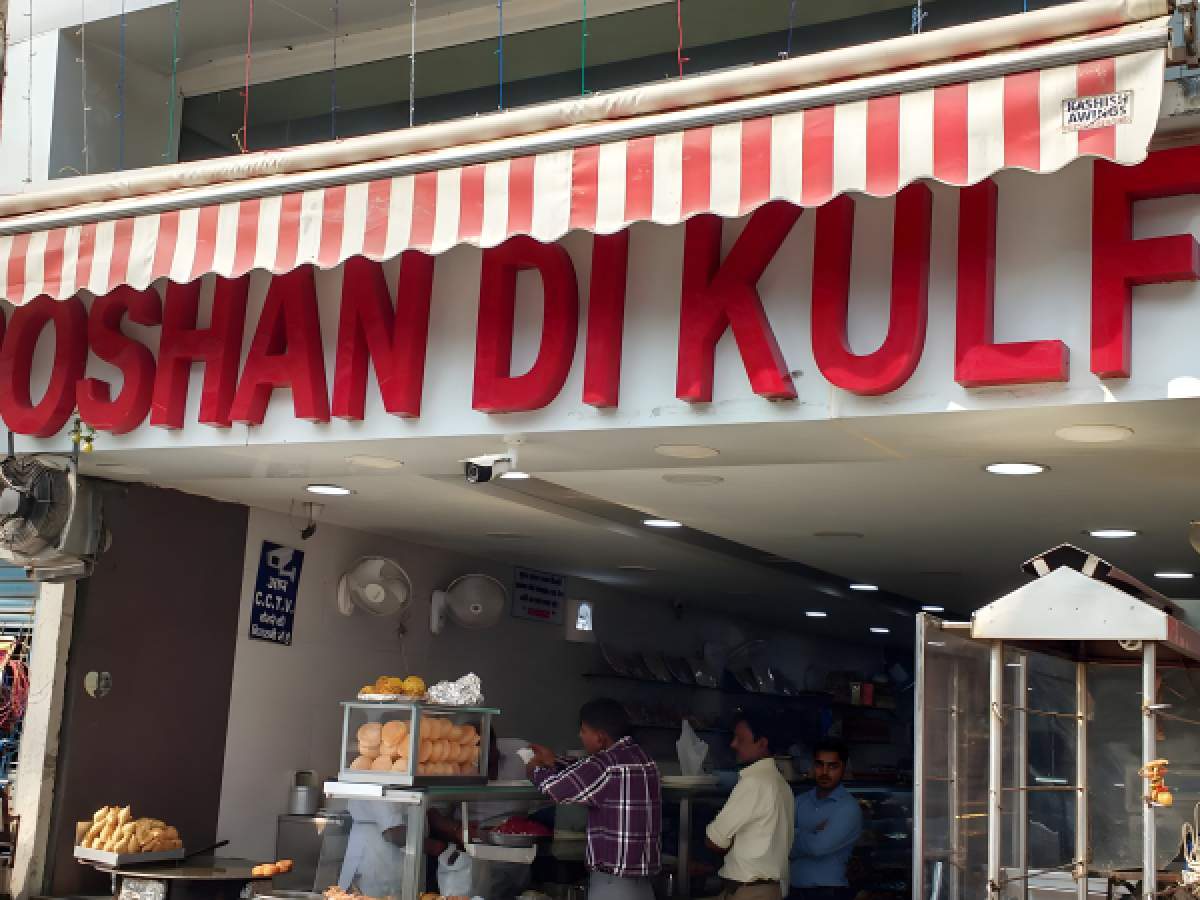
Four days before Diwali in 1997, the pre-festival crowd at Karol Bagh’s Roshan Di Kulfi was savouring a happy evening. Minutes later, a series of bomb blasts ripped through the market. Eight years later, on Dhanteras in 2005, a similar horror struck Sarojini Nagar, Paharganj and Govindpuri. The attacks did not target political rallies. They targeted ordinary shoppers and commuters. For the families left behind, the festival of lights has carried a shadow ever since.
An evening that never ended
Karol Bagh in October 1997 was crowded, and business was brisk. For shopkeepers, the days before the festival were among the most important of the year. For customers, they offered an opportunity to buy new clothes, household goods, sweets and gifts for loved ones.
Then came the explosions.
“I cannot forget those scary moments when ear-splitting blasts rocked the area. The noise of celebration gave way to screams, confusion and fear. People who had arrived to shop found themselves running for safety. Others stopped to help the injured. Karol Bagh, which had been filled with festive anticipation, became a place of grief and desperate searches for the missing,” recalls Rajesh Vachher, a senior member of Karol Bagh Traders’ Association.
Around 34 people lost their lives. Each number represented a person with a name, a family, unfinished plans and someone waiting for them to return.
“I had covered the gory Karol Bagh blasts for my newspaper and still remember those heart-breaking scenes. It had affected me too, and I could not muster the courage to go there again for several years,” recalls Satender Tripathi, Metro Editor of a Delhi-based daily newspaper.
Also Read: CPCB flags high pollution at Sahibabad, Shahdara drains
There may have been a father who had promised to bring home a new dress for his daughter. A mother might have gone out to buy sweets for the family. A young man could have been saving his earnings for a special Diwali gift. Such details rarely find their way into official casualty figures, but they are the details through which families remember their dead.
“For those who lost someone that day, Diwali could never again be quite the same. The festival would return every year, with its lights and prayers, but the empty place at the dining table would remain,” says Jitender Sahani, who also owns a shop in Karol Bagh and is a witness to the carnage.
Day of mourning
On October 29, 2005, Delhi experienced another devastating attack. It was Dhanteras, an auspicious day when families traditionally buy utensils, jewellery and other items considered symbols of prosperity. Markets across the Capital were crowded with shoppers hoping to take home something new before Diwali.
Sarojini Nagar was bustling with customers. Paharganj, with its busy shops and narrow streets, was also full of people. Elsewhere, passengers were travelling on an ordinary public bus in Govindpuri.
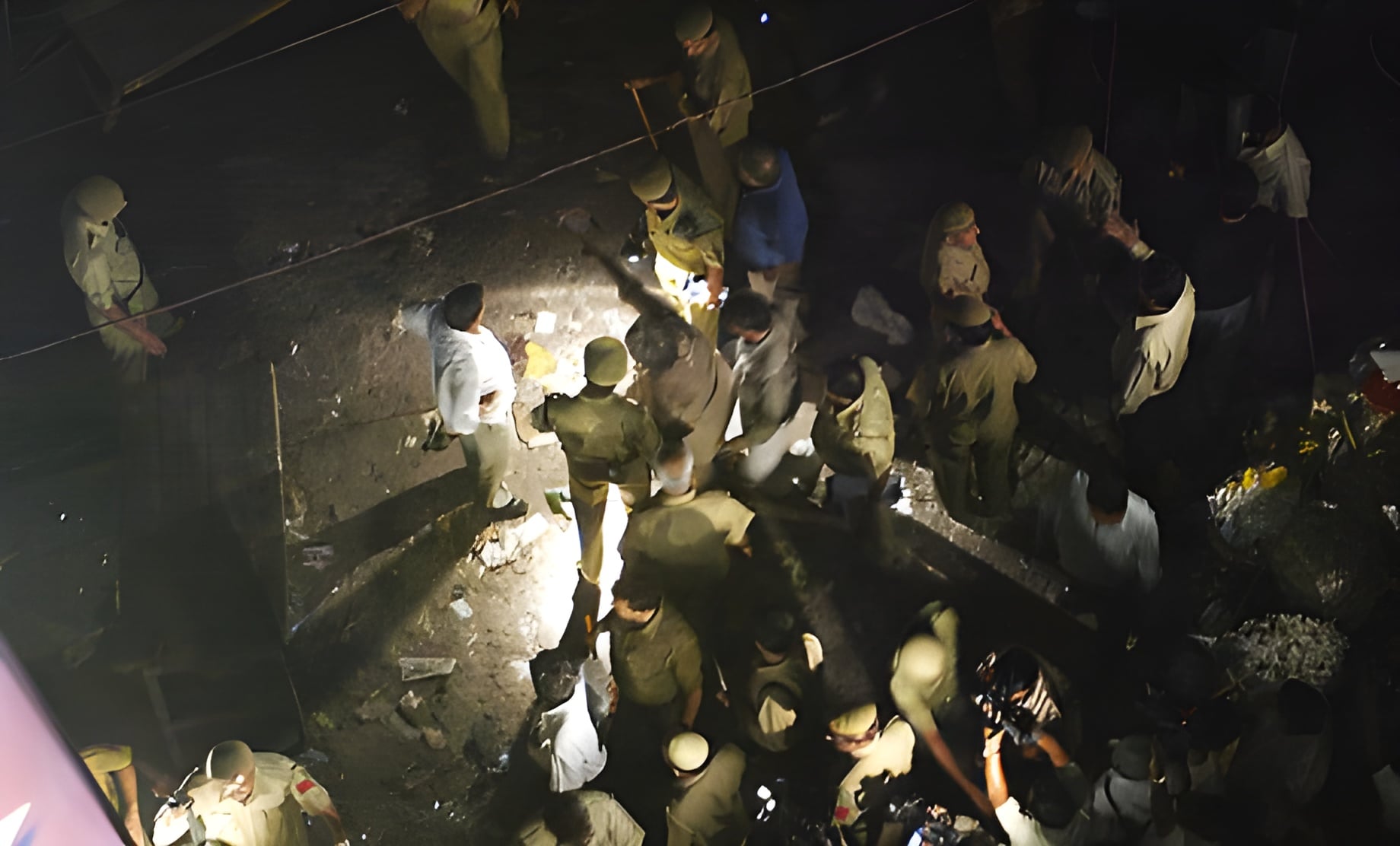
Then coordinated bombs exploded at these locations.
“The scale of the tragedy was horrifying. People who had stepped out to shop or travel found themselves caught in an event they could neither anticipate nor understand. The scenes that followed were heartbreaking. The injured needed urgent medical attention. Families rushed to hospitals, hoping to find their loved ones alive. Others searched for missing relatives, moving between hospitals and gathering points, looking for information that might end their uncertainty,” says Dr Raj Vardhan Azad, an eye surgeon who treated several injured at Rajendra Prasad Centre for Ophthalmic Sciences at AIIMS after the explosions.
Also Read: Where do we belong?’: Delhi tenants worry over SIR deletions
For some, the wait brought relief. For others, it brought news that would divide their lives into a before and an after.
People behind statistics
“Terror attacks are often remembered through casualty figures, investigations, security failures and the search for those responsible. All these matters deserve attention. But the human cost extends far beyond the day of the explosion,” says social worker Kulbir Singh of Govindpuri.
A death can take away the family’s principal earner. A serious injury can mean years of treatment, lost income and emotional suffering. Children may grow up with only fragments of memories of a parent. Spouses may spend the rest of their lives carrying responsibilities they never expected to shoulder alone.
There is also the pain that does not appear in medical records. A survivor may hesitate before entering a crowded market again. The sound of a sudden bang may bring back memories of that terrible day. A family may find that a festival once associated with happiness now awakens grief.
For such people, the passage of time does not necessarily heal every wound. It can soften some memories, but it cannot restore those who were lost.
“As another Diwali approaches, the stories of Karol Bagh in 1997 and Sarojini Nagar, Paharganj and Govindpuri in 2005 deserve to be remembered not merely as dates in a record of terror, but as tragedies that entered ordinary homes and changed ordinary lives,” says Ashok Randhawa, President of the Sarojini Nagar Traders’ association. He was at the forefront in taking the injured to AIIMS and Safdarjung Hospital.
“The people killed in those attacks were part of Delhi’s everyday story. They were parents, children, friends, colleagues, customers and shopkeepers. They had plans for the festival and hopes for the future. Their lives mattered beyond the circumstances of their deaths,” says Rajinder Kumar Jatav, a social worker based in South Delhi.
Diwali will once again celebrate the triumph of light over darkness. Yet, for the families touched by these two tragedies, the festival also carries a painful reminder: even when the city shines brightly, some homes continue to miss a light that can never be replaced.