The Sangeet Natak Akademi (SNA) awards for 2024 and 2025 mark a significant departure from past practice. For the first time, artistes were allowed to nominate themselves alongside the existing nomination process, a change aimed at recognising deserving practitioners beyond the circle of widely known performers. The move has brought several accomplished but relatively less visible musicians into the spotlight.
According to SNA Chairman Sandhya Purecha, the Selection Committee wanted to widen the scope of the awards beyond “high-profile, visible star artistes”.
“We wanted to broaden the scope of the selection process to include worthy, though perhaps less visible artistes,” she said, adding that self-nominations enabled the committee to directly assess an artiste’s work, making the process “more accessible, transparent and merit-based.”
Also Read: Love drives everything in Main Wapas Aaunga: Imtiaz Ali
Honouring excellence
The SNA awards were initiated in 1952 to honour “eminent practitioners, gurus and scholars of music, dance and theatre for sustained individual achievement of high professional order”. Forty-six awards are conferred annually in five categories – music, dance, theatre, other (including folk/tribal/puppetry), and overall contribution to, or scholarship in, the performing arts.
In 2006, the Akademi instituted the Ustad Bismillah Khan Yuva Awards to recognise exceptionally talented musicians under the age of 40. Up to 33 artistes are honoured each year. Recipients are selected by fellow artistes and previous awardees, making these among the most sought-after honours for young practitioners in the performing arts.
Over the years, the awards have also acquired a reputation for a certain predictability, with the selection process often viewed as a routine annual exercise. At times, the selection committee appears to have played catch-up by honouring artistes in their 80s whose most significant artistic contributions may have come years, or even decades, earlier.
Broader selection process
Purecha said allowing artistes to nominate themselves has enabled the selection committee “to directly assess the quality, range and impact of an artiste’s work. This made the process more accessible, transparent and merit-based”.
“Every eligible artiste should have the right to seek recognition on merit. No artiste should have to depend on recommendations or nominations from influential individuals. Artistes who have dedicated years to their art should be able to present their work with dignity,” she said.
The revised approach produced some notable outcomes. A number of awardees were relatively unknown, not only to the general public but even to fellow practitioners.
Recognition at last
Among them is Delhi-based vocalist Suresh Gandharv, who hails from the village of Subana in Haryana’s Jhajjar district and moved to Delhi in the mid-1980s. Despite his accomplishments, he has never received the recognition many believe he deserves. Now 65, Gandharv was drawn to the gayaki of the founder of the Indore Gharana, Ustad Amir Khan, and later trained under the late Professor Ravinder Bisht, a disciple of Amir Khan.
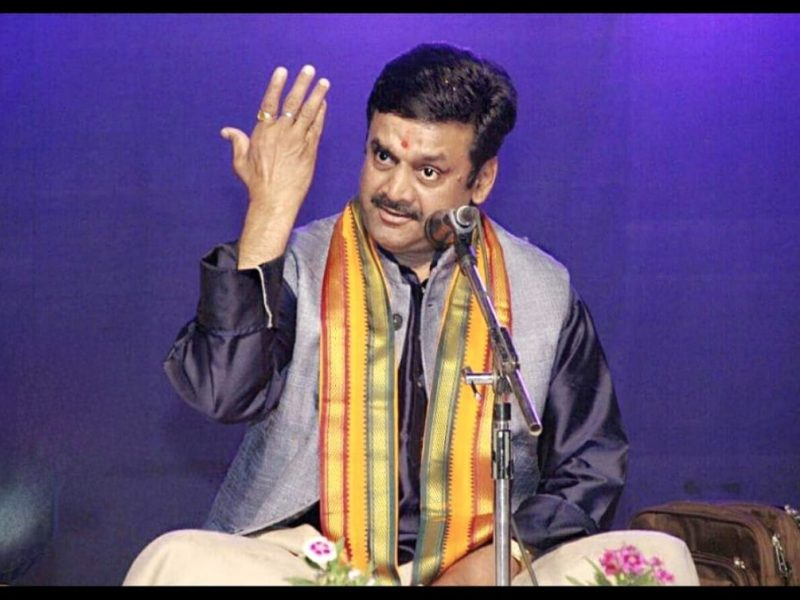
Interestingly, Amir Khan himself hailed from Jhajjar, which was a recognised centre of music 150 to 200 years ago. Yet Haryana has produced only four SNA awardees.
Gandharv said he felt blessed to receive the prestigious honour despite having no musical lineage. “Permitting self-nomination has been wonderful. I doubt I would have received the award without it,” he said.
Laughing, he added, “My guru had to work really hard to remove the Haryanvi accent from my singing. I had to work doubly hard!”
Delhi-based Rita Ganguly was awarded the SNA Fellowship for 2024 in recognition of her contributions to music and theatre. Other Delhi-based recipients of the SNA Award include dhrupad vocalist Nirmalya Dey, veteran sarangi exponent Bharat Bhushan Goswami, and Manjari Sinha, who was honoured for her decades-long contribution to the performing arts through her writing.
A joint honour
Among the recipients of the Ustad Bismillah Khan Yuva Award for 2025 was the husband-and-wife vocal duo Avinash Kumar and Rindana Rahasya. Both have lived in Delhi for more than two decades and combine performing careers with teaching music.
Avinash hails from Bihar and follows the gayaki traditions of the Kirana Gharana under Pandit Somnath Mardur and Pandit Tushar Dutta, as well as the Agra Gharana under Pandit Tushar Dutta. Rindana is from the Kumaon region of Uttarakhand. Trained initially in the Kirana tradition, she now follows the Jaipur-Atrauli style under Ashwini Bhide Deshpande.
Neither comes from a musical family, although both credit their parents with nurturing their interest in music and encouraging them to pursue formal training.
The couple received the award jointly despite having established successful solo careers, in recognition of the jugalbandi they have painstakingly developed together. The form, revived and popularised by Pandit Jasraj of the Mewati Gharana as Jasrangi gayaki, allows two different ragas to be rendered simultaneously by male and female vocalists—or by a vocalist and an instrumentalist. Because the male and female vocalists sing in different keys, two distinct ragas can unfold simultaneously, making the style exceptionally demanding and relatively rare.
Words of encouragement
Performing Jasrangi gayaki demands an intimate understanding of each other’s music, something Avinash and Rindana have clearly developed over the years.
Rindana recalled how their journey with the form began: “Once we posted a clip of ourselves singing Jasrangi together on social media. Pandit Jasraj heard it and praised our effort, saying, Despite not being trained in this, you sang well. He encouraged us to continue and even generously offered to guide us if we visited New York, where he was then living.”
Avinash said they had submitted a joint nomination without expecting to be selected. “We nominated ourselves jointly, never expecting to receive the award because there are so many outstanding artistes,” he said.
The 2024 and 2025 Sangeet Natak Akademi awards suggest that excellence in Indian classical music is no longer seen as the preserve of those born into established musical lineages. Increasingly, artistes without hereditary musical backgrounds are making their mark—and receiving recognition for it.
Also Read: Dance has always been my true calling: Revati Mahurkar