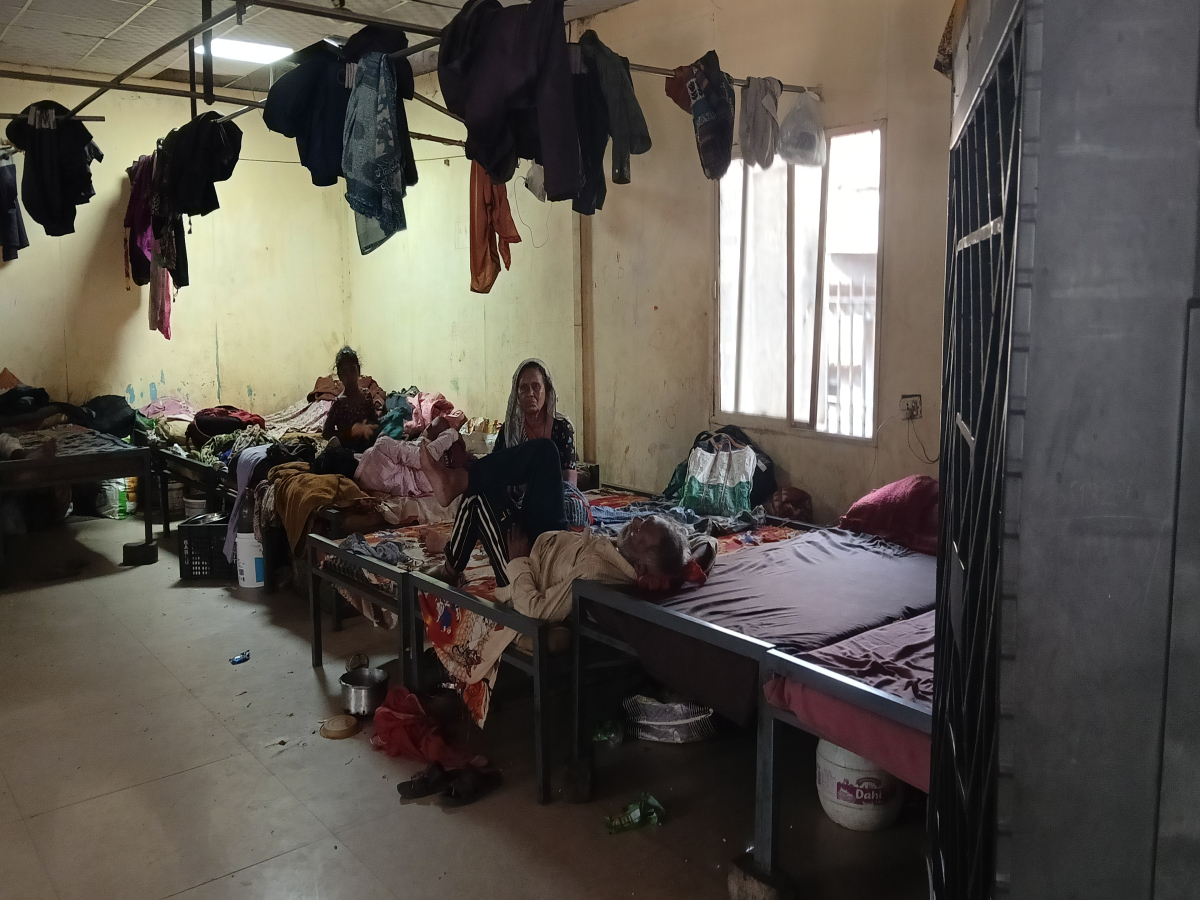
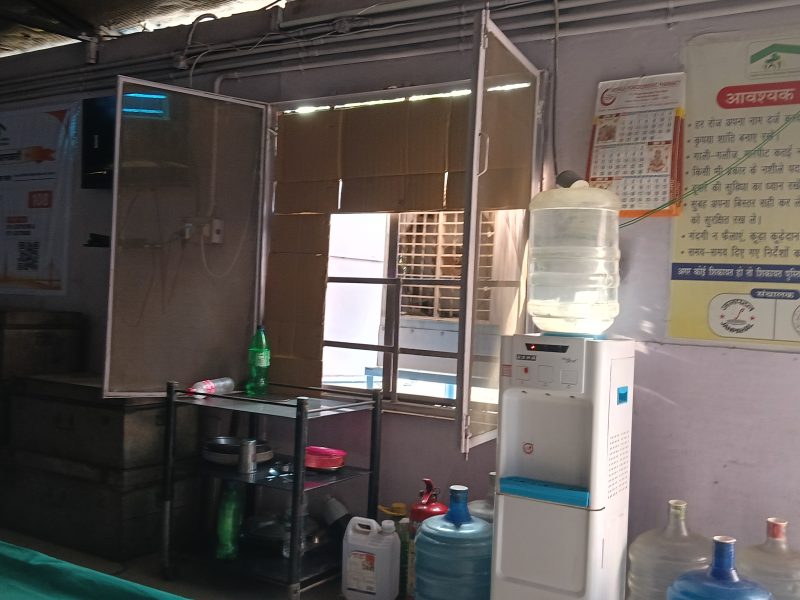
“There is not enough space even for the people already living here. Where are we supposed to accommodate more people during the summer season?” questioned Pushpa Devi, one of the caretakers at the Nehru Place porta cabin rain basera.
Flipping through the attendance register, she pointed to a number at the bottom of the page — 51.
“There are only 30 beds inside the night shelter meant for families. It’s only morning, and we are already hosting 51 people. Last night, we had 72 people. It is not sustainable. We cannot simply cram people inside whenever the authorities decide to. Even homeless people deserve dignity,” she said.
Summit preparations
Ahead of two international summits scheduled later this month, the Municipal Corporation of Delhi (MCD) instructed several agencies, including the Delhi Urban Shelter Improvement Board (DUSIB), Delhi Police, and the Public Works Department (PWD), to move homeless people living beneath flyovers, on pavements, and along central verges into shelter homes.In a communication dated May 4, the MCD stated that the exercise was being carried out in preparation for the fourth India-Africa Forum Summit (IAFS-IV) 2026 and the inaugural International Big Cats Alliance (IBCA) Summit.
The events are scheduled to be held at Bharat Mandapam between May 28 and June 1.
The letter, sent by the Deputy Commissioner of the MCD’s Central Zone to relevant agencies, noted that joint field inspections had identified homeless people “temporarily residing or congregating” on pavements, central verges, and beneath flyovers along major arterial roads, many of which fall under the jurisdiction of the PWD.
“This (homeless squatting) is resulting in sanitation challenges, unhygienic conditions, and compromised aesthetics on key stretches of the city,” the letter stated.
Capacity concerns
According to the DUSIB occupancy report dated May 11, 1,203 people were staying in porta cabin shelters and 1,274 in permanent shelter buildings. Across all shelters, 2,793 people were reported to be staying against a total capacity of 17,334.
The capacity of temporary tents was not included, as they are generally used only during the implementation of the Winter Action Plan.
However, caretakers across multiple shelters said the official numbers did not reflect the actual situation on the ground.
Many homeless families living in shelters stay with children, several of whom are not always reflected in occupancy records.
“Many times, children are not counted. We are often asked to count according to the number of beds being used. Beyond that, we begin counting on a per-person basis,” a supervisor at the Sarai Kale Khan porta cabin shelter said on condition of anonymity.
Families under strain
Children were visible across shelters in different parts of Delhi, with many family shelters housing large numbers of minors.
“These shelters are already extremely hot for children. If more people are shifted here, their health could suffer,” Pushpa Devi said.
According to her, many children at the Nehru Place shelter had spent most of their lives there.
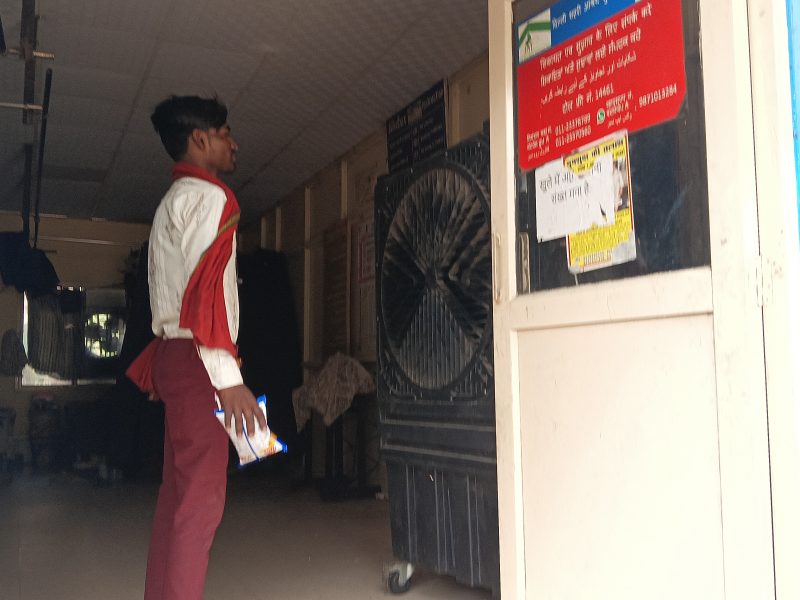
From malfunctioning desert coolers to broken fans, relief from the summer heat remained limited.
“If more homeless people are shifted here, it will become a disaster. Even the motor pump of the cooler does not work. We have complained several times, but we are repeatedly told that the DUSIB has not responded,” said Renu, who has lived at the shelter for nearly five years.
Lack of infrastructure
Concerns appeared especially acute in family shelters, where many residents have effectively turned temporary shelters into long-term homes.
“It was never meant to become permanent housing, but at the same time, we cannot simply ask people to leave,” said Prem, one of the caretakers at the Sarai Kale Khan shelter.
According to several caretakers and residents, the larger issue remains the shortage of adequate shelter infrastructure for families.
“There are not enough proper buildings to accommodate families. Permanent structures should have been constructed by now so that families can live with some dignity. Tin sheds could have been converted into concrete structures so that the heat becomes more bearable,” Pushpa Devi said.
According to estimates from Shahri Adhikar Manch: Begharon Ke Saath, Delhi’s homeless population stood at nearly three lakh in 2024, while official winter shelters had a combined capacity of only 20,544 people.
“With the heat, if more homeless people are shifted in with us, things will become much more difficult,” said Sonia Kaur, a resident of the Sarai Kale Khan shelter and a former Delhi Commission for Women worker.