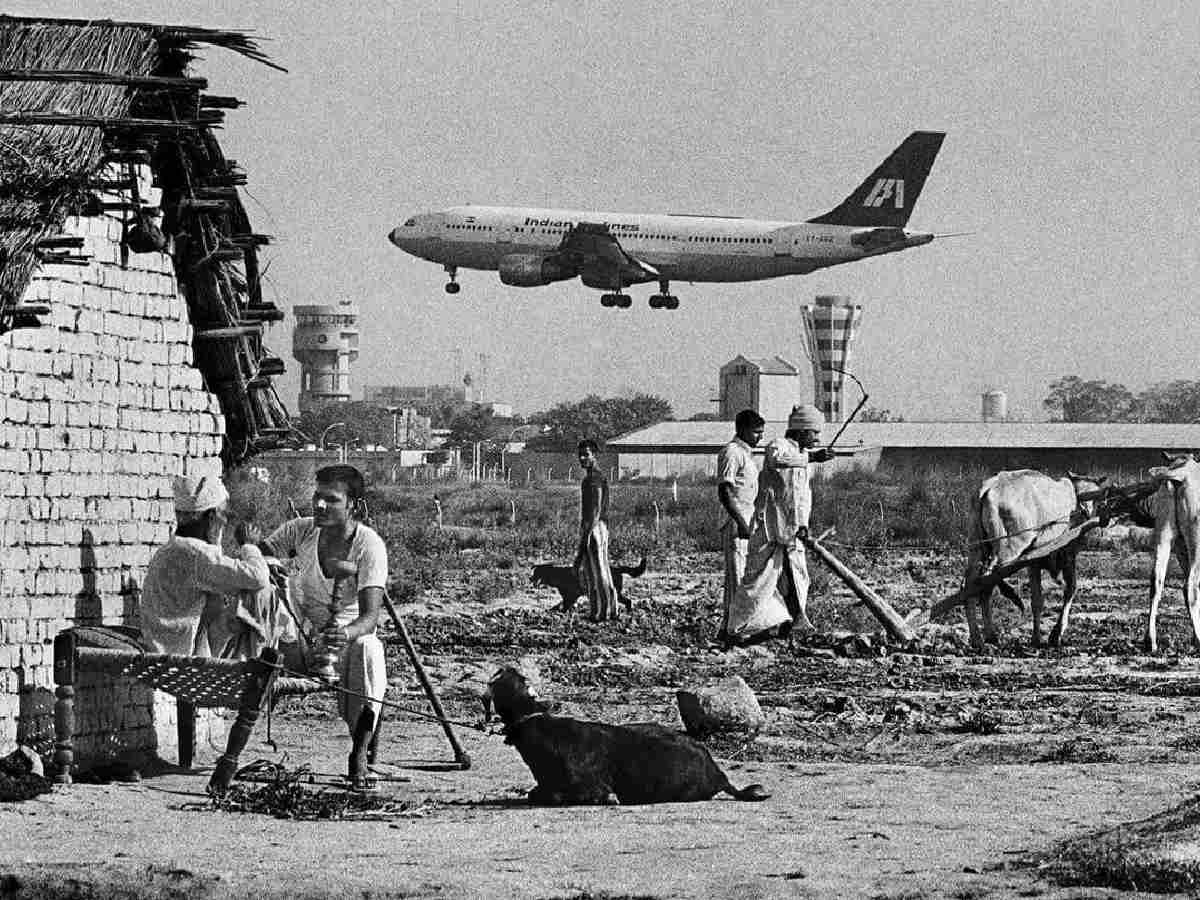
Aviation sector expert Ajit Dubey has vivid memories of the early 1960s, when the INA flyover had not yet been built. Along with his schoolmates from Sarojini Nagar, he would watch planes taking off and landing at Safdarjung Airport. Years later, he joined Palam Airport and, before retirement, also worked at IGI Airport. Now, he is planning to fly from the new Noida International Airport, which will be inaugurated on March 28.
It is an opportune moment to look back at the evolution of aviation in Delhi-NCR. From humble grass strips under British rule to today’s bustling hub, the story of Safdarjung, Palam, and Indira Gandhi International Airport mirrors India’s own journey — from colonial outpost to economic powerhouse.
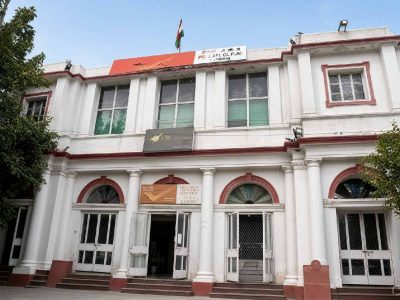
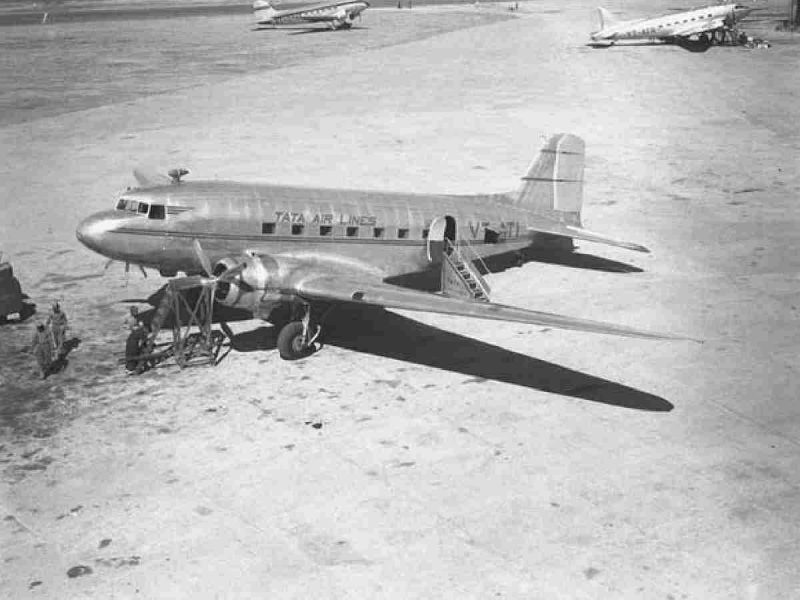
The story begins in 1929 at Willingdon Airfield, later renamed Safdarjung Airport after Independence. It was India’s second airport after Mumbai. Named after Viceroy Lord Willingdon, the airfield started with little more than grass runways and tents. Yet it quickly became a key centre of early Indian aviation. The first airmail flight had already touched down in 1918, followed by the London-Cairo-Delhi route the same year. By 1927, the first commercial flight had landed, and in 1928, the Delhi Flying Club was established here, with two de Havilland Moth biplanes named “Delhi” and “Roshanara.” It was here that a young Biju Patnaik and his future wife, Gyan Sahani, also learnt to fly. Young enthusiasts flew over the Yamuna plains, dreaming of a connected India.
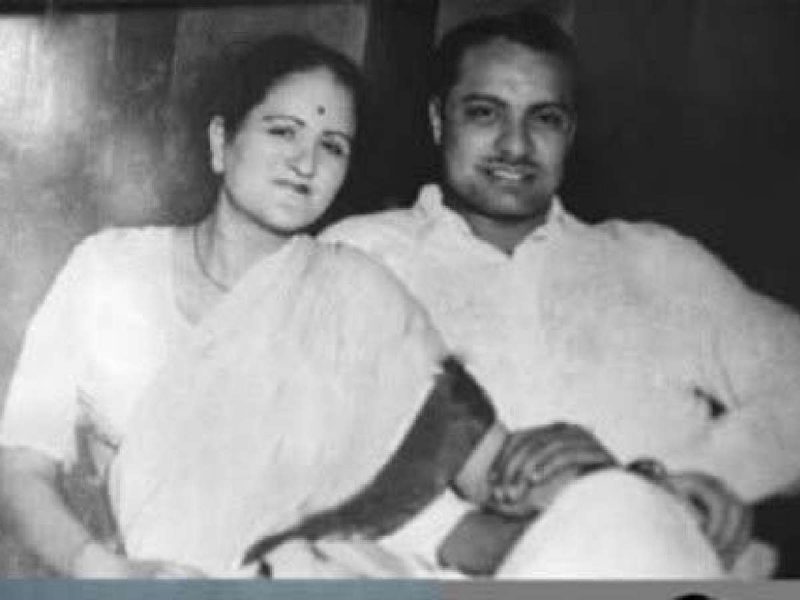
wife, Gyan Sahani
Safdarjung played a key role during the Second World War, serving as a node on the South Atlantic air ferry route for ferrying aircraft and supplies to Allied forces across Asia.
Louis Fischer to Jinnah
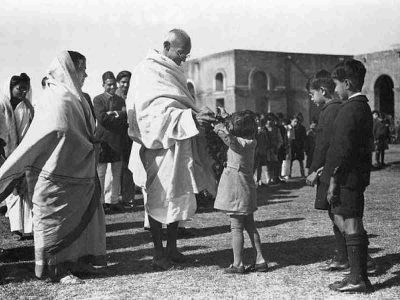
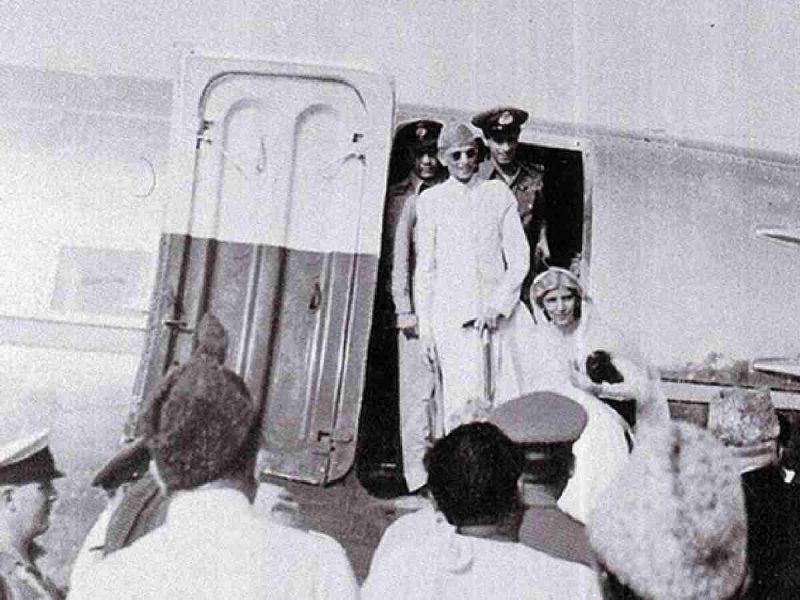
In 1946, author Louis Fischer landed here while working on his biography of Mahatma Gandhi. From this airport, M.A. Jinnah departed for Karachi on August 7, 1947, to take charge of the new nation he had helped create. The mortal remains of B.R. Ambedkar were also flown from here to Mumbai for the last rites on December 6, 1956.
“For over two decades, it remained Delhi’s sole civilian gateway. Propeller-driven Dakotas and Viscounts operated from its 1,378-metre runway, carrying dignitaries, businessmen, and ordinary travellers. The Delhi Flying Club continued training pilots until the very end,” recalls Ajit Dubey, former Executive Director of the Airports Authority of India (AAI). In June 1980, Sanjay Gandhi and his pilot died in a crash near the airport.
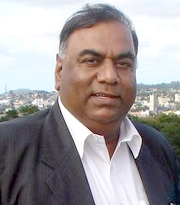
the Airports Authority of India (AAI)
The journey of Palam
By 1962, commercial operations had begun shifting 15 kilometres west to Palam Airport. Built on the land of Palam village, its story is equally significant. When civilian traffic outgrew Safdarjung, Palam stepped in with a capacity of about 1,300 passengers per hour. What started as a modest domestic terminal expanded with rising demand. In the late 1970s, a new terminal nearly four times larger was added. By 1979-80, Palam was handling three million passengers annually.
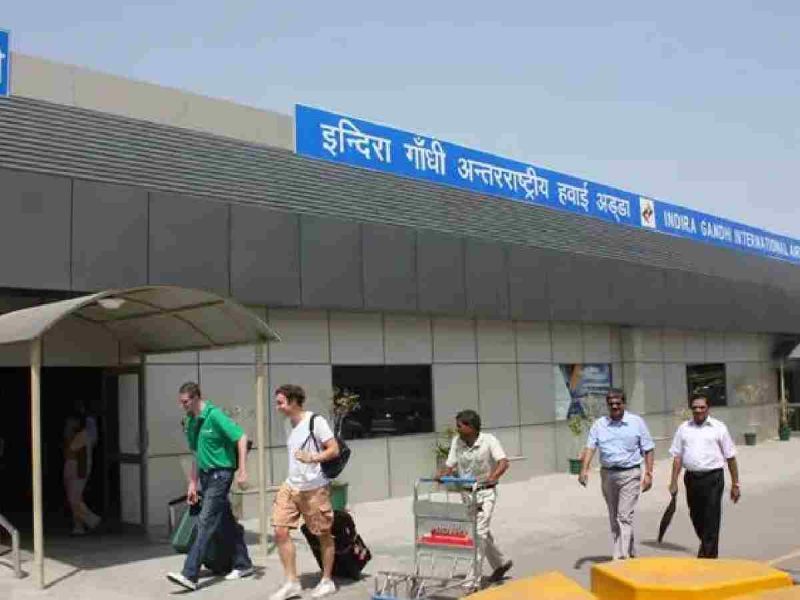
A major milestone came in 1986. On May 2 that year, Terminal 2 opened, dedicated to international traffic. In honour of former Prime Minister Indira Gandhi, the airport was renamed Indira Gandhi International Airport (IGIA). The turning point arrived in 2010, ahead of the Commonwealth Games, with the inauguration of Terminal 3 — a two-tier facility spread over 5.4 million square feet. This section was built on land acquired from villages such as Mahipalpur, Rangpuri, Nagal Dewat, Shahbad Mohammadpur, and Mehram Nagar.
The growth since has been significant. From 16.5 million passengers in 2006-07 to a record 79.2 million in 2024-25, IGI is now India’s busiest airport and among the busiest globally. It has four runways — the longest stretching 4,430 metres — capable of handling large aircraft such as the Airbus A380.
Significant expansion
And now comes Noida International Airport at Jewar. Slated to open for commercial operations shortly after its inauguration on March 28, 2026, the new facility will initially handle 12 million passengers a year in Phase 1, with plans to expand significantly. Low-cost carriers such as IndiGo are expected to begin operations, with Akasa Air and Air India Express also set to follow. Noida resident Prem Bhutani said the new airport would improve accessibility. “I would prefer to take my domestic and international flights from the Noida airport, as travelling to IGI is not easy,” he said.
Strategically located to serve east Delhi, Noida, Greater Noida, and surrounding regions, it is expected to improve connectivity, ease congestion at IGI, and support regional tourism and trade.
From Willingdon’s grassy fields to the terminals of IGI Airport, Delhi-NCR’s aviation journey reflects decades of expansion and planning. Each phase — Safdarjung’s early years, Palam’s expansion, and IGI’s rise — has shaped the capital’s aviation landscape. As Noida International Airport prepares to begin operations, it marks the next stage in this continuing story.