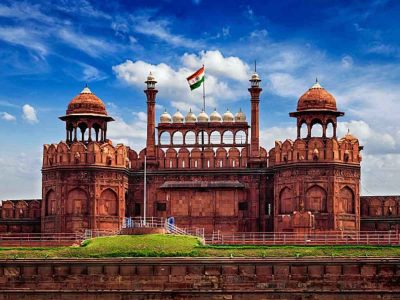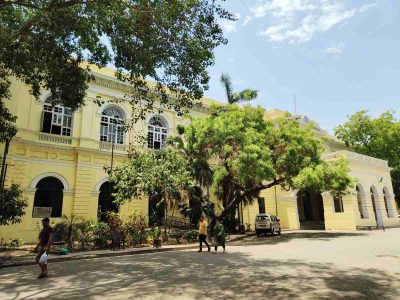

In the narrow, crowded lanes of Delhi-6, life moves at a brisk pace. E-rickshaws honk, vendors shout, and the aroma of spices fills the air. Yet, behind the noise and chaos, some families have remained rooted for hundreds of years. Their houses have been rebuilt many times — after heavy rains, after decades of wear, and as families grew larger. But the address has never changed. The same gali, the same mohalla, the same sense of home.
Their stories remind us that, in a city constantly evolving, some bonds remain unchanged.
320-year-old haveli
Muneeb Ahmed is a busy Supreme Court lawyer. Yet every evening, he returns to his ancestral ‘Sharif Manzil’ haveli in Ballimaran — the same place his family has called home for more than 320 years.
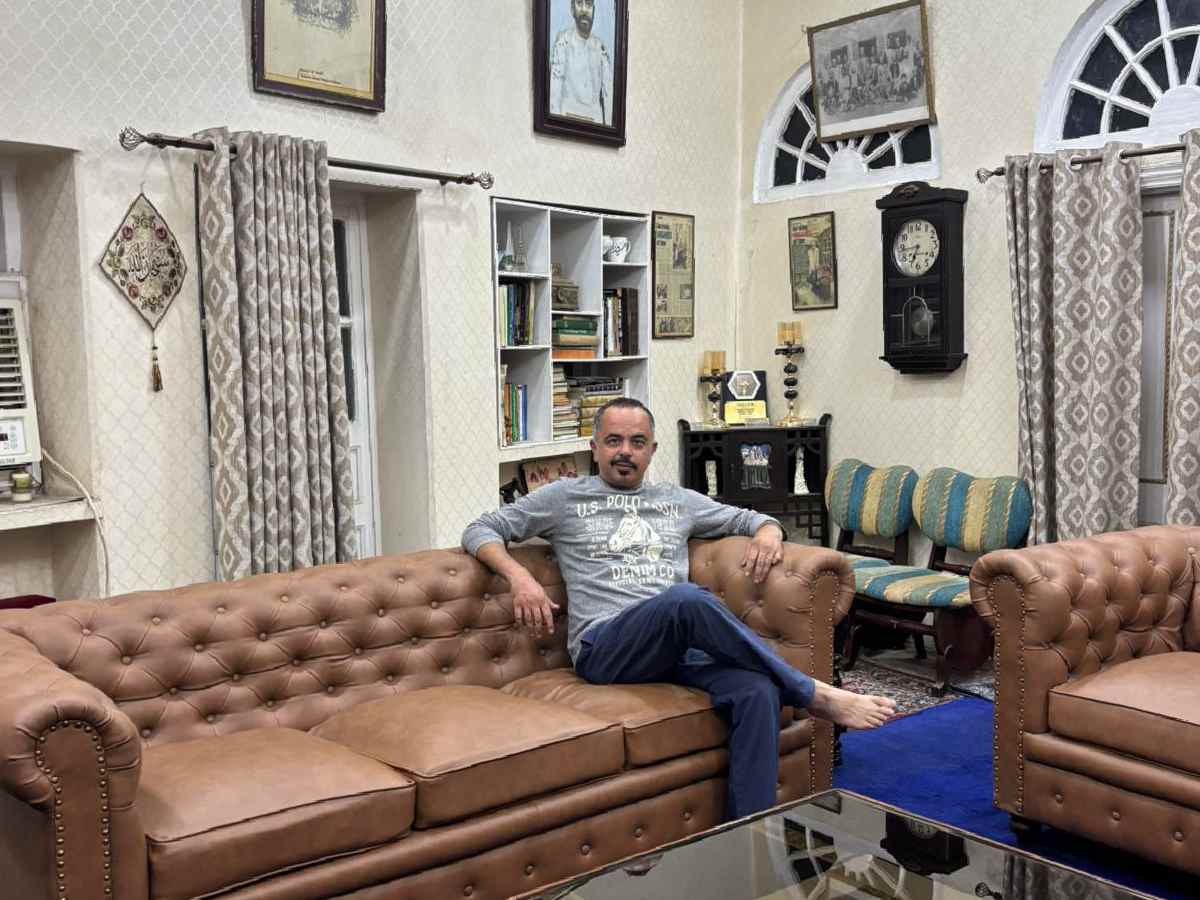
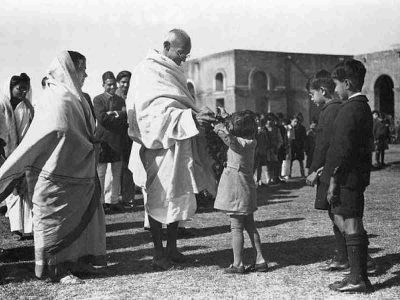
In 1915, Mahatma Gandhi made his maiden visit to Delhi. On 13 April, he met Hakim Ajmal Khan, a respected freedom fighter and renowned exponent of Unani medicine, in Sharif Manzil. Hakim Ajmal Khan was Muneeb’s great-great-grandfather. Muneeb’s family has lived here through wars, Partition, and constant change. “This is not just a house,” Muneeb says quietly. “It is our living history. My grandfather told me stories of his grandfather sitting in this very courtyard. When I walk these lanes, I feel I am walking with my ancestors.”
Old-world charm
Not far away, in Daryaganj, lives Lokesh Jain — a well-known theatre activist, poet, and playwright. For over 100 years, his family has lived in the same house. Lokesh uses theatre to tell stories of ordinary people. He loves the old-world charm of the mohalla, where neighbours still know one another. During festivals, the entire neighbourhood comes together in celebration.
Even though modern Delhi offers apartments with lifts and parks, Lokesh, his wife, and their historian daughter Pakhi have no desire to leave. “Here, I know who I am,” he explains. The address remains the same, but life inside the house has evolved with the times. Yet the soul of the home feels unchanged.
Daryaganj is now a bustling market area filled with bookshops and shops. When Lokesh’s family first arrived, it was very different. The house has witnessed many repairs — old sections were demolished and rebuilt, and new floors were added as the family grew. Still, the address never changed.
“My father, grandfather, and their elders all lived here,” Lokesh says with pride. His theatre work takes him across the city and beyond, but he always returns to Daryaganj. The lanes here are filled with memories. During festivals like Diwali or Eid, the family gathers in the same courtyard and remembers the old times.
Lokesh calls his house a living book — every wall has a story. “This place gives me my voice,” he says. “Without these roots, my plays would have no soul.”
Oldest habitation
In Mehrauli, perhaps Delhi’s oldest inhabited area, lives the family of social worker Rajinder Kumar. Their connection to this land goes back more than 450 years. Rajinder still resides in the same house where his ancestors lived for centuries. Mehrauli is special — it is home to the Qutub Minar and the Yogmaya Mandir, believed to be one of the oldest temples in Delhi. Kings and saints once walked these paths.
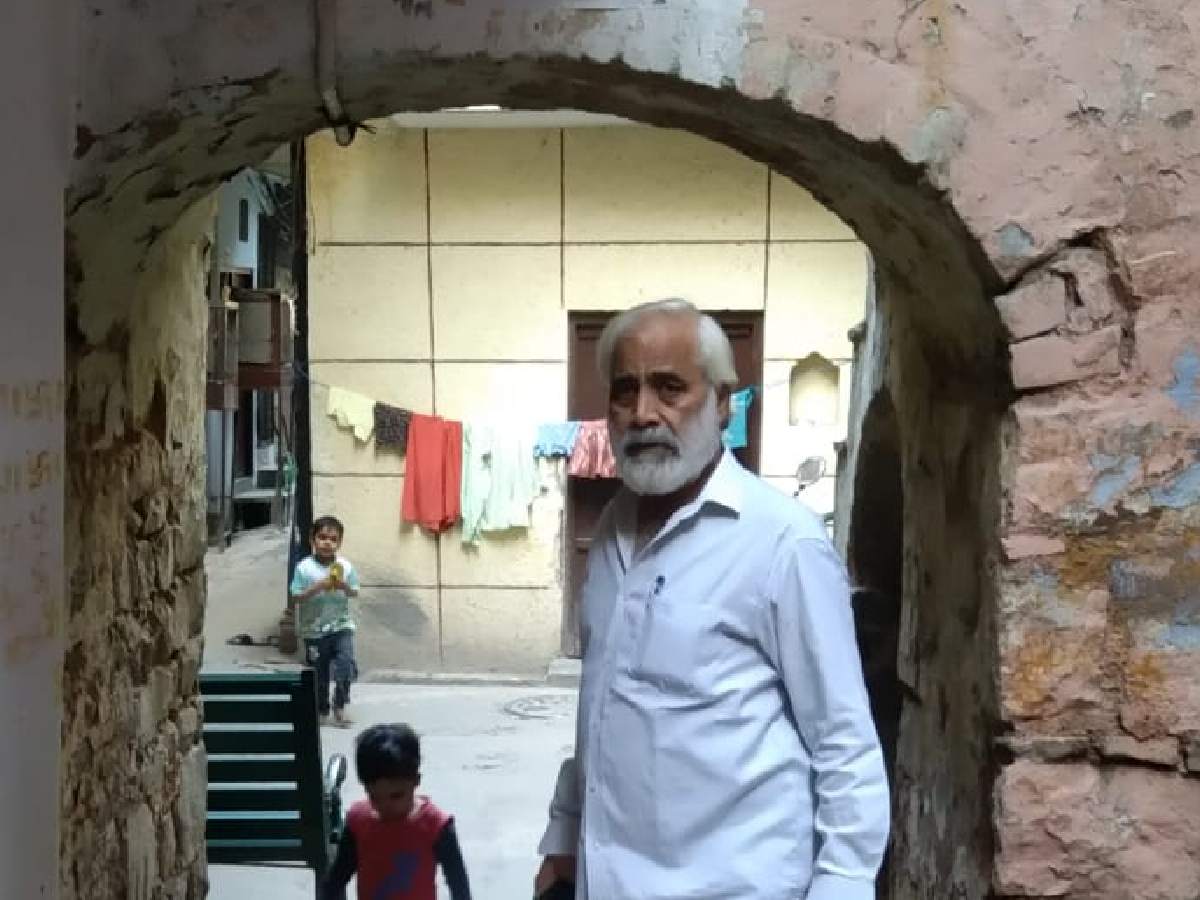
Rajinder’s family has witnessed Mughal rule, British times, Independence, and modern India. The house has been rebuilt many times — parts collapsed during heavy rains, walls were strengthened, and new rooms were added for growing children. But the address has remained exactly the same.
Rajinder walks the same paths his great-great-grandfathers once trod. “We are part of Mehrauli,” he says simply. “The soil here knows us.”
He could have moved to a newer colony with better roads and facilities. Many families did. But he chose to stay. “My ancestors built this life here. Leaving would feel like leaving them behind.” Though the house now has modern tiles and fans, its heart remains old — beating in rhythm with Mehrauli.
Businessman Rajesh Vachher’s story is equally compelling. His family has lived on Faiz Road in Karol Bagh for over 100 years. Around four years ago, he moved to Vasant Vihar. However, after just one year, he returned to his roots.
‘New place felt isolating’
“I could not live there,” he recalls. “It felt very isolating compared to my Karol Bagh. After a couple of months, I started missing my friends and family.” Feeling lonely in his new home, Rajesh decided to come back to Faiz Road. Now he is at peace. His children and grandchildren also understand the importance of staying rooted. During festivals, the entire family gathers in the same place. The house has been repaired and rebuilt several times. Walls have come down and gone up again. But the plot of land has remained the same.
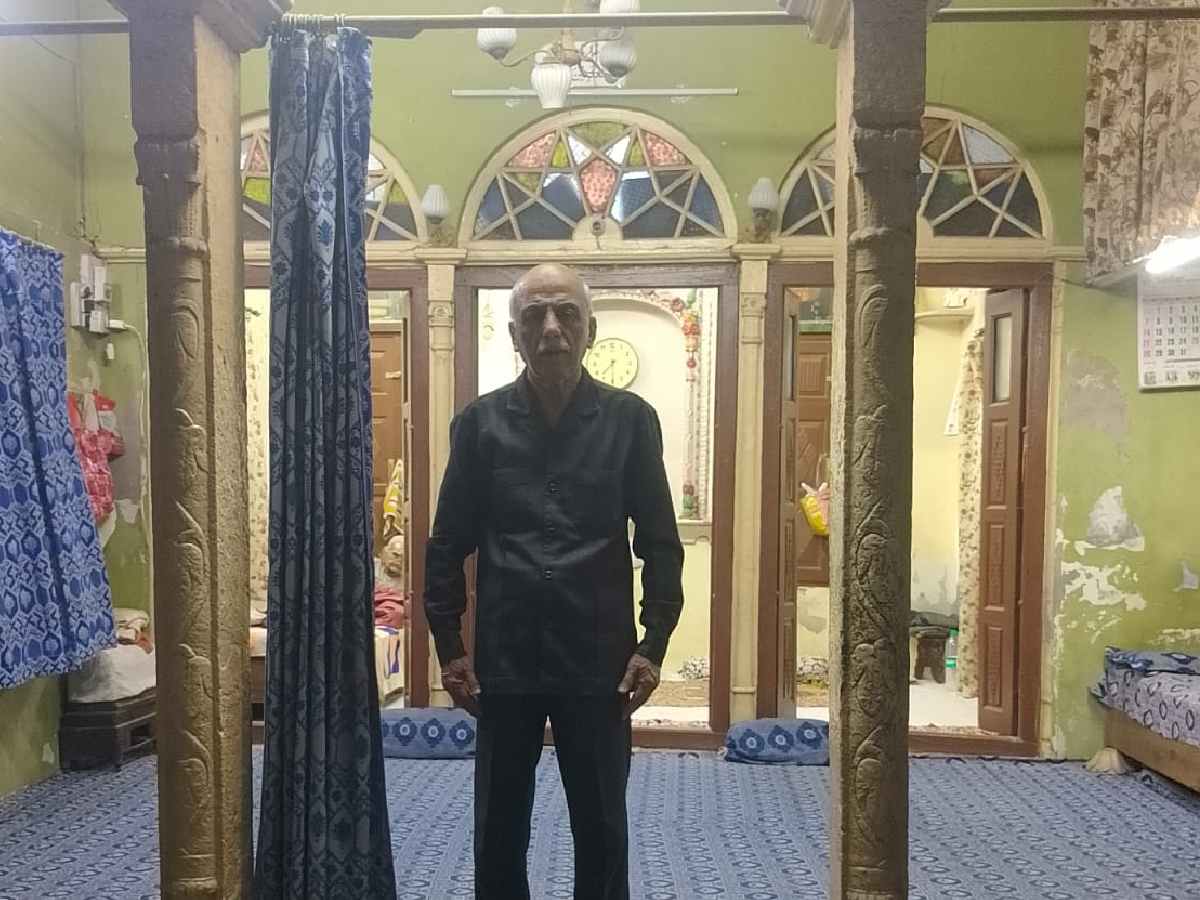
In Churiwalan, Sikander Mirza Changzi’s family has lived for over 250 years. A social worker and history enthusiast, Sikander collects old Mughal and British-era artefacts — books, coins, letters, and other items that tell the story of Delhi. Churiwalan is a narrow gali in the Walled City, lined with old havelis and buzzing with life.
Sikander’s family has survived the 1857 Revolt and many other historic upheavals. The house was damaged and rebuilt several times — new bricks replaced old ones, and the courtyard was repaired after storms. Yet the address never changed.
Sikander spends his days preserving the past. He shows visitors his collection and narrates tales of Old Delhi. “This is not just my home,” he says. “It is a small museum of our city.”
He could easily sell the house and move to a more comfortable locality, but he refuses. “The walls here have heard the voices of my forefathers. I cannot break that chain.”
Powerful bond
All these families share one powerful bond: a deep attachment to their ancestral homes. Life in these old areas is not easy. The lanes are narrow, parking is difficult, and modern amenities can be far away. Yet they choose to stay.
Because these houses are more than buildings — they are repositories of family memory, identity, and belonging.
While the city around them has transformed dramatically — bullock carts giving way to cars, and high-rises rising beside old mosques — these families have held firm. Many others moved out in search of comfort, but they rebuilt when necessary and never abandoned their address. Their children continue to learn the same values and hear the same stories.
In today’s fast-paced world, where people frequently move for jobs or better housing, these Delhites remind us of something precious: history matters. A sense of belonging matters.